
- 03 Nov 2026
Fixed vs Adjustable LED Inground Lights: Which Is Better?
Fixed vs Adjustable LED Inground Lights: Which Design Is Better for Architectural Uplighting?LED Inground lights
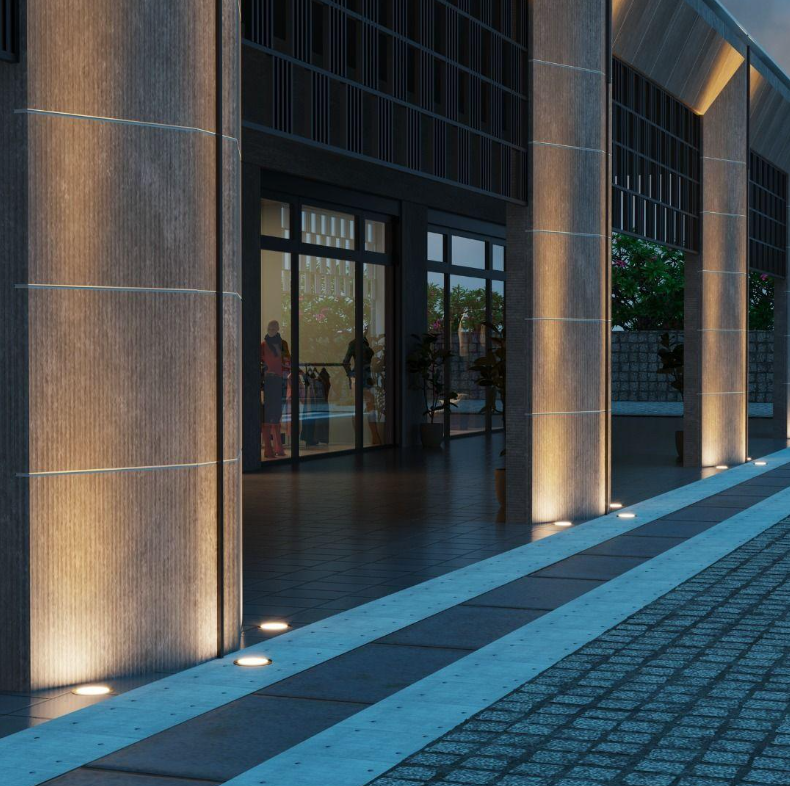
LED inground lights are widely used for illuminating building facades, columns, trees, hotel entrances, landscape features and outdoor architectural structures. However, choosing the right beam angle is only one part of a successful lighting design. Another important decision is whether to use fixed or adjustable LED inground lights.
Fixed LED inground lights provide a predetermined beam direction, while adjustable LED inground lights allow the light direction to be changed within a designed adjustment range. The right choice depends on the building structure, installation position, lighting target and future maintenance requirements.
For architectural lighting projects, understanding the difference between these two designs can help reduce installation errors, improve lighting effects and make future adjustments easier.
1. What Is the Difference Between Fixed and Adjustable LED Inground Lights?
The main difference is whether the light direction can be changed after the fixture has been installed.
Fixed LED Inground Lights
Fixed LED inground lights have a built-in optical direction. Once installed, the light beam follows the designed direction of the fixture.
They are commonly used for:
Straight building facades
Regular architectural columns
Symmetrical landscape layouts
Pathways and garden features
Projects with clearly defined lighting positions
Advantages of fixed LED inground lights:
Simple structural design
Stable and consistent beam direction
Fewer mechanical adjustment components
Suitable for repetitive and standardized installations
Easier to plan when the lighting target and fixture position are fixed
However, the beam direction usually cannot be changed simply by rotating the fixture head after installation. If the lighting target changes, repositioning or replacing the fixture may be necessary.
Adjustable LED Inground Lights
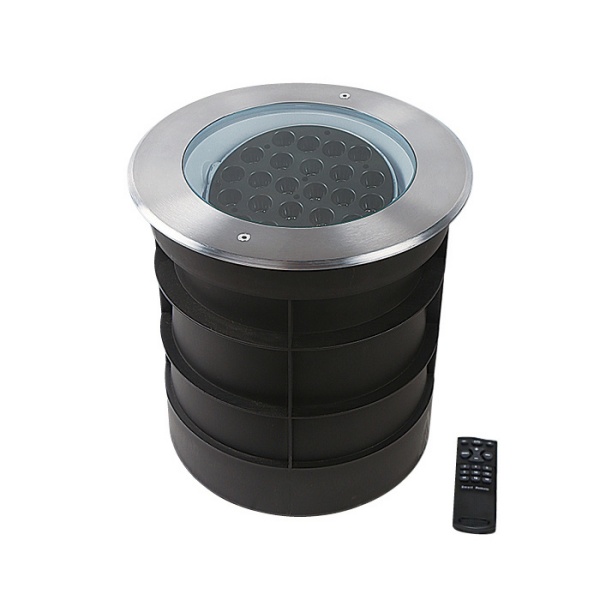
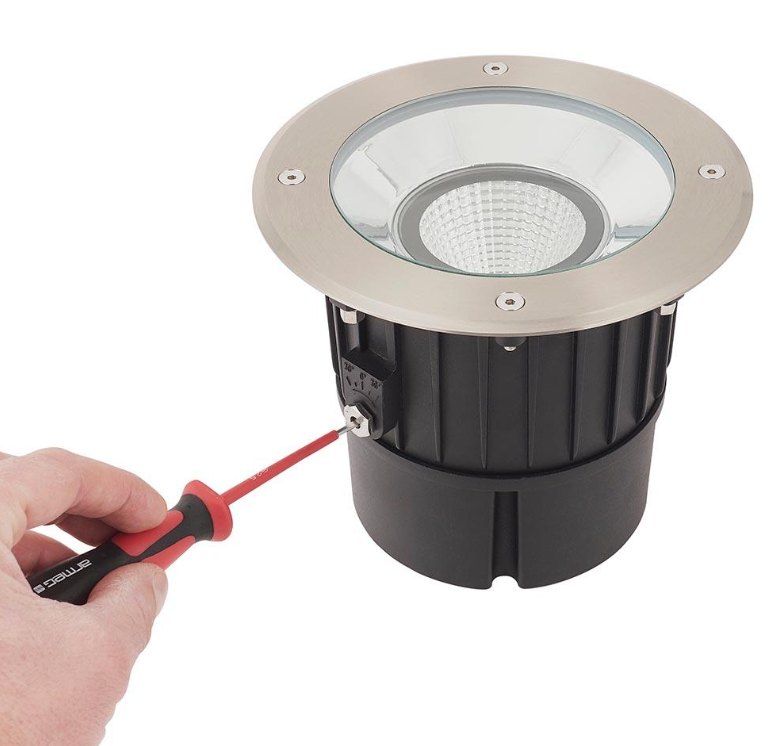
An adjustable LED inground light is designed with an internal or mechanical angle-adjustment structure. It allows installers to direct the beam toward a specific target within the manufacturer's specified adjustment range.
Depending on the product design, the light direction may be adjusted during installation or maintenance.
Typical applications include:
Irregular building facades
Architectural columns with different heights
Sculptures and landscape features
Hotel entrances and decorative structures
Projects where the fixture position is restricted
Lighting installations that may require future aiming adjustments
Advantages of adjustable LED inground lights:
More flexible beam direction
Better adaptation to different architectural structures
Easier correction of aiming errors
Greater flexibility when the installation position cannot be changed
Potentially easier future lighting adjustments, depending on fixture accessibility
However, adjustable structures may involve additional mechanical components. Buyers should check the adjustment mechanism, locking method, sealing design and maintenance procedure before selecting a model.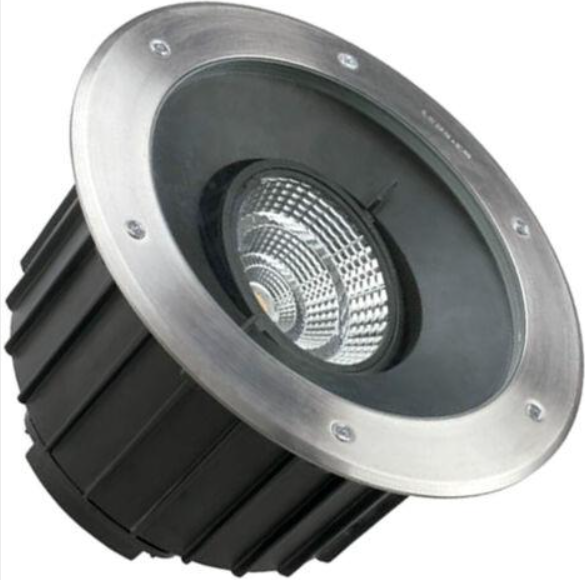
2. Fixed vs Adjustable LED Inground Lights: Key Differences
The following table summarizes the main differences for architectural uplighting projects.
| Comparison | Fixed LED Inground Light | Adjustable LED Inground Light |
|---|---|---|
| Beam direction | Predetermined | Can be adjusted within a specified range |
| Installation flexibility | Requires accurate positioning | More flexible aiming |
| Structural design | Usually simpler | Includes an adjustment mechanism |
| Suitable applications | Regular and symmetrical structures | Irregular or complex structures |
| Lighting correction | May require repositioning | Can allow aiming correction |
| Maintenance | Usually fewer moving components | Adjustment mechanism may need inspection |
| Project planning | Requires precise positioning | Allows more flexibility in aiming |
| Initial selection | Suitable for clearly defined layouts | Useful when aiming flexibility is important |
Important: Not every adjustable LED inground light can be adjusted after the installation is completed. Some models can only be aimed before final installation or after the fixture has been removed from its housing. Always confirm the actual adjustment method with the manufacturer.
3. Can You Adjust the Light Direction After Installation?
This is one of the most common questions from lighting contractors and project engineers.
The answer depends on the mechanical structure of the adjustable LED inground light.
There are generally three situations:
Type 1: Adjustment During Installation
Some adjustable inground lights allow the installer to set the beam direction before the fixture is finally fixed in position.
After installation, the direction remains locked.
This design is suitable for projects where the lighting direction can be confirmed during construction.
Type 2: Adjustment Through an Accessible Fixture Structure
Certain designs allow the optical assembly or adjustable head to be repositioned during later maintenance.
This can be useful when a building facade or landscape feature needs a lighting correction after the project has been completed.
However, the fixture may need to be opened or partially removed. The waterproof sealing must be restored correctly after any maintenance.
Type 3: Adjustment Requires Fixture Removal
Some products provide an adjustable internal structure, but the fixture must be lifted out of its underground housing before the angle can be changed.
This is still useful for projects that may require occasional adjustments, but it is not the same as adjusting the beam direction directly from the ground surface.
Before purchasing an adjustable LED inground light, ask the manufacturer these questions:
Can the beam direction be adjusted after installation?
Does adjustment require removing the fixture?
What is the actual adjustment angle?
Is there a locking mechanism to prevent movement?
Does opening the fixture affect its waterproof protection?
Can the adjustment be completed without damaging the cable connection or sealing structure?
These questions are especially important for outdoor projects where maintenance access may be limited.
Related Blog: How to Choose the Right Beam Angle for LED Inground Lights
4. How to Choose Between Fixed and Adjustable Inground Lights for Different Building Structures
Different architectural structures require different lighting approaches. The installation position and the distance between the fixture and the target should be considered together.
Building Facades
For long, flat building facades with regular dimensions, fixed LED inground lights can provide a consistent lighting direction when the layout is carefully designed.
For facades with recessed sections, decorative edges or different surface depths, adjustable models may offer more flexibility.
Architectural Columns
For regular columns, fixed inground lights can work well when the fixture is positioned correctly at the base.
For columns with different heights, widths or decorative shapes, adjustable fixtures can help direct light toward the intended surface.
Hotel Entrances
Hotel entrances often combine columns, walls, canopies and decorative architectural elements.
Adjustable LED inground lights can help contractors aim the light toward different structural features, especially when underground installation positions are restricted.
Fixed models are also suitable when the lighting layout is standardized and the beam direction is confirmed in advance.
Trees and Landscape Features
For trees with irregular trunks or changing canopy shapes, adjustable inground lights can provide additional aiming flexibility.
For repetitive landscape layouts, fixed models may be more efficient when the target position and lighting effect are predictable.
Bridges and Decorative Structures
Bridges and architectural structures may have different surfaces, heights and installation constraints.
Adjustable fixtures can help address complex aiming requirements, but the mounting structure, drainage, access and maintenance conditions must also be considered.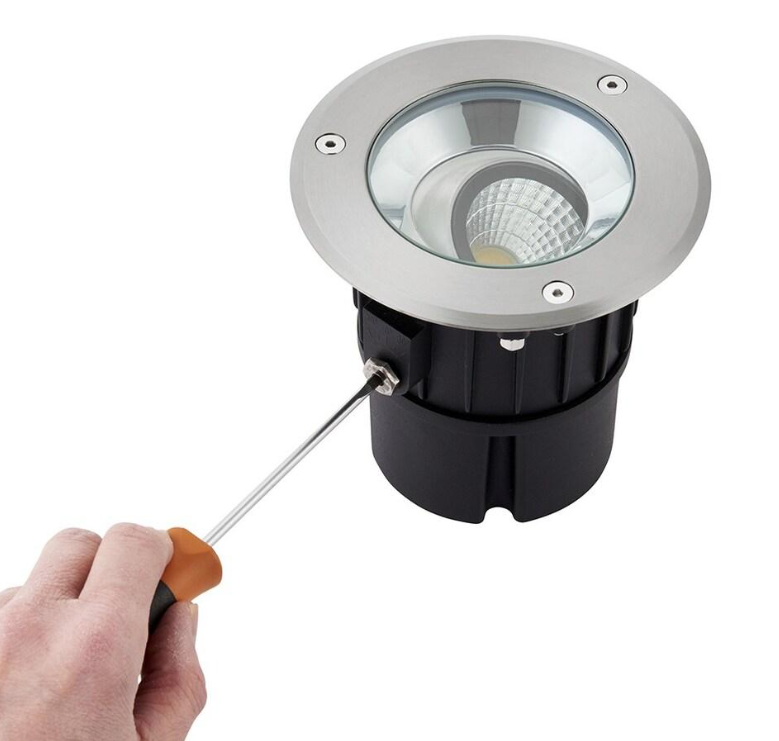
5. Installation Position: Why It Matters More Than You Think
Even an adjustable LED inground light cannot compensate for every incorrect installation position.
If the fixture is installed too far from the target, the beam may spread beyond the intended area. If it is installed too close, the illuminated surface may have excessive brightness near the bottom.
Before installation, contractors should evaluate:
1. Distance from the fixture to the target
Measure the distance between the inground light and the wall, column or landscape feature. This helps determine the appropriate beam direction and optical design.
2. Target height and surface shape
A tall column, recessed wall and decorative facade have different lighting requirements. The fixture position and aiming direction should be designed accordingly.
3. Underground installation conditions
Check the available installation depth, drainage, cable routing and structural clearance. Do not choose an adjustable fixture without confirming that its adjustment mechanism fits the available space.
4. Future access
Consider whether the fixture can be safely accessed for inspection and maintenance. A fixture that requires removal for adjustment should not be installed in a way that makes removal unnecessarily difficult.
5. Photometric data
Review the manufacturer's IES or LDT files where available. These files help lighting designers evaluate beam distribution and simulate the lighting effect before installation.
Ralated Blog: How to Calculate LED Inground Light Spacing for Landscape Projects
6. Maintenance Considerations: Fixed vs Adjustable LED Inground Lights
Maintenance is particularly important for outdoor inground lighting because fixtures are exposed to rain, dust, ground moisture, temperature changes and possible physical impact.
Fixed models generally have fewer adjustment components. Their maintenance usually focuses on the housing, lens, sealing components, cable connections and electrical performance.
Adjustable models require additional attention to the mechanical adjustment structure.
During inspection, contractors should check:
Whether the adjustable assembly remains securely locked
Whether the beam direction has shifted
Whether adjustment components show signs of wear or corrosion
Whether the lens and sealing components remain intact
Whether cable connections are protected from moisture
Whether the fixture can be removed and reinstalled correctly
An adjustable structure does not automatically mean easier maintenance. The actual maintenance process depends on the fixture design and installation method.
For underground fixtures, any opening or removal should follow the manufacturer's maintenance instructions. Power must be isolated before electrical inspection, and waterproof sealing must be correctly restored before the fixture is returned to service.
7. Which LED Inground Light Should You Choose?
There is no universal answer. The best design depends on the project requirements.
| Project Requirement | Recommended Design |
|---|---|
| Regular building facade | Fixed LED Inground Light |
| Symmetrical column lighting | Fixed LED Inground Light |
| Irregular architectural facade | Adjustable LED Inground Light |
| Different column heights | Adjustable LED Inground Light |
| Flexible landscape uplighting | Adjustable LED Inground Light |
| Standardized large-scale layout | Fixed LED Inground Light |
| Installation position is restricted | Adjustable LED Inground Light |
| Future aiming correction may be required | Adjustable LED Inground Light, if post-installation adjustment is supported |
For lighting contractors and project buyers, the most important step is to confirm whether the fixture's actual adjustment range and maintenance method match the project requirements.
A fixed fixture is often a practical choice when the lighting position and direction are already known. An adjustable fixture is more suitable when the target is complex or additional aiming flexibility is required.
Related Blog:Why Do LED Inground Lights Create Uneven Lighting on Walls and Trees?
8. What Should You Check Before Buying an Adjustable LED Inground Light?
Before selecting an adjustable LED inground light for an architectural project, consider the following checklist:
Adjustment range: Confirm the actual angle range rather than assuming every model has the same adjustment capability.
Adjustment method: Check whether adjustment is possible during installation, after installation or only after fixture removal.
Locking structure: Make sure the aiming direction can remain stable after adjustment.
Optical performance: Confirm beam angle, light distribution and available IES/LDT photometric files.
Waterproof protection: Check the sealing structure and whether maintenance affects the specified ingress protection.
Housing material: Evaluate corrosion resistance and mechanical durability according to the installation environment.
Installation dimensions: Confirm fixture diameter, depth, mounting sleeve and underground clearance.
Maintenance access: Understand how the fixture can be inspected, adjusted and replaced.
For large-scale projects, it is advisable to confirm the fixture structure and lighting direction with the manufacturer before mass installation. A sample installation or mock-up can help verify the actual lighting effect.
Related BlogWhy Do LED Inground Lights Fail After Heavy Rain?
9. Fixed or Adjustable LED Inground Lights for Your Next Project?
Choosing between fixed and adjustable LED inground lights is not simply a matter of choosing a more flexible product.
Fixed models are suitable for predictable lighting layouts and regular architectural structures. Adjustable models offer greater aiming flexibility for complex surfaces, restricted installation positions and projects that may require lighting corrections.
The most suitable solution should consider the architectural structure, beam direction, installation depth, drainage, maintenance access and actual optical performance.
At Always Lighting, we provide outdoor LED lighting solutions for architectural and landscape applications. If you are planning a building facade, hotel entrance, bridge or landscape lighting project, share your project drawings, target dimensions and lighting requirements with our team.
We can help evaluate the suitable LED inground light design for your application
Contact UsAlways Lighting to discuss your LED inground lighting project.
Frequently Asked Questions
1. What is the difference between fixed and adjustable LED inground lights?
Fixed LED inground lights have a predetermined beam direction, while adjustable LED inground lights allow the beam direction to be changed within a specified adjustment range.
2. Can adjustable LED inground lights be adjusted after installation?
It depends on the product structure. Some models can be adjusted through an accessible mechanism, while others require the fixture to be removed or opened before adjustment. Always confirm the maintenance method with the manufacturer.
3. Are adjustable LED inground lights better for building facades?
They can be more suitable for complex facades with recessed areas, different surface depths or restricted installation positions. Fixed models are also effective for regular facades with a well-planned lighting layout.
4. Do adjustable LED inground lights have more maintenance requirements?
They may require additional inspection of the adjustment mechanism and locking structure. However, actual maintenance requirements depend on the product design, materials and installation conditions.
5. Can fixed LED inground lights illuminate architectural columns?
Yes. Fixed LED inground lights are suitable for architectural columns when the beam angle, fixture position and lighting direction are properly designed.
6. What should I check before buying an adjustable LED inground light?
Check the adjustment range, adjustment method, locking structure, beam angle, waterproof protection, installation dimensions and maintenance access.
7. Which is better for landscape lighting: fixed or adjustable inground lights?
Fixed models are suitable for regular and repetitive landscape layouts. Adjustable models are useful for trees, sculptures and irregular landscape features where flexible aiming is needed.
8. Does an adjustable LED inground light allow 360-degree rotation?
Not necessarily. The adjustment range varies by product design. Buyers should request the manufacturer's technical drawing and confirm the actual adjustment angle before ordering.