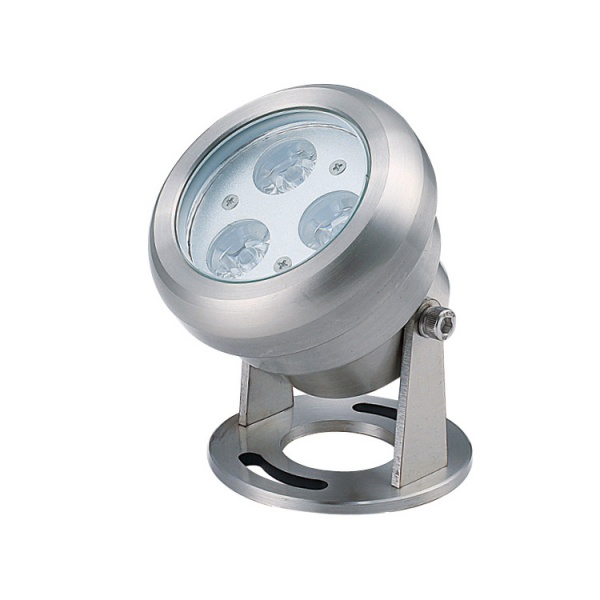

- 02 Nov 2026
Warm White vs RGB vs RGBW LED Inground Lights: Which Is Best?
Warm White vs RGB vs RGBW LED Inground Lights: Which Is Best for Landscape Lighting?
Choosing the right light color is an important part of designing outdoor landscape and architectural lighting. For LED inground lights, the choice between warm white, neutral white, RGB and RGBW affects not only the appearance of a project but also its atmosphere, visual comfort and lighting flexibility.
For example, warm white LED inground lights can create a welcoming atmosphere around hotel entrances and garden pathways. Neutral white is often used for modern architecture and commercial landscapes. RGB lighting allows dynamic color effects, while RGBW combines RGB color mixing with a dedicated white light channel.
So, which should you choose for your project?
The best option depends on the application: 2700K and 3000K are suitable for warm, welcoming landscapes; 4000K works well for many modern architectural and commercial environments; RGB provides dynamic color effects; and RGBW offers both colorful lighting and a dedicated white light option.
This guide compares warm white, RGB and RGBW LED inground lights and explains how to select the right lighting solution for hotels, buildings, gardens, parks and commercial plazas.
1. Warm White vs RGB vs RGBW LED Inground Lights: What Is the Difference?
Before selecting a product, it is important to understand the difference between correlated color temperature (CCT) and color-changing lighting.
Warm White LED Inground Lights
Warm white lighting typically refers to color temperatures around 2700K–3000K.
It produces a soft, warm appearance and is often used to create a comfortable and welcoming outdoor environment.
Common applications include:
Hotel entrances and courtyards.
Garden and pathway lighting.
Trees and landscape features.
Residential outdoor spaces.
Historic buildings and traditional architecture.
Neutral White LED Inground Lights
Neutral white lighting around 4000K provides a more balanced appearance between warm and cool white.
It is commonly selected for modern architectural projects, commercial landscapes and public spaces where a clean, natural-looking appearance is desired.
Common applications include:
Modern building facades.
Commercial plazas.
Office buildings.
Contemporary landscape design.
Public architectural environments.
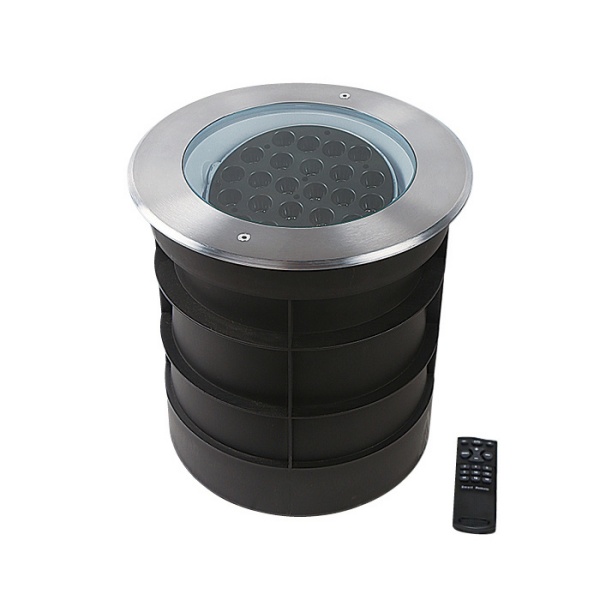
RGB LED Inground LightsRGB LED Inground Light
RGB stands for Red, Green and Blue.
An RGB LED inground light combines red, green and blue LED channels to create different colors through color mixing.
It can produce dynamic lighting effects for special events, entertainment areas and architectural lighting projects.
Common applications include:
Building facade color effects.
Bridges and landmark structures.
Commercial plazas.
Theme parks and entertainment areas.
Seasonal and event lighting.
RGBW LED Inground Lights
RGBW combines Red, Green, Blue and a dedicated White LED channel.
Unlike standard RGB lighting, RGBW can produce white light through a separate white channel rather than relying only on mixing red, green and blue.
Depending on the product design, RGBW may offer a more practical white-light option alongside dynamic color effects.
Common applications include:
Hotel and resort landscapes.
Commercial buildings.
Architectural facades.
Bridges and public landmarks.
Projects requiring both daily white lighting and event color effects.
2. 2700K vs 3000K vs 4000K: Which White Color Temperature Should You Choose?
For projects using white LED inground lights, color temperature is one of the most important selection factors.
| Color Temperature | Appearance | Typical Applications | Lighting Effect |
|---|---|---|---|
| 2700K | Warm yellowish white | Hotels, gardens, historic buildings | Relaxing and intimate |
| 3000K | Warm white | Resorts, villas, trees, pathways | Comfortable and welcoming |
| 4000K | Neutral white | Modern buildings, commercial plazas, offices | Clean and balanced |
2.1 2700K Warm White: For Traditional and Relaxing Environments
2700K produces a warm, slightly golden appearance.
It is suitable for projects where lighting needs to complement warm materials such as natural stone, brick, wood and traditional architectural details.
Recommended applications:
Hotel gardens and courtyards.
Historic buildings.
Residential landscapes.
Stone walls and decorative columns.
Outdoor dining and relaxation areas.
For hospitality projects, 2700K can help create a softer and more intimate atmosphere.
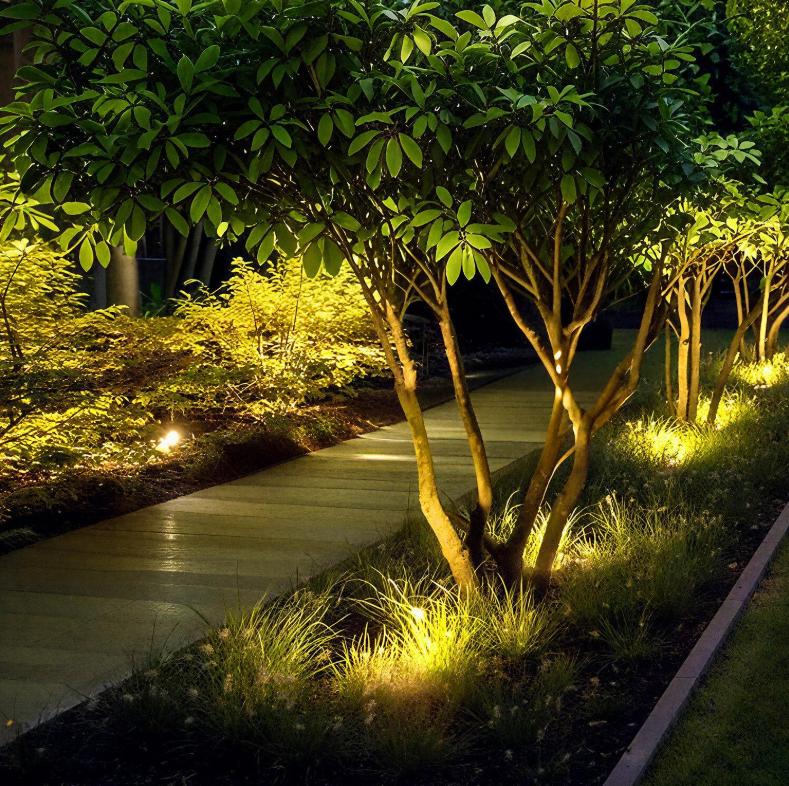
2.2 3000K Warm White: A Versatile Choice for Landscape Lighting
3000K is a popular option for outdoor landscape lighting because it offers a warm appearance while maintaining good visual clarity.
It can work well with trees, plants, stone surfaces and many hotel landscape designs.
Recommended applications:
Hotel entrances.
Resort landscapes.
Garden trees and shrubs.
Villa pathways.
Landscape walls and columns.
For projects where a comfortable atmosphere is important without making the lighting look excessively yellow, 3000K is worth considering.
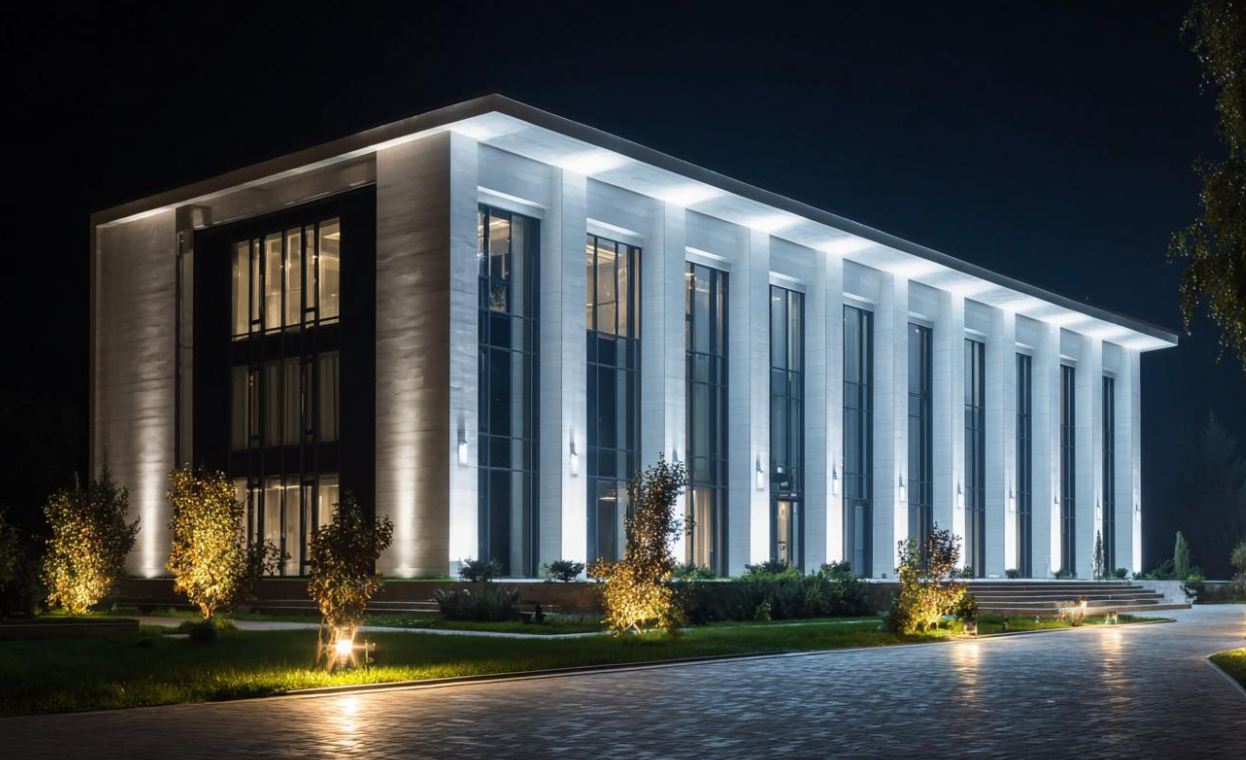
2.3 4000K Neutral White: For Modern Architecture and Commercial Spaces
4000K produces a cleaner, more neutral white appearance.
It is often selected for modern buildings and commercial environments where the lighting should highlight architectural details without creating an overly warm visual effect.
Recommended applications:
Modern building facades.
Office buildings.
Commercial plazas.
Contemporary landscape features.
Public architectural projects.
When lighting concrete, metal, glass or modern stone surfaces, 4000K may provide the desired appearance, but the final result should be checked against the material color and project design.
3. RGB LED Inground Lights: When Should You Choose Color-Changing Lighting?
RGB LED inground lights are designed for projects that require multiple colors and dynamic lighting effects.
By controlling the red, green and blue channels, the fixture can create different colors for architectural decoration and special occasions.
Main Advantages of RGB LED Inground Lights
1. Multiple color options
RGB lighting can create a wide range of colors for different visual effects.
2. Dynamic lighting scenes
Depending on the controller and fixture, RGB lights can support static colors, color changes, fades and other programmed effects.
3. Suitable for landmark and decorative projects
RGB lighting can help buildings, bridges and public spaces create a distinctive appearance at night.
Typical RGB Applications
Bridge landscape lighting.
Building facade decoration.
Theme parks.
Commercial plazas.
Event and festival lighting.
Landmark architectural structures.
What Should Project Buyers Consider?
RGB lighting requires compatible control equipment and suitable wiring design.
Before purchasing, confirm:
Control protocol and controller compatibility.
Required lighting effects.
Number of fixtures and control zones.
Power supply and cable requirements.
Synchronization requirements.
Installation and commissioning support.
For projects requiring DMX512 control, confirm that the LED inground light, decoder or driver and controller are compatible with the same system.
RGB is suitable when the main purpose is colorful decorative lighting. If the project also requires attractive white lighting for everyday use, RGBW may be a better option.
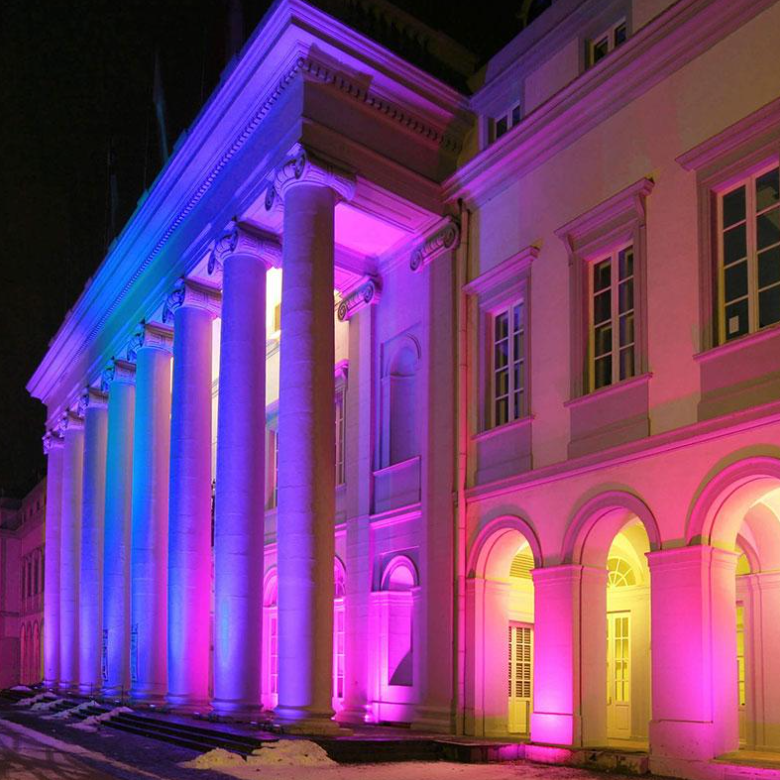
4. RGBW LED Inground Lights: Why Choose RGBW Instead of RGB?
RGBW LED inground lights combine RGB color-changing functions with a dedicated white LED channel.
This makes them suitable for projects that need both decorative colors and regular white illumination.
Main Advantages of RGBW LED Inground Lights
1. Dedicated white light channel
RGBW fixtures include a separate white LED channel, allowing the product to provide white illumination without relying only on RGB color mixing.
2. More flexible lighting scenes
A project can use white light for normal operation and switch to colored lighting for special events or holidays.
3. Suitable for multi-purpose outdoor spaces
Hotels, commercial buildings and public landscapes may need different lighting scenes throughout the year.
Typical RGBW Applications
Hotel and resort facades.
Commercial plazas.
Bridges and landmark buildings.
Public landscape areas.
Architectural structures.
Projects requiring both white and color-changing effects.
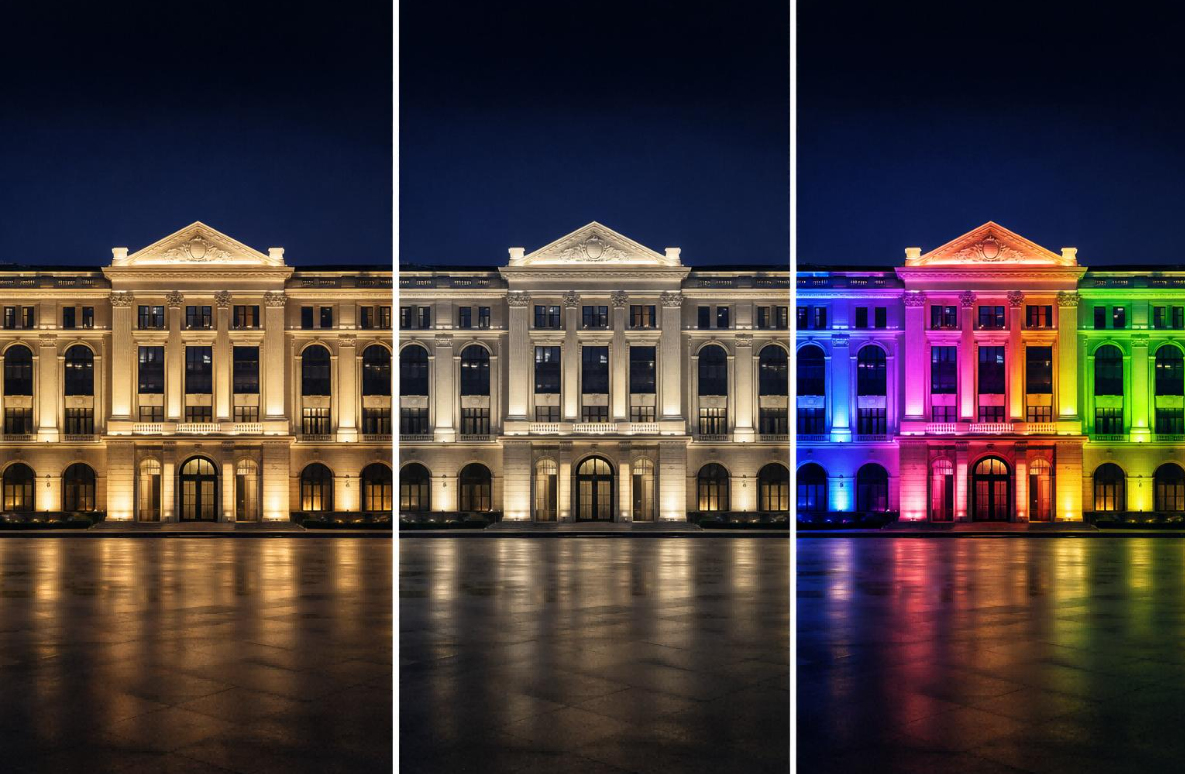
RGB vs RGBW: Key Differences
| Comparison | RGB LED Inground Light | RGBW LED Inground Light |
|---|---|---|
| LED channels | Red, Green, Blue | Red, Green, Blue, White |
| Color-changing effects | Yes | Yes |
| Dedicated white channel | No | Yes |
| White-light applications | Uses RGB mixing | Uses dedicated white channel |
| Typical use | Decorative color lighting | White lighting and decorative color effects |
| Control requirements | Compatible RGB control | Compatible RGBW control |
One important point: RGBW does not automatically guarantee better white-light quality. Buyers should confirm the white channel's CCT, CRI, lumen output and optical performance.
If the project requires a specific white color such as 3000K or 4000K, ask the manufacturer to confirm the actual specification of the white channel.
5. Which LED Inground Light Color Is Best for Different Outdoor Projects?
The following table provides a practical starting point for selecting the light color.LED inground light beam distribution
| Project Type | Recommended Option | Why |
|---|---|---|
| Hotel entrance | 2700K or 3000K | Creates a welcoming atmosphere |
| Resort garden | 2700K or 3000K | Complements plants and natural materials |
| Modern office building | 4000K | Provides a clean architectural appearance |
| Historic building | 2700K or 3000K | Preserves a warm visual character |
| Commercial plaza | 3000K, 4000K or RGBW | Depends on daily and event lighting needs |
| Bridge lighting | RGB or RGBW | Supports decorative color effects |
| Trees and landscape features | 2700K or 3000K | Creates a natural and comfortable appearance |
| Landmark facade | RGB or RGBW | Supports dynamic architectural lighting |
| Public event space | RGB or RGBW | Provides flexible lighting scenes |
These are general design recommendations, not fixed rules. The final choice should consider the building material, surrounding lighting, visual objectives and local project requirements.
6. How to Choose Between Single-Color, RGB and RGBW for a Landscape Project
The decision becomes easier when you consider how the project will actually operate.
Choose Single-Color White Lighting If:
The project needs consistent everyday illumination.
The lighting design focuses on architecture and landscape textures.
The client does not require color-changing effects.
Simple control and maintenance are priorities.
For these projects, select 2700K, 3000K or 4000K according to the desired visual atmosphere.
Choose RGB If:
The project needs dynamic color effects.
The main purpose is architectural decoration.
The lighting design includes programmed color scenes.
The project uses a compatible RGB control system.
Choose RGBW If:
The project needs both white and colored lighting.
The venue operates in different modes throughout the year.
White light is required for regular daily use.
Color effects are needed for festivals, events or special occasions.
For hotels and commercial plazas, RGBW can be particularly useful when the client wants one lighting system to support different visual scenes.
7. What Should Buyers Check Before Ordering RGB or RGBW LED Inground Lights?
Color selection is only one part of a successful outdoor lighting project. Buyers should also confirm the electrical and control specifications.
7.1 Confirm the Control System
Check whether the project requires:
Static color control.
RGB or RGBW controller operation.
DMX512 control.
Independent fixture addressing.
Synchronized lighting effects.
Do not assume that every RGB or RGBW fixture supports DMX512. Confirm the exact control method with the manufacturer.
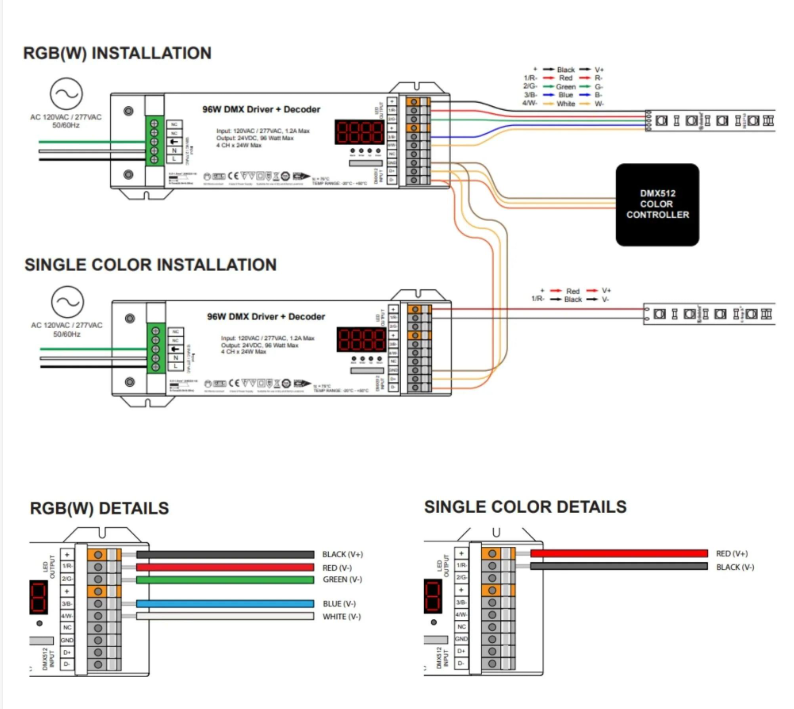
7.2 Confirm the Power Supply and Voltage
Check the required input voltage, power consumption, power supply arrangement and cable length.
For larger projects, calculate the electrical load and divide the lighting into suitable circuits and control zones.
7.3 Confirm the White Channel Specifications
For RGBW fixtures, ask for:
White channel CCT.
White channel lumen output.
CRI.
Total fixture power.
Available color and dimming functions.
This is important because the white channel is often used for regular daily illumination.
7.4 Check Optical PerformanceLED inground light beam angle
Color and beam angle should be considered together.
For example:
Narrow beams can highlight columns and architectural details.
Medium beams can illuminate trees and landscape features.
Wider beams can cover larger ground or wall areas.
The final beam selection should be based on the fixture photometric data and project layout.
8. Frequently Asked Questions About RGB and White LED Inground Lights
Q1: Which color temperature is best for LED inground lights?
2700K and 3000K are commonly used for warm landscape and hospitality lighting, while 4000K is often selected for modern architecture and commercial spaces. The best choice depends on the desired visual effect and surrounding materials.
Q2: Is 3000K or 4000K better for hotel landscape lighting?
3000K is often suitable for creating a warm and welcoming hotel atmosphere. 4000K may be preferred for modern architectural features or areas requiring a cleaner white appearance. Some projects use both in different zones.
Q3: What is the difference between RGB and RGBW LED inground lights?
RGB uses red, green and blue channels to produce different colors. RGBW adds a dedicated white channel, making it more suitable for projects that require both color-changing effects and regular white illumination.
Q4: Can RGB LED inground lights produce white light?
RGB fixtures can produce a white-like color by mixing red, green and blue. However, the result may differ from a dedicated white LED channel in terms of color quality and appearance.
Q5: Are RGBW LED inground lights suitable for building facade lighting?
Yes. RGBW can be used for architectural facades when the project requires both normal white lighting and dynamic color effects. The fixture's optical design, power and control compatibility should be checked.
Q6: Can RGBW LED inground lights work with DMX512?
Some RGBW fixtures support DMX512 control, but not all models do. Confirm the control protocol, channel configuration, decoder and controller compatibility before ordering.
Q7: Should I choose RGB or RGBW for a hotel landscape project?
If the project only requires decorative color effects, RGB may be sufficient. If the hotel needs white lighting for everyday operation and colored scenes for events, RGBW offers greater flexibility.
Conclusion: Select the Right Light Color for the Project's Purpose
Warm white, neutral white, RGB and RGBW LED inground lights each serve different outdoor lighting purposes.
2700K: Suitable for traditional architecture and relaxing landscape environments.
3000K: A versatile option for hotels, gardens, resorts and landscape features.
4000K: Suitable for modern buildings and commercial environments.
RGB: Designed for dynamic color-changing decorative lighting.
RGBW: Combines color effects with a dedicated white light channel.
For landscape and architectural projects, the best lighting solution is not simply the one with the most colors. It is the one that matches the building materials, project atmosphere, control requirements and long-term operating needs.
Looking for RGB or RGBW LED inground lights for your outdoor project? Contact our lighting team Always Lighting to discuss color temperature, beam angle, control options and product specifications.