
- 15 Jun 2026
Retail Display Lighting Solutions | LED Cabinet Lights
Retail Display Lighting Solutions for Commercial Displays
Retail display lighting plays an important role in how products are presented in stores, showrooms and commercial display cabinets. The right LED lighting can improve product visibility, highlight important details, create visual contrast and support a consistent retail environment.
Always Lighting provides LED retail display lighting solutions for jewelry showcases, watch cabinets, cosmetic displays, retail shelving and other commercial display applications. Our product range includes LED cabinet spotlights, mini recessed spotlights, LED cabinet linear lights and LED showcase gantry lights for different display structures.
For retailers, display cabinet manufacturers, lighting distributors and retail fit-out contractors, choosing the right lighting involves more than selecting a wattage. Cabinet dimensions, mounting space, beam angle, color temperature, color rendering and electrical requirements all influence the final result.
This guide explains how to select LED retail display lighting, compare different fixture types and identify suitable lighting options for commercial projects.
What Is Retail Display Lighting?
Retail display lighting refers to lighting designed to illuminate merchandise in retail stores, display cabinets, glass showcases, shelves and commercial showrooms.
Unlike general ambient lighting, display lighting focuses on making selected products easier to see while creating a clear visual hierarchy within the retail space.
Common retail display lighting products include:
LED cabinet spotlights: Used to highlight selected products or specific areas inside display cabinets.
Mini recessed LED spotlights: Compact fixtures for showcases with suitable mounting depth and cutout dimensions.
LED cabinet linear lights: Used to provide more continuous illumination along shelves, cabinet edges and display structures.
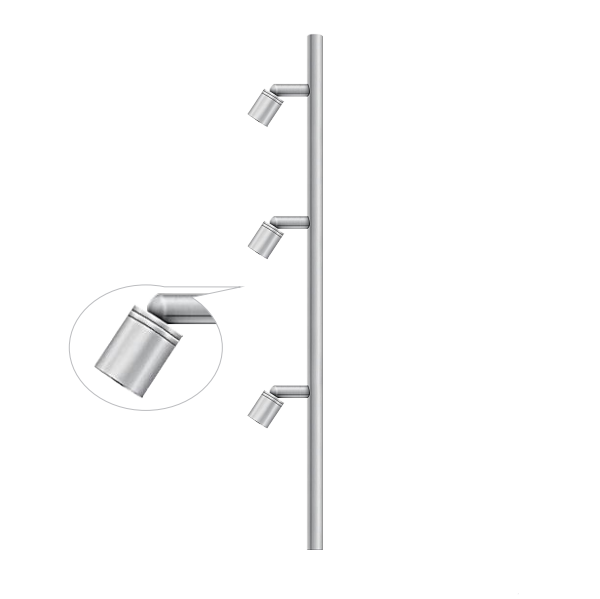
Adjustable LED spotlights: Suitable for applications that require directional lighting, where the fixture supports adjustment.
LED showcase gantry lights: Lighting systems designed to integrate with the supporting structure of compatible display cabinets.
The best lighting arrangement depends on the merchandise, cabinet design, available installation space and desired visual effect.
For many retail projects, a combination of accent lighting and general illumination is more effective than relying on one lighting type alone.
LED Retail Display Lighting for Different Applications
Different products and retail environments require different lighting arrangements. Always Lighting's LED cabinet lighting range can be evaluated for the following applications, subject to the requirements of each project.
1. Jewelry Store and Jewelry Showcase LightingLED jewelry showcase lighting
Jewelry showcases often display rings, necklaces, earrings, bracelets and other small items that benefit from carefully positioned accent lighting.
LED mini spotlights can be considered when individual pieces need focused illumination. LED cabinet linear lights may be suitable for longer display counters or shelves where more continuous lighting is required.
When selecting jewelry display lighting, consider:
The size and depth of the display cabinet.
The position of jewelry within the showcase.
The required beam angle and lighting distribution.
Color temperature and color rendering.
Reflections from glass and polished surfaces.
Available mounting space and wiring arrangements.
For jewelry showcase manufacturers, confirming these details during cabinet design can help reduce installation problems during production.
2. Gold Shop Display Lighting
Gold shops frequently use glass display counters to present rings, necklaces, bracelets and other gold jewelry.
The lighting should make the merchandise clearly visible while maintaining a suitable appearance across multiple display cabinets.
Warm white lighting, such as 3000K, may complement some gold displays, while neutral white lighting, such as 4000K, provides a different visual appearance. The best choice depends on the gold finish, store interior, surrounding lighting and customer preferences.
Before selecting lighting for a large project, test samples with the actual merchandise and cabinet materials.
For multi-counter installations, also consider fixture spacing, brightness balance and consistency between different display sections.
3. Watch and Luxury Accessory Display Lighting
Watch displays often combine glass, polished metal, reflective watch crystals and detailed dials.
A suitable lighting arrangement should highlight product details without creating distracting bright spots or reflections.
Mini LED spotlights can be considered for selected watches, while linear lighting may help illuminate longer shelves or display sections.
When evaluating watch showcase lighting, pay attention to:
Fixture position relative to the front glass.
Light direction and beam distribution.
Reflections on watch crystals and polished metal.
Contrast between the merchandise and the cabinet interior.
Lighting consistency across multiple showcases.
The final arrangement should be evaluated from normal customer viewing positions, not only from the installation position.
4. Cosmetic and Beauty Product Displays
Cosmetic displays may include bottles, glass containers, glossy packaging, makeup products and branded promotional materials.
Lighting requirements vary according to packaging materials, product colors and the overall store design.
LED linear lights can be considered for shelves and display edges, while spotlights may be suitable for highlighting selected products or promotional areas.
Color rendering is particularly relevant when customers need to distinguish product colors. However, the appropriate lighting should be evaluated with the actual packaging and surrounding store illumination.
5. Fashion Boutiques and Luxury Retail Displays
Fashion boutiques and luxury retail stores use display lighting to draw attention to selected merchandise, accessories and featured collections.
LED cabinet lighting can be used for glass showcases, accessory displays and selected shelving applications.
The lighting design should coordinate with the store's ambient lighting, display materials and brand presentation.
For larger retail projects, confirm the required fixture appearance, installation dimensions, color temperature and electrical configuration before ordering.
6. Shopping Mall and Commercial Display Cabinets
Shopping malls, retail showrooms and commercial spaces may contain multiple display cabinets with different dimensions and merchandise types.
A coordinated lighting plan helps establish a consistent visual appearance while allowing individual displays to highlight different products.
For these applications, consider the fixture type, mounting arrangement, maintenance access, power requirements and expected operating schedule.
For multi-location retail projects, standardizing approved product models and specifications can also simplify purchasing and replacement planning.
7. Museum and Exhibition Display Cases
Museum and exhibition cabinets may require compact lighting fixtures that fit within limited installation spaces.
Lighting selection should account for the displayed objects, cabinet structure, viewing angles, heat management and maintenance access.
For light-sensitive exhibits, the required illuminance and cumulative light exposure should be evaluated according to the object's conservation needs.
Do not assume that a standard retail cabinet light is automatically suitable for every museum exhibit. Verify the relevant technical and conservation requirements before specifying a product.
How to Choose the Right LED Retail Display LightingLED cabinet linear lights
Selecting suitable LED display lighting starts with the cabinet design and the products being displayed.
Step 1: Identify the Display Application
Determine whether the lighting will be used for jewelry, gold, watches, cosmetics, accessories or general retail merchandise.
The type of merchandise affects the desired visual appearance, lighting direction and level of accent lighting.
Step 2: Choose the Appropriate Fixture TypeLED showcase gantry lights
Different fixture types serve different purposes.
| LED Lighting Type | Typical Application | Key Selection Considerations |
|---|---|---|
| Mini LED Spotlight | Jewelry, watches and selected merchandise | Beam angle, aiming direction and mounting space |
| Recessed LED Cabinet Spotlight | Cabinets with suitable cutouts | Cutout diameter, mounting depth and driver arrangement |
| LED Cabinet Linear Light | Shelves, cabinet edges and longer display sections | Length, mounting method and light distribution |
| LED Showcase Gantry Light | Compatible gantry-style display cabinets | Frame dimensions, integration and wiring |
| Adjustable LED Spotlight | Displays requiring directional lighting | Adjustment range, beam distribution and installation position |
The selected fixture should match the cabinet structure and required lighting effect. Confirm the actual dimensions and specifications of each model before finalizing the design.
Step 3: Select the Color Temperature
Color temperature affects the visual appearance of merchandise and the surrounding display.
Common options include:
3000K: Warm white light that may suit warm-toned displays and selected gold jewelry applications.
4000K: Neutral white light for a balanced appearance in many retail environments.
5000K–6000K: Cooler white light that may suit selected displays, depending on the merchandise and overall lighting design.
These are general starting points, not universal rules. The final choice should be evaluated with the actual products, cabinet materials and ambient lighting.
Step 4: Check CRI and Color Appearancehigh CRI LED cabinet lights
Color rendering is important when displaying products with distinctive colors, finishes or fine visual details.
A higher CRI light source may be useful when accurate color appearance is a priority. Always confirm the actual CRI specification for the selected fixture.
CRI alone does not determine the complete visual result. Color temperature, spectral characteristics, product materials and surrounding lighting can also influence how merchandise appears.
Step 5: Determine Beam Angle and Lighting Position
Beam angle and fixture position influence the distribution of light across the display.
Narrower beams can create more concentrated accent lighting, while wider distributions may cover a larger area. The appropriate choice depends on cabinet dimensions, installation height and the distance between the light source and merchandise.
Incorrect positioning can produce dark areas, uneven brightness, excessive contrast or distracting reflections.
Where possible, evaluate a sample in a representative cabinet before proceeding with bulk installation.
Step 6: Confirm Installation and Electrical RequirementsLED Cabinet Light Installation Guide for Glass Display Cases
Before purchasing LED cabinet lights, verify:
Fixture dimensions and mounting depth.
Cutout size for recessed fixtures.
Input voltage and driver requirements.
Wiring and connector arrangements.
Dimming or control compatibility, if required.
Access for installation, inspection and replacement.
For customized cabinets, provide drawings or photographs so the supplier can assess whether the selected lighting products are suitable.
Step 7: Test Samples Before Bulk Ordering
Sample testing is especially useful for showcase manufacturers, wholesalers and multi-store retail projects.
A sample can help verify physical fit, lighting appearance, wiring compatibility and the interaction between the light source, glass and merchandise.
For larger projects, agree on the approved model and relevant specifications before production begins.
How to Reduce Glare, Reflections and Dark Spots
How to Reduce Glare and Reflections in Glass Display Cabinets
Bright lighting does not always produce a better display.
If a glass cabinet has uneven illumination, visible bright spots or distracting reflections, review the complete lighting arrangement before increasing the wattage.
Common problems and practical checks include:
Dark areas: Review fixture spacing, beam distribution, mounting position and cabinet depth.LED Cabinet Light Installation Guide for Glass Display Cases
Excessive brightness: Check whether the output is appropriate for the display and viewing distance.
Glass reflections: Evaluate light positions relative to the glass and normal customer viewing angles.
Uneven product appearance: Review the balance between accent lighting and general illumination.
Color differences between cabinets: Check whether the fixtures use consistent color temperatures and comparable specifications.
For detailed guidance, see our article on reducing glare and reflections in glass display cabinets.
Testing the complete arrangement is more reliable than choosing a fixture based on wattage alone.
LED Retail Display Lighting for Cabinet Manufacturers and B2B Buyers
For retail display cabinet manufacturers, selecting lighting early in the design process can help coordinate the fixture dimensions, cabinet structure and electrical installation.
Always Lighting supplies LED lighting products for display cabinet and commercial lighting applications. Our product range can be evaluated by showcase manufacturers, lighting wholesalers, distributors and retail project contractors.
Depending on the selected model and project requirements, buyers can discuss:
LED cabinet spotlights and linear lighting options.
Product dimensions and installation requirements.
Available color temperatures and CRI specifications.
Input voltage and driver compatibility.
Technical datasheets and installation information.
Sample evaluation before bulk purchasing.
OEM or customized requirements, subject to product feasibility.
For projects involving multiple cabinet types or store locations, it is useful to confirm the approved models and specifications before placing a production order.
Information to Provide When Requesting a Quotation
To help identify suitable LED retail display lighting products, please provide:
Application: Jewelry showcase, gold shop, watch display, cosmetic display or another retail application.
Cabinet dimensions: Length, width, height and available mounting space.
Lighting requirements: Desired color temperature, CRI, beam distribution and visual effect.
Electrical requirements: Input voltage, driver arrangement and any required control functions.
Quantity: Estimated sample quantity and expected bulk order volume.
Installation details: Drawings, photographs, mounting dimensions or an existing fixture reference.
This information helps clarify the application and allows the appropriate product specifications to be reviewed before quotation.
Why Choose Always Lighting for Retail Display Lighting?
Always Lighting provides LED lighting products for commercial display applications, including cabinet and showcase lighting.
We work with B2B buyers who need to evaluate lighting products according to their display structures, technical requirements and purchasing plans.
For a retail display lighting project, our team can help review suitable product options and confirm the relevant technical details for the selected models.
Before placing an order, buyers should verify the applicable product specifications, installation dimensions, electrical compatibility, customization options and warranty terms.
Whether you are sourcing lighting for a single showcase, manufacturing retail display cabinets or planning a larger commercial project, providing the application details at the beginning can help streamline product selection.
Frequently Asked Questions About LED Retail Display Lighting
What is the best LED lighting for retail display cabinets?
The best option depends on the cabinet structure, merchandise and desired lighting effect. Mini LED spotlights can highlight individual products, while linear LED lights can provide more continuous illumination along shelves and display sections. Some projects benefit from combining both types.
What is the difference between LED spotlights and linear cabinet lights?
LED spotlights generally provide more concentrated illumination for selected products. Linear cabinet lights are typically used to illuminate longer sections of a shelf, cabinet or display structure. The choice depends on the display layout and the required light distribution.
What color temperature is suitable for jewelry display lighting?
A color temperature of 3000K may suit some warm-toned jewelry displays, while 4000K provides a more neutral appearance. The appropriate choice depends on the jewelry, cabinet materials, store lighting and desired presentation. Sample testing is recommended.
Why is CRI important for retail display lighting?
CRI indicates how a light source renders colors compared with a reference source. It is an important consideration for jewelry, cosmetics, fashion accessories and other merchandise where color appearance matters. Buyers should confirm the actual CRI specification and evaluate the lighting with the products being displayed.
How can I reduce dark spots in a glass display cabinet?
Review fixture spacing, beam angle, mounting height, cabinet depth and the position of the merchandise. Dark spots may result from gaps in light distribution or unsuitable fixture placement. Test the lighting arrangement in the actual cabinet before making changes across an entire project.
How can I reduce reflections in glass display cabinets?
Check the position and aiming direction of the fixtures relative to the glass and customer viewing angles. Adjusting the lighting layout may reduce distracting reflections. The result depends on the glass configuration, ambient lighting and cabinet geometry.
Can LED retail display lights be customized?
Customization depends on the selected product, required dimensions, electrical specifications, finish, order quantity and manufacturing feasibility. Provide the cabinet drawings and technical requirements so the available options can be confirmed.
What information is needed to order LED cabinet lighting in bulk?
Buyers should provide the application, cabinet dimensions, required fixture type, preferred color temperature, CRI requirements, input voltage, installation details and estimated quantity. Technical datasheets and sample evaluation can help confirm product suitability before bulk purchasing.
Does Always Lighting supply LED display lighting for wholesale projects?
Always Lighting supplies LED lighting products for display cabinet and commercial applications. Wholesalers, distributors and project buyers can contact our team with their required specifications and quantities to discuss suitable models and quotation arrangements.
Request a Quote for LED Retail Display Lighting Solutions
Looking for LED cabinet lights for jewelry showcases, retail display cabinets, commercial shelving or a new store project?
Contact Always Lighting with your application details, cabinet drawings, required specifications and estimated quantity.
Our team can help review suitable lighting options and confirm the relevant product information for your project.
Request a quotation, technical datasheets or sample information for your LED retail display lighting requirements.