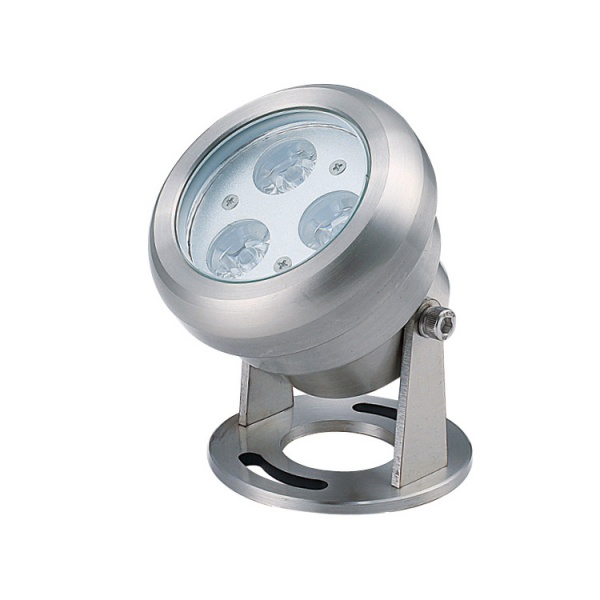

- 23 Nov 2026
Commercial LED Inground Lighting for Plazas & Shopping Malls
Commercial LED Inground Lighting for Plazas and Shopping Malls
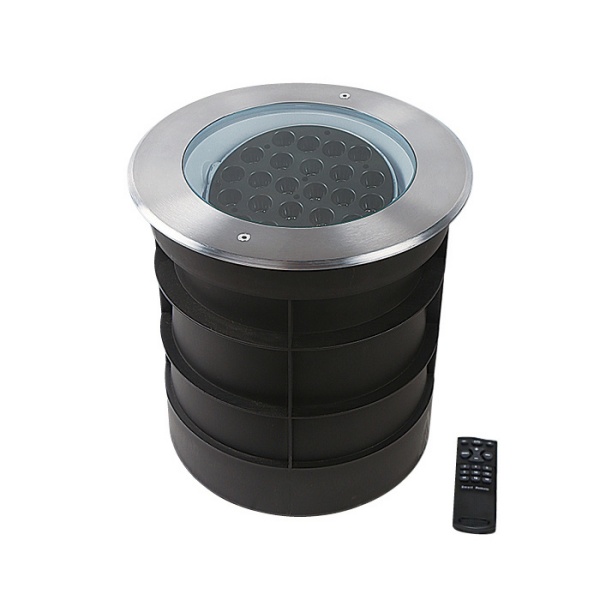
Commercial LED inground lighting is an effective solution for illuminating outdoor spaces around shopping malls, commercial buildings, retail complexes and public plazas. Installed flush with the ground, LED inground lights provide architectural accents and landscape illumination while keeping walkways and open areas visually clean and unobstructed.
For commercial property developers, lighting contractors and shopping mall construction companies, selecting the right outdoor ground lights involves more than choosing wattage and appearance. Large-scale projects require consistent lighting performance, durable materials, reliable weather protection and convenient maintenance.
Always Lighting provides LED inground lighting solutions for commercial outdoor projects, supporting product selection, technical specifications and bulk supply requirements.
Why Commercial Plazas and Shopping Malls Need LED Inground Lighting
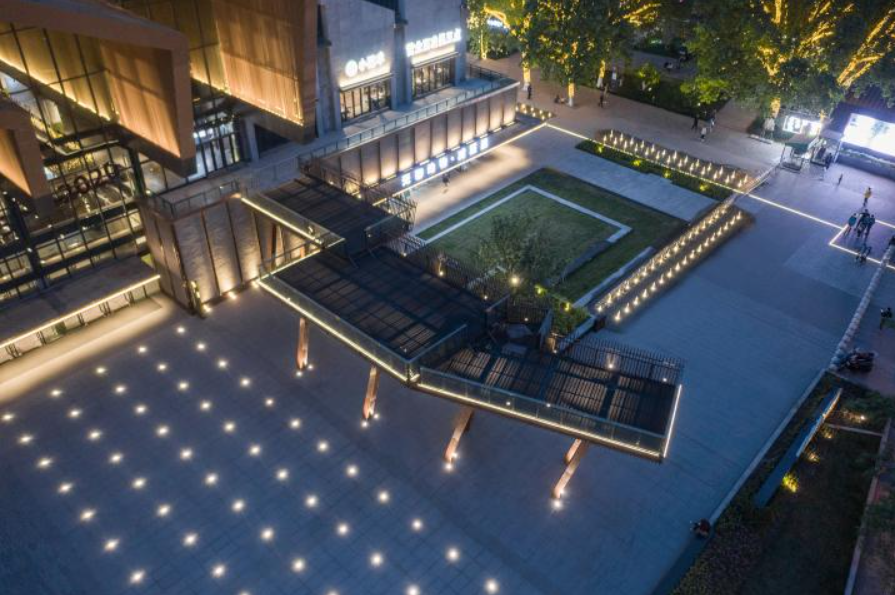
Commercial plazas and shopping malls often combine large open spaces, building entrances, landscape features and pedestrian walkways. A well-planned inground lighting system helps improve nighttime visibility, highlight architectural details and create an inviting environment for visitors.
Unlike conventional pole-mounted fixtures, recessed ground lights can be integrated into paving, landscaped areas and architectural surfaces without occupying valuable pedestrian space.
Key benefits include:
Clean architectural appearance: Recessed installation keeps the lighting fixtures visually discreet during the daytime.
Landscape enhancement: Directional lighting highlights trees, columns, sculptures and other outdoor features.
Pedestrian-friendly design: Properly selected and installed fixtures minimize obstruction in public circulation areas.
Flexible lighting layouts: Different beam angles and light distributions support various commercial applications.
Scalable project supply: Standardized product specifications help maintain consistency across large commercial developments.
LED Inground Lighting Applications in Commercial Plazas and Shopping Malls
1. Shopping Mall Entrances and Main Building Access
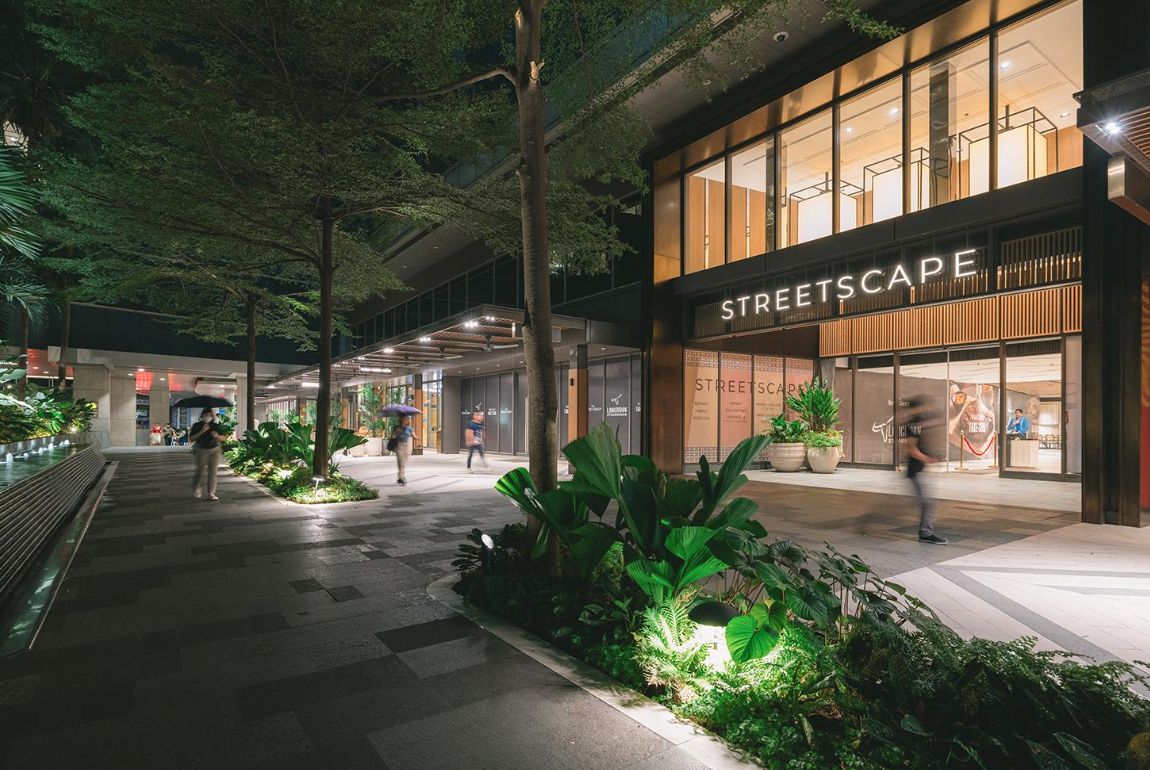
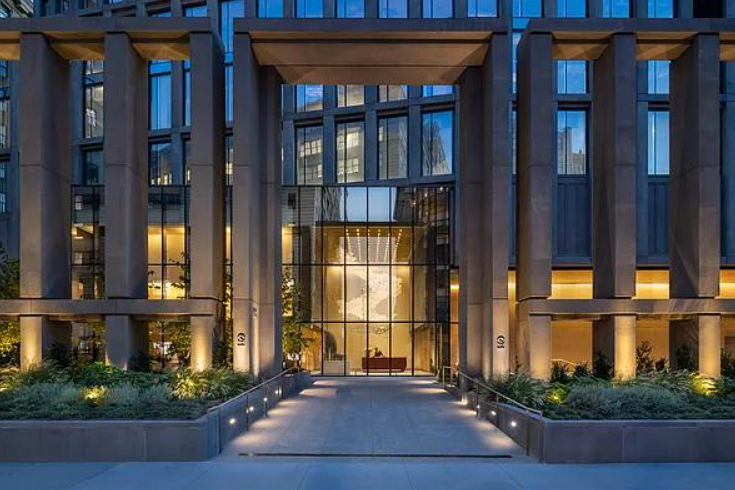
The main entrance is one of the most visible areas of a shopping mall. LED inground lights can be installed near entrance landscaping, architectural columns and surrounding paving to create a welcoming nighttime appearance.
For entrance lighting, project designers should consider beam angle, installation distance, visual comfort and the relationship between ground lighting and other architectural fixtures.
Recommended considerations:
Use suitable beam angles to highlight entrance features without creating excessive glare.
Maintain consistent color temperature across the same lighting zone.
Coordinate inground lights with facade lighting, canopy lighting and signage.
Consider drainage and maintenance access when designing recessed installations.
2. Outdoor Commercial Plazas and Open Public Spaces
Large commercial plazas need a balanced lighting layout that supports nighttime activities, pedestrian movement and the overall architectural design.
LED inground lights can provide accent illumination around plaza edges, paving features, planting areas and decorative structures.
For large open areas, inground lights should generally complement rather than replace the main functional lighting system. Designers should evaluate the required ground illuminance and uniformity using a complete lighting plan.
Recommended considerations:
Distribute fixtures according to the plaza layout and intended visual effect.
Avoid excessive brightness differences between adjacent lighting zones.
Select suitable optical distributions for the target area.
Ensure that the installation does not create trip hazards or uncomfortable glare.
3. Landscape Trees and Green Areas
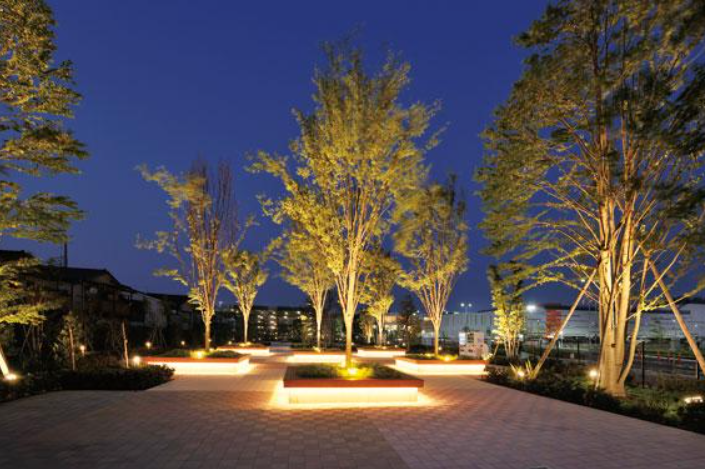
Landscape trees are common features around shopping centers and commercial complexes. Ground-mounted LED lights can illuminate tree trunks, branches and selected planting features, adding depth to the outdoor environment.
Different tree heights and canopy structures require different lighting distributions.
For example:
Narrow beams can create focused highlights on selected tree trunks.
Medium beams can illuminate medium-sized trees and landscape features.
Wider beams can provide broader coverage for larger planting areas.
The final beam angle and wattage should be selected according to tree height, fixture distance, canopy density and the desired lighting effect.
4. Architectural Columns and Building Features
Columns, structural walls and decorative architectural elements are often important visual features of commercial buildings.
LED inground lights can be positioned at the base of columns or selected architectural details to create vertical accents and emphasize building geometry.
For these applications, contractors should evaluate:
Beam angle and light distribution.
Mounting position and aiming direction.
Color temperature consistency.
Glare control and reflected light.
Coordination with facade lighting systems.
A suitable optical design helps create a more controlled lighting effect instead of producing unwanted bright spots.
5. Public Walkways and Pedestrian Areas
Outdoor walkways connect parking areas, shopping mall entrances, landscaped spaces and commercial facilities.
LED inground lights can be used as supplementary lighting along pathway edges, landscape borders and selected paving features.
However, decorative ground lights should not automatically be treated as the primary pedestrian safety lighting. The complete lighting design should provide appropriate visibility and comply with applicable local lighting and accessibility requirements.
For walkways, pay attention to:
Fixture position and spacing.
Glare and direct visibility of the LED source.
Surface temperature and installation conditions.
Water drainage and cable protection.
Ease of access for future replacement.
How to Select Commercial LED Inground Lights for Large Projects
For commercial plazas and shopping mall developments, product selection should consider the entire project environment rather than wattage alone.
1. Wattage and Lighting Performance
The appropriate wattage depends on the target object, mounting distance, required brightness and optical design.
A preliminary selection reference:
| Application | Initial Selection Consideration |
|---|---|
| Small landscape features | Lower-output compact fixtures |
| Medium-sized trees | Medium-output fixtures with suitable beam angles |
| Large trees and architectural columns | Higher-output fixtures or multiple lighting positions |
| Plaza edges and paving accents | Low-glare fixtures with controlled light distribution |
Always check actual lumen output, photometric files and beam distribution before finalizing the fixture configuration.
2. Beam Angle and Lighting Uniformity
Beam angle directly affects the illuminated area and visual appearance.
Common beam angle options include 10°, 15°, 30°, 45° and 60°, depending on the available product configuration.
10°–15°: Focused illumination for selected architectural details and narrow tree trunks.
30°: A practical starting point for many medium-sized landscape features.
45°–60°: Wider light distribution for broader coverage.
These are preliminary references, not fixed design standards. Contractors should verify beam distribution using IES/LDT photometric files and project-specific calculations.
For large commercial developments, maintaining consistent optical specifications across the same lighting zone helps reduce visible differences between fixtures.
3. Material SelectionStainless Steel LED Inground Light and Outdoor Durability
Commercial outdoor lighting fixtures are exposed to rain, sunlight, dust, temperature changes and frequent cleaning.
Important product considerations include:
Die-cast aluminum housing for structural support and heat dissipation.
Stainless steel faceplates where the installation environment requires additional surface corrosion resistance.
Tempered glass for the light-emitting surface.
Suitable sealing structures and cable entries.
Reliable thermal management for long-term operation.
For coastal or high-chloride environments, 316 stainless steel may be more suitable than 304 stainless steel for exposed components. The complete fixture assembly, including screws, cable glands and connectors, should also be evaluated for corrosion resistance.
4. IP Rating, Load Capacity and Installation Conditions
Water and mechanical pressure are important considerations in public commercial spaces.
The required IP rating should be selected according to the actual installation environment and exposure to water. IP67-rated products are generally designed for temporary immersion under specified test conditions, but this does not mean they are suitable for permanent underwater operation.
For areas where people walk over the fixtures, contractors should also evaluate the mechanical strength of the complete luminaire assembly.
If the fixtures are installed in driveways or areas accessible to service vehicles, confirm the manufacturer's rated load capacity and installation requirements. An IK impact rating alone does not establish vehicle load-bearing capacity.
Proper drainage, recessed housing, cable protection and access for replacement should be included in the installation plan.
Related products: IP67 LED Inground light
How to Maintain Consistent Lighting Across Large Commercial Projects
Lighting consistency is especially important when a commercial plaza or shopping mall uses dozens or hundreds of inground lights.
Differences in color temperature, brightness and beam distribution can make the finished installation look uneven.
To improve consistency, project buyers and contractors should confirm the following before bulk production:
Standardize product specifications: Confirm the same model, wattage, beam angle and color temperature for each lighting zone.
Confirm color consistency: Discuss LED binning and acceptable color variation with the manufacturer.
Approve samples: Evaluate sample fixtures in the actual installation environment before placing a large order.
Review photometric files: Compare IES/LDT files and light distribution before finalizing the layout.
Check production consistency: Confirm inspection procedures and product specifications for repeat orders.
For phased commercial developments, maintaining the same approved specifications is particularly important when additional fixtures may be required months or years after the initial installation.
Why Choose Always Lighting for Commercial LED Inground Lighting Projects?
For commercial lighting contractors and property developers, a reliable supplier should understand both product performance and project procurement requirements.
Always Lighting supports commercial outdoor lighting projects with:
Product selection support: Assistance in matching wattage, beam angle, color temperature and installation requirements to different applications.
Multiple product configurations: Options for different outdoor ground lighting requirements, subject to available models and specifications.
Project sample evaluation: Sample coordination to help buyers check appearance, dimensions and lighting effects before bulk purchasing.
Technical documentation: Product specifications and available photometric information to support lighting design and product approval.
Bulk order coordination: Communication on product configuration, production schedules and delivery requirements for commercial projects.
Whether you are sourcing LED inground lights for a shopping mall entrance, a commercial plaza or a large outdoor landscape development, confirming the project specifications before ordering helps reduce selection errors and improve installation consistency.
Request a Commercial LED Inground Lighting Solution
Planning a shopping mall, commercial plaza or outdoor public-space lighting project?
Send Always Lighting your project requirements. Our team can help evaluate suitable LED inground light configurations for your application.
For a more accurate product recommendation and quotation, please provide:
Project location and application areas.
Required quantity or estimated project scale.
Installation environment, including pedestrian areas or vehicle-accessible zones.
Preferred wattage, beam angle and color temperature, if available.
Required input voltage and IP rating.
Drawings, installation photos or lighting layouts.
Target delivery schedule.
Contact Always Lighting Always Lighting to discuss your commercial LED inground lighting requirements and bulk project supply.
Frequently Asked Questions
1. Where are LED inground lights used in commercial plazas and shopping malls?
They are commonly used around shopping mall entrances, outdoor plazas, landscape trees, architectural columns, paving features and pedestrian walkway edges.
2. What beam angle is suitable for commercial LED inground lighting?
The choice depends on the illuminated object and installation distance. Narrow beams such as 10° or 15° can create focused accents, while 30°, 45° and 60° beams provide progressively wider distributions. Photometric files and lighting calculations should be used for final selection.
3. Are LED inground lights suitable for shopping mall pedestrian areas?
Yes, when the fixtures are designed and installed for the intended environment. Contractors should check surface level, mechanical strength, glare, drainage and maintenance access. Decorative inground lights should complement the main functional lighting system.
4. How can commercial projects maintain consistent color temperature?
Use standardized specifications, confirm LED color binning, approve samples before mass production and maintain the same product configuration across each lighting zone.
5. What should buyers check before ordering LED inground lights in bulk?
Buyers should confirm dimensions, wattage, lumen output, beam angle, CCT, input voltage, IP rating, materials, load capacity where relevant, photometric files, sample approval, production consistency and delivery schedule.
6. Are IP67 LED inground lights suitable for areas exposed to heavy rain?
They may be suitable when the complete fixture is correctly rated and installed according to the manufacturer's instructions. However, IP67 does not mean the product is designed for permanent underwater installation. Drainage and cable connection protection remain important.
7. Can LED inground lights withstand vehicles driving over them?
Not all models are designed for vehicle traffic. Always confirm the rated load capacity of the complete luminaire and its installation structure. Do not use an ordinary pedestrian-rated fixture in a vehicle-accessible area without written confirmation from the manufacturer.