
- 16 Sep 2026
Historic Building Lighting Project in Huizhou | 9W LED Flood Light
Project Overview
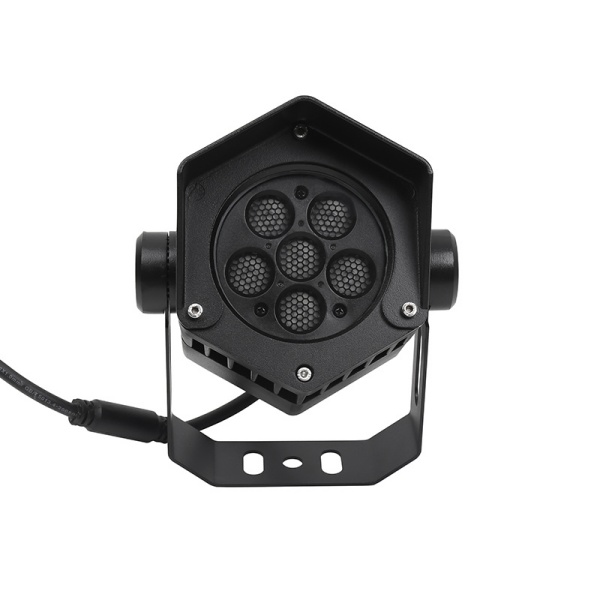
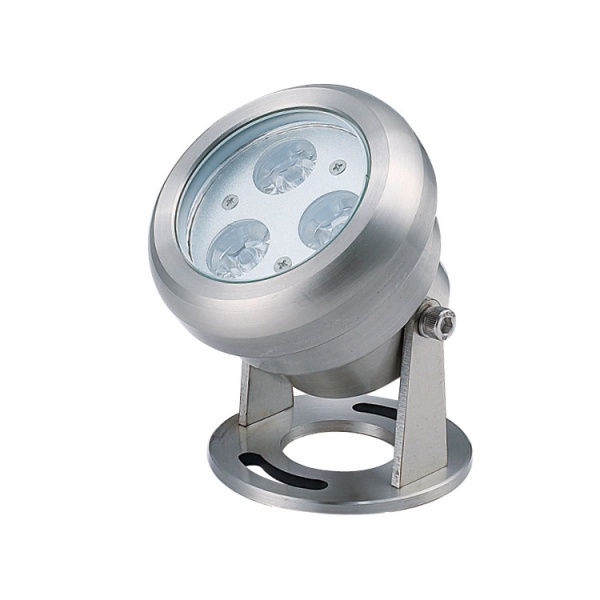
This Historic Building Lighting Project in Huizhou, China was completed in 2020. The project used 9W LED flood lights featuring 9 CREE LEDs and a 45° beam angle to provide architectural illumination for the historic building.
The lighting solution was designed to highlight the building's traditional architectural details while providing controlled and balanced nighttime illumination.
For historic buildings, lighting needs to work with the existing architectural structure rather than overpowering it. The compact 9W LED flood lights and 45° beam angle provided a directional lighting solution for illuminating selected facade areas and architectural details.
Project Background
The project is located in Huizhou, China, and was completed in 2020.
The historic building required exterior lighting to improve its nighttime appearance while highlighting its traditional architectural characteristics.
Unlike modern commercial buildings, historic architecture often contains detailed structures, decorative elements and distinctive facade features. The lighting therefore needed to emphasize these elements with controlled illumination.
For this project, 9W LED flood lights with 9 CREE LEDs were selected. The fixtures featured a 45° beam angle for broader directional illumination across the required architectural areas.
Lighting Challenges
Historic building lighting requires careful consideration of the building's architectural details and visual characteristics.
The main project considerations included:
Highlighting historic architectural details
Providing controlled facade illumination
Avoiding excessive brightness
Selecting suitable fixture power
Choosing an appropriate beam angle
Maintaining a balanced nighttime appearance
Directing light accurately toward architectural surfaces
Integrating the lighting fixtures with the existing building
The lighting solution needed to enhance the architectural character without making the lighting itself visually dominant.
LED Flood Light Lighting Solution
For this project, 9W LED flood lights with 9 CREE LEDs were used for historic building facade lighting.
Each fixture featured 9 CREE LED chips, providing the light source for the architectural illumination.
The fixtures were installed at suitable positions around the building and aimed toward selected facade areas. The 45° beam angle provided a relatively broad distribution suitable for illuminating architectural surfaces from an appropriate installation distance.
The lighting solution included:
9W LED flood lights
9 CREE LEDs per fixture
45° beam angle
Directional architectural illumination
Historic building facade lighting
Architectural detail lighting
Controlled outdoor lighting
Why Use LED Flood Lights for Historic Buildings?
Historic buildings often contain architectural details that are best revealed through carefully positioned directional lighting.
LED flood lights can provide flexible options for illuminating walls, architectural features, entrances, columns and other exterior elements.
For historic building projects, fixture power and beam angle should be selected according to the size of the architectural feature and the distance between the fixture and the building.
A lower-power fixture such as a 9W LED flood light can be considered for applications where concentrated architectural illumination is required without using unnecessarily high fixture power.
9 CREE LEDs for Architectural Lighting
The LED flood lights used in this project featured 9 CREE LEDs.
CREE is a recognized LED technology brand used in various professional lighting applications. Using multiple LED chips within a compact fixture can provide a practical light source for architectural lighting applications.
For historic building lighting, the LED configuration should be considered together with fixture power, optical design, beam angle and installation position.
In this project, the combination of 9W power, 9 CREE LEDs and a 45° beam angle was used for the required architectural lighting application.
Why Use a 45° Beam Angle?
The 45° beam angle provides broader light distribution than narrow beams such as 8°, 15° or 30°.
For historic building facades, a 45° beam can be useful when a wider architectural surface needs to be illuminated from a suitable installation distance.
The appropriate beam angle depends on:
Distance between the fixture and facade
Width of the architectural surface
Building structure
Mounting position
Required lighting coverage
Desired architectural lighting effect
For detailed architectural elements, narrower beams may be considered. For wider facade surfaces, a 45° beam can provide broader coverage.
Historic Building Facade Lighting Effect
The 9W LED flood lights created a controlled lighting effect across the selected areas of the historic building.
The 45° beam angle helped distribute light across the architectural surfaces, while the compact 9W fixtures provided directional illumination for the building exterior.
The lighting effect focused on:
Highlighting historic architectural details
Improving nighttime building visibility
Creating balanced facade illumination
Revealing architectural structure
Maintaining a clean nighttime appearance
The lighting design was intended to support the building's existing architectural character rather than overwhelm it with excessive illumination.
LED Flood Light Installation
Proper fixture positioning is particularly important when lighting historic architecture.
The LED flood lights were positioned according to the building structure and aimed toward the required architectural surfaces.
Contractors and lighting designers should consider the following when installing flood lights on historic buildings:
Architectural details
Fixture mounting location
Installation distance
Beam angle
Mounting height
Lighting direction
Facade material
Required illumination area
Accurate aiming can help reduce unnecessary light spill and ensure that important architectural elements receive the required illumination.
Project Results
The Huizhou Historic Building Lighting Project was completed in 2020.
The project used 9W LED flood lights with 9 CREE LEDs and a 45° beam angle for architectural facade illumination.
The lighting solution helped highlight the historic building's architectural features and create a clear nighttime appearance with controlled directional lighting.
Project Information
| Item | Details |
|---|---|
| Project Type | Historic Building Lighting |
| Location | Huizhou, China |
| Completion Year | 2020 |
| Main Fixture | LED Flood Light |
| Power | 9W |
| LED Source | 9 CREE LEDs |
| Beam Angle | 45° |
| Application | Historic Building Facade |
| Lighting Type | Architectural Lighting |
| Lighting Method | Directional Facade Illumination |
FAQ
What LED flood light was used for this historic building project?
The project used 9W LED flood lights featuring 9 CREE LEDs and a 45° beam angle.
Where was this historic building lighting project completed?
The project was completed in Huizhou, China, in 2020.
Why was a 9W LED flood light used?
A 9W fixture can be suitable for architectural applications where controlled illumination is required for selected facade areas and architectural details. The appropriate power depends on the actual project requirements.
How many CREE LEDs were used in each flood light?
Each LED flood light used in this project featured 9 CREE LEDs.
Why was a 45° beam angle selected?
A 45° beam angle provides relatively broad light distribution and can be suitable for illuminating wider architectural surfaces from an appropriate installation distance.
Are LED flood lights suitable for historic building lighting?
Yes. LED flood lights can be used to illuminate historic buildings, architectural details, facades, entrances and other exterior structures when the fixture specifications and installation method are appropriate.
How do you choose a flood light for a historic building?
Consider the architectural structure, lighting distance, required light output, beam angle, fixture size, mounting position and desired nighttime lighting effect.
Related Blog
https://www.always-lighting.com/Blog/led-flood-light-beam-angle-guide/
Related Application
https://www.always-lighting.com/Applications/historic-building-flood-lighting/
Related Product
https://www.always-lighting.com/led-flood-light/led-flood-light-manufacturer/
https://www.always-lighting.com/led-flood-light/BuildingFacadeLEDFloodLight/
https://www.always-lighting.com/led-flood-light/architectural-led-flood-light/