
- 14 Sep 2026
Historic Building Flood Lighting | Heritage Architectural LED Lighting
Historic Building Flood Lighting
Historic buildings are important architectural and cultural landmarks that require carefully designed lighting to preserve their character and enhance their appearance at night. Professional historic building flood lighting can highlight facades, columns, arches, towers, stone details, entrances, sculptures, and other architectural features without overwhelming the original structure.
Always Lighting provides LED flood lighting solutions for historic buildings, heritage architecture, cultural landmarks, old city buildings, churches, temples, museums, castles, traditional buildings, and protected architectural sites.
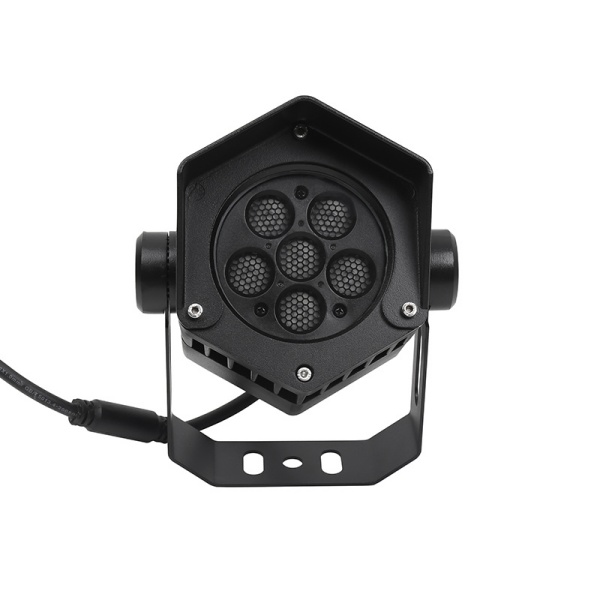
Our architectural LED flood lights are available with multiple beam angles, wattages, color temperatures, RGB/RGBW options, and DMX512 control for different heritage and architectural lighting projects.
What Is Historic Building Flood Lighting?
Historic building flood lighting uses carefully positioned outdoor LED flood lights to illuminate the architectural features of heritage and historic structures.
Unlike general outdoor lighting, historic building lighting requires greater attention to architectural details, material appearance, glare, light spill, fixture positioning, and the visual relationship between the building and its surroundings.
Typical lighting targets include:
Historic building facades
Stone and brick walls
Columns
Arches
Towers
Roof structures
Entrance doors
Sculptures
Decorative details
Courtyards
Historic streets
Cultural landmarks
The objective is to reveal the architectural character of the building while maintaining a natural and respectful nighttime appearance.
Why Use LED Flood Lights for Historic Buildings?
High-Efficiency LED Technology
Historic buildings may require lighting for many hours every night. High-efficiency LED flood lights can provide strong illumination while helping reduce energy consumption.
Always Lighting uses high-efficiency LED chips designed for stable outdoor lighting performance and reduced lumen depreciation.
Precise Beam Angles
Historic architecture often contains detailed structures that require controlled illumination.
Common beam angle options include:
10°–15°: narrow highlighting for towers, columns, statues, arches, and architectural details
20°–30°: medium-width lighting for facades, walls, columns, and decorative structures
45°–60°: wider illumination for larger walls, courtyards, and open areas
Choosing the correct beam angle helps create a more controlled lighting effect and reduces unnecessary light spill.
Adjustable Lighting Direction
Historic buildings often have complex architectural structures and different facade depths.
Adjustable LED flood lights allow installers to aim the light accurately toward specific architectural features.
Correct fixture positioning can also reduce direct glare toward pedestrians and nearby buildings.
Outdoor Protection
Historic buildings are generally exposed to rain, humidity, dust, and changing outdoor temperatures.
IP65/IP66 LED flood lights can be suitable for many outdoor heritage lighting applications, depending on the actual installation environment.
Historic Building Flood Lighting Applications
Heritage Building Facade Lighting
LED flood lights can highlight historic stone, brick, concrete, or plaster facades while revealing architectural proportions and decorative details.
Castle & Palace Lighting
Castles and palaces often contain towers, walls, arches, roofs, and large facades.
Different beam angles can be combined to create depth and visual hierarchy.
Church & Religious Architecture
Historic churches and religious buildings may require carefully controlled lighting for towers, entrances, arches, windows, and architectural details.
Warm white lighting is often considered for traditional architectural environments, depending on the project design.
Historic Government Buildings
Government and civic heritage buildings can use architectural flood lights to emphasize columns, entrances, symmetrical facades, and monumental structures.
Traditional City Buildings
Historic buildings located in old city centers can be illuminated to enhance streetscapes, public spaces, and tourism areas.
Historic Bridges
Historic bridges can use LED flood lights to highlight arches, piers, structural elements, and stonework.
Waterfront historic bridges require additional consideration of moisture, reflections, and environmental exposure.
Cultural Heritage Sites
Historic cultural sites can combine flood lights with wall washers, landscape lighting, and other architectural fixtures to create a complete nighttime lighting environment.
How to Choose LED Flood Lights for Historic Buildings?
1. Understand the Architectural Structure
Before selecting the fixture, identify the main architectural elements that should be highlighted.
Consider:
Building height
Facade width
Columns
Arches
Towers
Windows
Decorative details
Building materials
Installation locations
Different architectural features may require different beam angles.
2. Consider Installation Distance
The distance between the LED flood light and building facade affects the required beam angle and power.
Longer distances may require narrower beams to concentrate light on the target.
Shorter installation distances may allow wider beams for more uniform illumination.
3. Select the Correct Beam Angle
Beam angle is critical for historic architectural lighting.
10°–15° can highlight narrow architectural details and tall structures.
20°–30° can provide controlled illumination for facades and medium-size architectural features.
45°–60° can illuminate wider walls and larger surfaces.
The final selection should be based on the actual building dimensions and installation conditions.
4. Select Power and Lumens
Historic building lighting should focus on controlled illumination rather than simply using higher wattage.
The required power and lumen output depend on:
Building height
Installation distance
Beam angle
Facade material
Target area
Reflectance
Required lighting effect
Always Lighting offers multiple LED flood light power options from 3W to 200W for different architectural lighting projects.
Color Temperature for Historic Building Lighting
Color temperature strongly influences how historic materials appear at night.
2700K–3000K Warm White
Warm white lighting can create a traditional, elegant, and comfortable appearance.
It can be suitable for:
Stone buildings
Brick architecture
Historic streets
Castles
Traditional facades
Cultural landmarks
4000K Neutral White
4000K can provide a cleaner and more neutral appearance and may be suitable for certain modernized heritage projects.
The final color temperature should match the architectural materials and project design.
RGB & RGBW
RGB and RGBW can be used for special events, festivals, celebrations, tourism projects, and temporary architectural lighting scenes.
For heritage buildings, dynamic colors should be carefully designed to maintain the character of the architecture.
RGBW & DMX512 for Historic Buildings
RGBW LED flood lights can provide both white lighting and dynamic color effects.
With DMX512 control, multiple fixtures can be synchronized and programmed for different scenes.
Applications include:
Cultural festivals
National celebrations
City events
Tourism events
Holiday lighting
Special architectural shows
Landmark presentations
A typical system can use warm white lighting for daily operation and RGBW scenes for special events.
Low Glare and Light Spill Control
Glare control is particularly important for historic buildings located in city centers and public spaces.
Excessive glare can affect:
Pedestrians
Drivers
Nearby residents
Tourists
Building occupants
Lighting designers should carefully control:
Beam angle
Fixture position
Mounting height
Installation distance
Light intensity
Fixture aiming direction
The objective is to illuminate the building rather than direct excessive light into surrounding areas.
Protecting Historic Architectural Details
Lighting should enhance historic architecture rather than hide its original character.
A professional lighting design should consider:
Original facade proportions
Decorative elements
Building materials
Architectural symmetry
Shadows and highlights
Existing street lighting
Surrounding landscape
Nearby buildings
Narrow and medium beam flood lights can be used selectively to emphasize important architectural details instead of flooding the entire structure with excessive brightness.
Light Pollution Considerations
Historic buildings are often located in city centers, tourist destinations, public squares, and residential neighborhoods.
Uncontrolled lighting can create unnecessary light spill.
Using the appropriate beam angle, fixture position, lumen output, and aiming direction can help keep light focused on the building.
This approach can improve visual quality while reducing unnecessary illumination of surrounding streets, windows, and the night sky.
Thermal Management for Historic Building Flood Lights
Historic building lighting projects may require LED flood lights to operate continuously for long periods.
Good thermal management is therefore important for long-term performance.
Always Lighting flood lights use thick die-cast aluminum housings designed to support heat dissipation, mechanical strength, corrosion resistance, and outdoor durability.
High-efficiency LED chips combined with effective heat dissipation can help reduce lumen depreciation and support stable lighting performance.
IP Protection for Historic Buildings
Historic buildings may be located in exposed outdoor environments where fixtures are subject to:
Rain
Dust
Humidity
Wind
Temperature changes
Environmental pollution
IP65 and IP66 LED flood lights can be used for many exterior architectural applications.
For waterfront historic buildings or locations with stronger moisture exposure, the fixture specification should be selected according to the actual environment.
For completely submerged historic structures, dedicated underwater LED lighting should be used instead of standard outdoor flood lights.
Historic Building Flood Lighting Design Solution
A complete heritage lighting project may combine several lighting techniques.
Facade
Use medium or wide-beam LED flood lights to provide controlled facade illumination.
Columns and Arches
Use narrow or medium beam flood lights to emphasize architectural depth and details.
Towers
Use narrow-beam fixtures to highlight tall structures from a longer installation distance.
Entrances
Use controlled flood lighting to emphasize historic doors, entrance structures, and surrounding architectural details.
Landscape
Use flood lights to highlight trees, walls, sculptures, and landscape features surrounding the historic building.
Special Events
Use RGBW LED flood lights with DMX512 for temporary festivals, celebrations, and architectural events.
Why Choose Always Lighting?
Always Lighting is an LED lighting manufacturer providing architectural and outdoor lighting solutions for international projects.
Our LED flood lighting solutions can be customized according to project requirements, including:
3W–200W power options
Multiple beam angles
High-efficiency LED chips
Thick die-cast aluminum housing
Efficient heat dissipation
IP65/IP66 protection options
Adjustable installation angle
2700K–6000K color temperatures
RGB and RGBW versions
DMX512 control
DC24V and AC voltage options for selected models
OEM and ODM services
We support lighting distributors, wholesalers, architects, lighting designers, contractors, engineering companies, cultural projects, tourism developments, and heritage restoration projects.
Historic Building Flood Lighting for International Projects
Every historic building has different architectural materials, dimensions, structures, and lighting requirements.
Always Lighting can recommend suitable LED flood lights according to:
Building height
Facade dimensions
Architectural details
Installation distance
Beam angle
Required lumen output
Color temperature
IP protection
RGB/RGBW requirements
DMX512 control requirements
Local climate
Surrounding environment
Light pollution and glare requirements
For project-based lighting recommendations, customers can provide building photos, architectural drawings, facade dimensions, installation locations, lighting layouts, or project requirements.
This information can help determine suitable LED flood light power, beam angle, quantity, installation position, and control system.
FAQ
What type of LED flood light is suitable for historic buildings?
The suitable flood light depends on the building height, facade material, installation distance, architectural details, and required lighting effect. Narrow and medium beam LED flood lights are often useful for highlighting specific architectural features.
What beam angle is best for historic building lighting?
There is no single beam angle for every historic building. 10°–15° beams can highlight narrow details and towers, 20°–30° beams can illuminate facades and columns, while 45°–60° beams can cover wider surfaces.
What color temperature is suitable for historic buildings?
2700K–3000K warm white is commonly considered for traditional stone, brick, and heritage architecture because it can create a warm and natural appearance. The final selection should match the building materials and lighting design.
Can RGBW flood lights be used for historic buildings?
Yes. RGBW flood lights can be used for festivals, celebrations, tourism events, and special architectural lighting scenes. For heritage buildings, color effects should be carefully controlled to preserve the visual character of the architecture.
Can DMX512 control historic building flood lights?
Yes. RGB and RGBW LED flood lights with DMX512 can be centrally controlled to create synchronized color changes, gradients, fading effects, and programmed lighting scenes.
What IP rating is suitable for historic building flood lighting?
IP65 and IP66 are suitable for many outdoor architectural applications. The correct IP rating should be selected according to the building's exposure to rain, moisture, dust, and other environmental conditions.
How can glare be reduced in historic building lighting?
Glare can be reduced by using the correct beam angle, controlling fixture aiming, selecting appropriate installation positions, and avoiding direct light toward pedestrians, drivers, nearby buildings, and residential windows.
Can LED flood lights be used in hot climates?
Yes. In high-temperature environments, LED flood lights should have efficient thermal management and durable housing. Thick die-cast aluminum housings can help dissipate heat and support long-term outdoor performance.
Can Always Lighting provide customized historic building lighting solutions?
Yes. Always Lighting can provide different wattages, beam angles, color temperatures, RGB/RGBW options, DMX512 control, IP-rated fixtures, voltage options, and OEM/ODM solutions for architectural and heritage lighting projects.
Related Product
https://www.always-lighting.com/led-flood-light/architectural-led-flood-light/
https://www.always-lighting.com/led-flood-light/BuildingFacadeLEDFloodLight/
https://www.always-lighting.com/led-flood-light/rgb-waterproof-led-flood-light/
https://www.always-lighting.com/led-flood-light/led-flood-light-manufacturer/
Related Blog
https://www.always-lighting.com/Blog/dmx512-led-flood-light-how-dmx-control-works/
https://www.always-lighting.com/Blog/led-flood-light-beam-angle-guide/
Related Application
https://www.always-lighting.com/Applications/museum-cultural-building-flood-lighting/
https://www.always-lighting.com/Applications/monument-landmark-flood-lighting/
https://www.always-lighting.com/Applications/landscape-flood-lighting/
https://www.always-lighting.com/Applications/waterfront-riverside-flood-lighting/