
- 13 Sep 2026
High-Rise Building Flood Lighting | LED Facade Lighting Solutions
High-Rise Building Flood Lighting
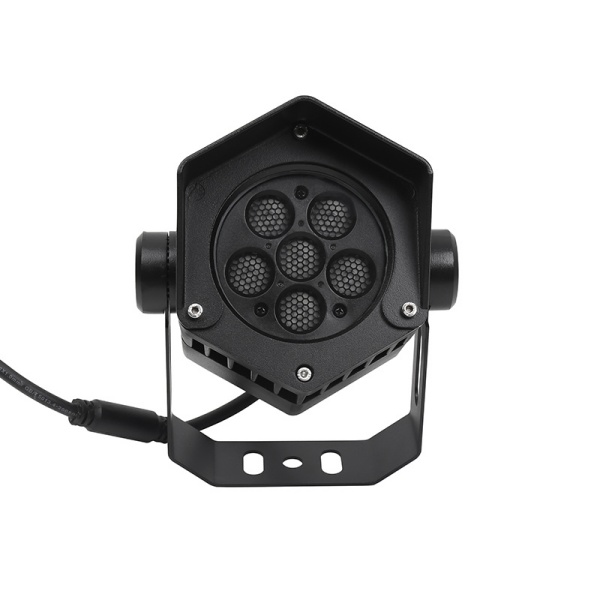
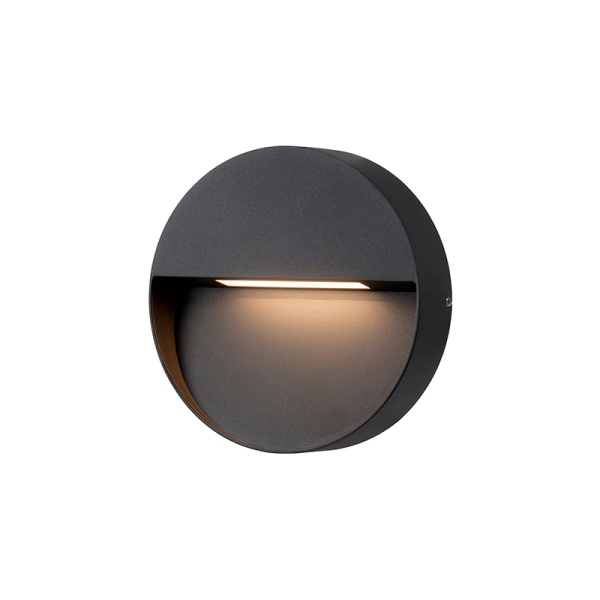
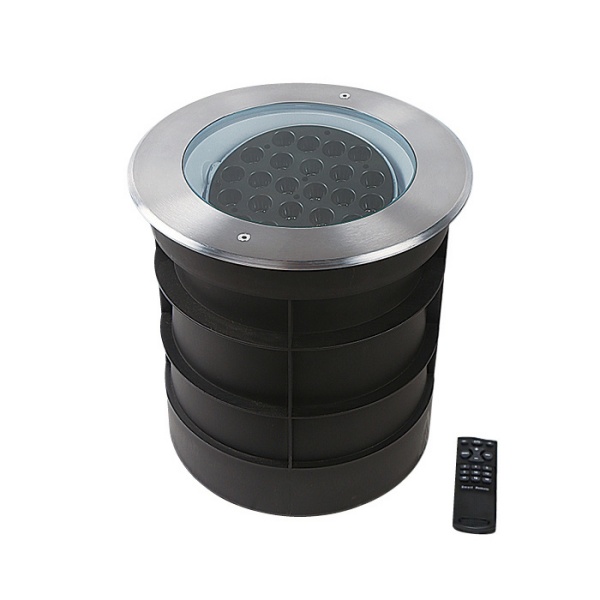
High-Rise Building Flood Lighting is an architectural lighting solution designed to illuminate tall building facades, towers, entrances, columns, structural features and other exterior architectural elements.
Because high-rise buildings have greater facade heights, longer lighting distances and more complex architectural structures, flood light selection requires careful consideration of beam angle, lumen output, power, installation position, color temperature and glare control.
Always Lighting provides LED flood light solutions for high-rise buildings, commercial towers, hotels, offices, residential towers and landmark buildings, with multiple wattages, beam angles, color temperatures, RGB/RGBW options, DMX512 control and IP-rated outdoor designs.
What Is High-Rise Building Flood Lighting?
High-rise building flood lighting uses outdoor LED flood lights to illuminate the exterior facade and architectural features of tall buildings.
The lighting system can highlight:
High-rise building facades
Commercial towers
Hotel buildings
Office towers
Residential high-rise buildings
Building entrances
Columns
Architectural details
Rooflines
Building corners
Towers and vertical structures
Landmark buildings
The objective is to create a clear and balanced nighttime appearance while controlling glare, light spill and unnecessary energy consumption.
Why Use LED Flood Lights for High-Rise Buildings?
LED flood lights provide flexible optical and electrical options for high-rise architectural lighting.
High-Efficiency LED Chips
High-efficiency LED chips can provide strong light output while helping reduce energy consumption.
For high-rise buildings where exterior lighting may operate for several hours every evening, energy efficiency is an important part of the long-term project cost.
Multiple Beam Angles
High-rise facades often require different beam angles depending on the distance between the flood light and building surface.
Typical beam angle options include:
10°–15°: long-distance and narrow architectural lighting
20°–30°: columns, vertical facade sections and medium areas
45°–60°: wider facade surfaces and nearby areas
Narrow beam flood lights are particularly useful when the fixture is installed far away from a tall building.
Adjustable Aiming
Adjustable LED flood lights allow installers to accurately aim the light toward different sections of a high-rise facade.
Accurate aiming helps improve facade uniformity and reduce unnecessary illumination outside the target area.
High-Rise Building Flood Lighting Applications
LED flood lights can be used in many types of high-rise buildings.
Commercial High-Rise Buildings
Flood lights can highlight commercial tower facades, entrances, architectural structures and rooflines.
Architectural lighting can strengthen the nighttime identity of commercial buildings and business districts.
Hotel Towers
Hotel facade flood lighting can highlight columns, entrances, balconies, architectural details and building silhouettes.
Warm white lighting is often suitable for creating an elegant and comfortable hotel appearance.
Office Buildings
LED flood lights can illuminate office tower facades and architectural elements while creating a clean nighttime appearance.
Neutral white lighting can be used for modern commercial architecture.
Residential High-Rise Buildings
Flood lights can be used selectively on residential towers to highlight entrances, podium structures, landscape areas and important architectural features.
Lighting should be carefully controlled to avoid excessive glare toward residential windows.
Landmark High-Rise Buildings
Tall landmark buildings can use architectural flood lighting to create a recognizable nighttime identity.
RGBW and DMX512 systems can also be used when dynamic lighting scenes are required.
How to Choose LED Flood Lights for High-Rise Buildings?
High-rise building flood light selection should consider the actual building structure and installation conditions.
1. Building Height
Building height is one of the most important factors.
A taller facade may require more focused optical distribution and higher lumen output to deliver sufficient illumination over a long distance.
2. Installation Distance
Determine the distance between the flood light and the facade.
When the fixture is installed far from the building, a narrow beam angle can help concentrate the light onto the target surface.
When the fixture is installed closer to the facade, a wider beam may provide better coverage.
3. Beam Angle
Beam angle controls the width of the illuminated area.
For example:
10°–15°: suitable for tall vertical sections and long-distance lighting.
20°–30°: suitable for medium facade areas and architectural elements.
45°–60°: suitable for wider surfaces and shorter installation distances.
The correct beam angle should be determined based on the building height, fixture distance and facade dimensions.
4. Power and Lumens
Wattage alone does not determine the final lighting effect.
Project engineers should consider:
Building height
Facade dimensions
Installation distance
Surface reflectance
Beam angle
Required brightness
Ambient lighting
Desired lighting uniformity
Lumen output and optical distribution should be evaluated together.
5. Color Temperature
Color temperature affects the appearance of a high-rise building.
Common choices include:
2700K: warm architectural atmosphere
3000K: elegant warm white
4000K: neutral architectural appearance
5000K–6000K: cooler appearance for selected modern projects
RGB/RGBW: dynamic architectural lighting
For hotels and luxury buildings, 2700K or 3000K can create a warmer appearance.
For modern office and commercial buildings, 4000K can provide a clean and neutral appearance.
High-Rise Facade Lighting Beam Angle
Beam angle is particularly important when illuminating tall buildings from ground level.
A narrow beam can project light over a longer distance and concentrate illumination on a vertical section.
For example, a high-rise column located far from the fixture may benefit from a 10° or 15° beam, while a large lower facade area may require a wider beam.
Using the wrong beam angle can cause:
Insufficient illumination
Uneven facade brightness
Excessive light spill
Unnecessary energy consumption
Glare
Poor visual contrast
For professional projects, beam angle should be selected together with installation distance and target facade dimensions.
RGBW LED Flood Lighting for High-Rise Buildings
RGBW LED flood lights can transform a high-rise building into a dynamic nighttime landmark.
RGBW can be used for:
Building facade color effects
Festival lighting
Holiday lighting
Special events
City celebrations
Brand events
Landmark lighting
Dynamic architectural effects
RGBW also includes a dedicated white LED channel, allowing the same flood light to provide normal white architectural lighting when dynamic colors are not required.
DMX512 High-Rise Building Lighting
DMX512 LED flood lights are suitable for high-rise buildings that require centralized control and dynamic lighting scenes.
A DMX512 system can control multiple RGB or RGBW flood lights across different sections of a building.
Possible effects include:
Static colors
Color changing
Gradient effects
Sequential effects
Building-wide lighting scenes
Festival lighting
Special event scenes
For large high-rise projects, DMX512 allows lighting designers to coordinate multiple fixtures and create synchronized facade effects.
IP-Rated LED Flood Lights for High-Rise Buildings
High-rise building flood lights are normally installed outdoors and may be exposed to rain, dust, humidity and changing weather conditions.
An appropriate IP-rated LED flood light should therefore be selected according to the project environment.
IP65 and IP66 LED flood lights can be suitable for many outdoor architectural facade applications.
The complete installation should also consider:
Outdoor cables
Connectors
Mounting brackets
Cable protection
Drainage
Fixture access
Maintenance requirements
For coastal, humid or high-temperature environments, the fixture housing and thermal management should also be considered carefully.
Low-Glare High-Rise Building Lighting
Glare control is especially important for high-rise buildings located near roads, residential areas, offices and public spaces.
Incorrectly positioned flood lights may create glare for pedestrians, drivers or people inside nearby buildings.
Low-glare lighting can be achieved by:
Selecting the correct beam angle
Carefully positioning fixtures
Accurate fixture aiming
Using suitable optical lenses
Avoiding direct views of LED sources
Controlling excessive brightness
Reducing light spill
Keeping illumination focused on the building facade
The goal is to create a strong architectural effect without causing unnecessary visual discomfort.
High-Rise Building Flood Lighting Design
A professional high-rise flood lighting design should begin with an analysis of the building architecture.
Important elements may include:
Vertical facade sections
Columns
Building corners
Windows
Entrance areas
Rooflines
Podiums
Architectural details
Towers
Structural elements
Instead of illuminating every surface with the same brightness, lighting designers can create visual hierarchy by using different beam angles and light levels.
Narrow beams can highlight important vertical structures, while wider beams can provide general facade illumination.
Flood Lighting for Different High-Rise Architecture
High-rise flood lighting can be adapted to different building styles.
Modern Commercial Towers
Neutral white or RGBW lighting can emphasize glass, metal and modern architectural structures.
Luxury Hotel Towers
Warm white flood lighting can highlight entrances, columns and facade details to create an elegant appearance.
Residential Towers
Selective facade lighting can emphasize podiums, entrances and architectural features while controlling glare toward residential windows.
Landmark Towers
Dynamic RGBW and DMX512 lighting can create a recognizable nighttime landmark for city centers and tourist destinations.
Mixed-Use High-Rise Buildings
Flood lights can be combined with other architectural lighting systems to illuminate commercial, hotel and residential sections.
Energy-Efficient High-Rise Flood Lighting
High-rise buildings can require a large number of outdoor lighting fixtures.
Energy efficiency should therefore be considered from the beginning of the project.
LED flood lighting can help improve efficiency through:
High-efficiency LED chips
Correct lumen output
Appropriate beam angles
Accurate fixture positioning
Dimming
Lighting schedules
DMX512 control
Avoiding unnecessary over-lighting
Selecting the correct fixture quantity is also important. More fixtures do not always create a better lighting effect.
High-Rise Building Lighting in Hot Climates
High-rise architectural lighting projects in hot climates require careful consideration of thermal management.
Outdoor fixtures may operate under high ambient temperatures, especially when installed on building facades or exposed rooftops.
Important considerations include:
Efficient LED chips
Die-cast aluminum housing
Effective heat dissipation
Suitable power selection
Reliable outdoor components
Appropriate installation position
Protection from excessive heat where possible
A well-designed LED flood light can help maintain stable performance in demanding outdoor environments.
Why Choose Always Lighting for High-Rise Flood Lighting?
Always Lighting provides LED flood light solutions for architectural and outdoor lighting projects.
Our LED flood lights can be configured with:
Multiple power options
High-efficiency LED chips
Multiple beam angles
Adjustable aiming angles
2700K, 3000K, 4000K and other CCT options
RGB and RGBW
DMX512 control
IP65/IP66 outdoor protection
Die-cast aluminum housing
Custom lighting solutions
OEM and ODM services
For high-rise building projects, Always Lighting can help customers select suitable flood lights according to building height, facade size, installation distance, beam angle, lumen output and required lighting effect.
High-Rise Building Flood Lighting Solution
A complete high-rise flood lighting solution normally includes:
Building facade analysis
Fixture positioning
Installation distance calculation
Beam angle selection
Power and lumen selection
Color temperature selection
RGBW selection when required
DMX512 control planning
IP protection selection
Glare and light spill control
Installation and maintenance planning
For standard architectural lighting, fixed-color LED flood lights can create a clean and stable facade appearance.
For landmark and commercial buildings that require dynamic lighting, RGBW LED flood lights with DMX512 control can provide flexible lighting scenes.
The final lighting design should balance architectural appearance, illumination uniformity, energy efficiency, glare control and long-term maintenance.
FAQ About High-Rise Building Flood Lighting
What type of LED flood light is best for high-rise buildings?
The best flood light depends on building height, facade size, installation distance, beam angle and required brightness. Narrow-beam flood lights are often useful for tall structures and long-distance applications.
What beam angle should I use for a high-rise facade?
10°–15° beams can be suitable for narrow vertical structures and long-distance lighting. 20°–30° beams are suitable for medium facade areas, while 45°–60° beams can cover wider surfaces.
How do I choose the wattage for high-rise building flood lighting?
Wattage should be selected according to the building height, target area, installation distance, beam angle, lumen output and required lighting level. Wattage alone should not be used to determine the final fixture.
Can RGBW flood lights be used on high-rise buildings?
Yes. RGBW flood lights can be used for commercial towers, hotels and landmark buildings that require dynamic facade colors for festivals, events and special occasions.
Can DMX512 control high-rise building flood lights?
Yes. DMX512 can control multiple RGB/RGBW flood lights and create synchronized color-changing, gradient and dynamic architectural lighting effects.
What IP rating is suitable for high-rise facade lighting?
IP65 and IP66 LED flood lights can be suitable for many outdoor high-rise facade applications. The appropriate protection level should be selected according to the actual installation environment.
How can glare be reduced on high-rise buildings?
Glare can be reduced through correct beam angle selection, accurate fixture positioning, proper aiming and suitable optical lenses. Direct views of the LED source should be minimized.
What color temperature is suitable for high-rise building lighting?
2700K and 3000K can create warm architectural effects, while 4000K provides a neutral appearance. RGBW is suitable when dynamic color effects are required.
Are LED flood lights suitable for hot climates?
Yes. For high-temperature environments, fixture design should include effective heat dissipation, suitable LED components and a robust housing. Die-cast aluminum LED flood lights can be suitable for demanding outdoor architectural applications.
Does Always Lighting provide customized high-rise flood lighting solutions?
Yes. Always Lighting provides OEM and ODM LED flood light solutions with customizable power, beam angle, color temperature, RGBW, DMX512 and outdoor protection options.
Related Product
https://www.always-lighting.com/led-flood-light/BuildingFacadeLEDFloodLight/
https://www.always-lighting.com/led-flood-light/architectural-led-flood-light/
https://www.always-lighting.com/led-flood-light/led-flood-light-manufacturer/
https://www.always-lighting.com/led-flood-light/rgbw-led-flood-light/
Related Blog
https://www.always-lighting.com/Blog/dmx512-led-flood-light-how-dmx-control-works/
https://www.always-lighting.com/Blog/how-many-led-flood-lights-do-i-need-for-a-building-facade/
https://www.always-lighting.com/Blog/led-flood-light-beam-angle-guide/
Related Application
https://www.always-lighting.com/Applications/building-facade-flood-lighting/
https://www.always-lighting.com/Applications/hotel-facade-flood-lighting/
https://www.always-lighting.com/Applications/commercial-building-flood-lighting/