
- 29 Oct 2026
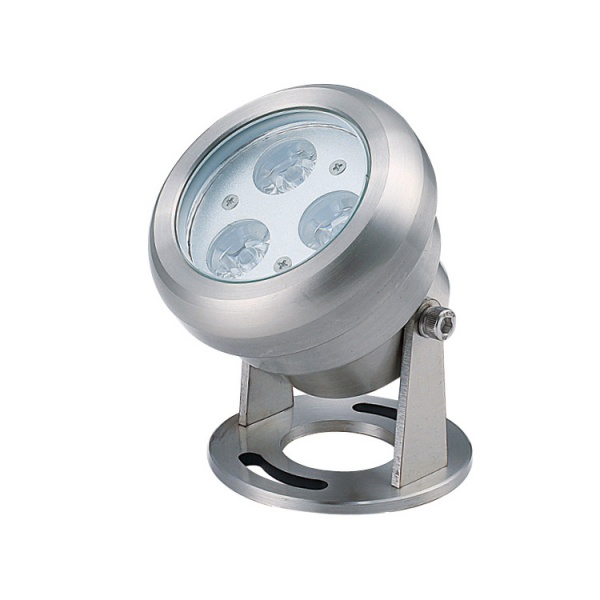
Jiangyin Hualan Art Museum Project | LED Mini Spotlights
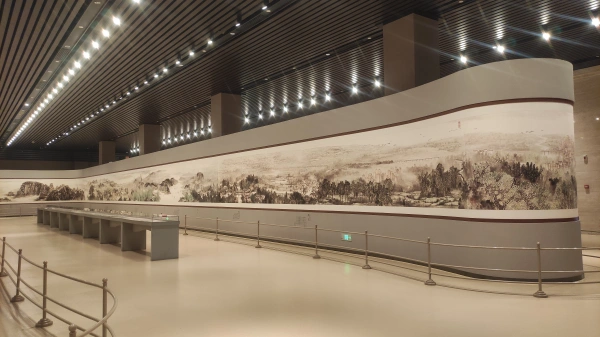
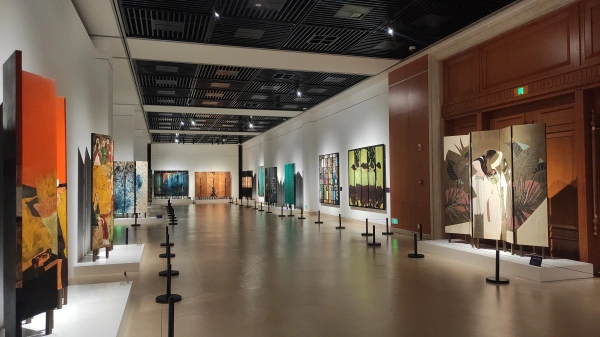
Jiangyin Hualan Art Museum Lighting Project – LED Cabinet Lights & Mini Spotlights
Project Overview
Project Name: Jiangyin Hualan Art Museum Lighting Project
Location: Jiangyin, Jiangsu, China
Project Type: Art Museum & Exhibition Display Lighting
Main Application: Museum Display Cabinet Lighting
Lighting Products: LED Cabinet Lights & Mini LED Spotlights
Lighting Focus: Precision Lighting, Exhibit Details and Visual Presentation
1. Project Background
Museum lighting plays an important role in how visitors experience art collections, cultural objects and historical exhibits.
For the Jiangyin Hualan Art Museum project, LED cabinet lights and mini spotlights were selected for the display lighting application.
Unlike general indoor lighting, museum display lighting requires more precise control over light distribution and fixture positioning. Each exhibit may have different dimensions, surface textures, colors and display arrangements.
The lighting system needs to provide focused illumination while maintaining a comfortable viewing environment.
By using compact LED cabinet lights and mini spotlights, the project focuses on integrating lighting into display cabinets and directing light toward the exhibits that need visual emphasis.
2. Lighting Requirements for Museum Display Cabinets
Museum display cabinets require more than basic illumination. The lighting arrangement should consider the characteristics of the displayed objects and the viewing experience of visitors.
Several important factors need to be considered.
A. Precise Illumination for Individual Exhibits
Different exhibits require different lighting positions and beam distributions.
Mini LED spotlights can direct light toward selected objects or specific display areas, helping reveal details that may otherwise be less visible.
This approach is particularly useful for display cabinets containing objects of different sizes and shapes.
B. Compact Lighting Integration
Display cabinets often have limited installation space.
Large lighting fixtures may interfere with the cabinet structure or affect the visual presentation of exhibits.
Compact LED cabinet lights and mini spotlights offer flexible installation possibilities for integrated display lighting designs.
C. Controlling Reflections and Glare
Glass display cabinets can produce reflections from both internal and external light sources.
Incorrect spotlight positioning may create distracting bright spots on glass surfaces or make exhibits difficult to view.
Therefore, beam angle, fixture position and aiming direction should be evaluated according to the actual cabinet structure.
D. Preserving the Visual Appearance of Exhibits
Different materials respond differently to light.
Painted surfaces, metal objects, ceramics, sculptures and other displayed materials may require different lighting approaches.
Appropriate color rendering and controlled illumination help visitors appreciate the original appearance and details of the exhibits.
For light-sensitive collections, the lighting designer should also consider illuminance limits, UV exposure, exposure duration and applicable museum conservation requirements.
3. LED Cabinet Lights & Mini Spotlights: The Lighting Solution
For the Jiangyin Hualan Art Museum project, LED cabinet lights and mini spotlights provide the main lighting direction for the display cabinet application.
A. LED Cabinet Lights for Integrated Display Lighting
LED cabinet lights can be incorporated into display cabinet structures to provide illumination within the exhibition space.
Their compact form makes them suitable for applications where lighting fixtures need to fit into limited cabinet installation areas.
Depending on cabinet design, they can be positioned to illuminate display shelves, exhibit backgrounds and selected display sections.
B. Mini LED Spotlights for Focused Exhibit Illumination
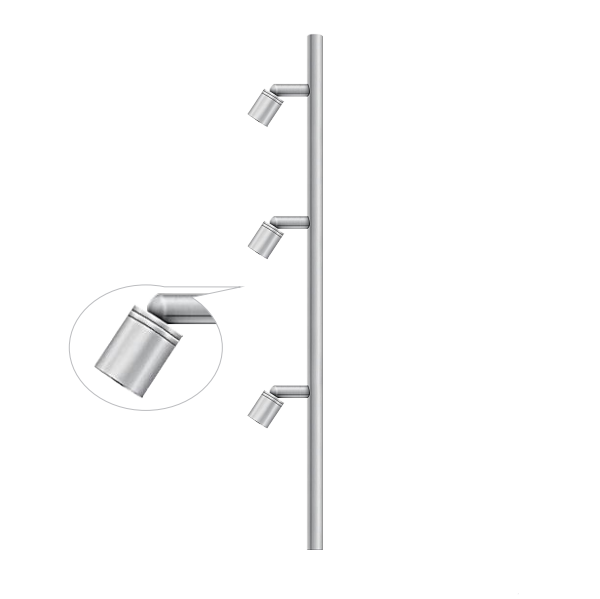
Mini LED spotlights are designed to concentrate light on specific display objects.
Compared with general cabinet illumination, spotlights provide greater flexibility when creating visual emphasis.
They can be considered for:
Highlighting individual exhibition objects.
Revealing surface textures and fine details.
Creating visual hierarchy between important and secondary exhibits.
Directing illumination toward selected areas within glass display cases.
The beam angle should be selected according to the size of the exhibit, mounting height and required lighting coverage.
C. Combining Cabinet Lights and Mini Spotlights
A combination of LED cabinet lights and mini spotlights can provide a more flexible lighting arrangement.
Cabinet lights can support the general illumination of display areas, while mini spotlights can emphasize selected exhibits.
This layered approach helps create visual depth and avoids relying on uniform lighting alone.
The final arrangement should be tested with the actual exhibits and cabinet materials to check for brightness balance, overlapping beams and unwanted reflections.
4. Why Are Mini LED Spotlights Suitable for Museum Display Cases?
Mini LED spotlights offer several advantages for professional exhibition lighting.
Compact Installation
Their small dimensions make them suitable for integration into display cabinets where installation space is limited.
Focused Light Distribution
Different beam angles can be selected to illuminate objects of different sizes and positions.
Flexible Lighting Layout
Fixtures can be arranged according to the location and visual importance of individual exhibits.
Energy-Efficient Operation
LED technology provides efficient lighting with relatively low power consumption compared with traditional lighting technologies.
Flexible Product Selection
Different power ratings, color temperatures, beam angles and installation methods can be evaluated according to the exhibition design.
For museums, however, lighting selection should not be based on appearance alone. Illuminance, color quality, UV output, thermal performance and conservation requirements should also be considered.
5. Important Technical Considerations for Museum Cabinet Lighting
For museum display lighting projects, the following technical parameters should be evaluated before finalizing the lighting configuration.
| Technical Factor | Why It Matters |
|---|---|
| CRI / Color Rendering | Helps reproduce exhibit colors more accurately |
| Color Temperature | Influences the visual appearance of exhibits |
| Beam Angle | Determines the illuminated area |
| Illuminance | Helps meet exhibit visibility and conservation requirements |
| Glare Control | Improves visitor viewing comfort |
| Fixture Size | Determines integration possibilities |
| Heat Management | Helps control temperature around displayed objects |
| UV Performance | Important for light-sensitive collections |
For sensitive artworks, paper, textiles and other vulnerable materials, the museum's conservation team should establish suitable illuminance and exposure limits before selecting the final lighting output.
6. LED Cabinet Lighting for Different Museum Exhibits
The same lighting arrangement may not be suitable for every type of museum collection.
Different exhibits may require different lighting strategies.
Cultural Artifacts
Focused mini spotlights can help reveal surface details and shapes, provided the illumination level is suitable for the object's material.
Sculptures and Three-Dimensional Objects
Directional lighting can create depth by emphasizing contours and surface textures. Multiple lighting directions may be considered to avoid excessive shadows.
Ceramic and Decorative Collections
Careful beam positioning helps highlight shapes, patterns and surface finishes while controlling unwanted reflections.
Historical Objects
Lighting levels should be determined according to the sensitivity of the materials and the museum's conservation requirements.
The final lighting design should balance exhibit visibility with long-term preservation.
7. Why Choose Always Lighting for Museum Display Cabinet Projects?
Always Lighting provides LED cabinet lighting products for museum showcases, art galleries, exhibition cabinets, jewelry displays and commercial display applications.
Our cabinet lighting product range includes:
LED Cabinet Spotlights
Mini Recessed LED Spotlights
LED Cabinet Linear Lights
LED Showcase Lighting
Customized Display Cabinet Lighting
We support distributors, display cabinet manufacturers, exhibition contractors and project integrators with product selection and OEM/ODM customization.
For museum and art gallery projects, we can evaluate suitable lighting fixtures according to cabinet dimensions, installation space, beam angles, color temperature and color rendering requirements.
Whether the project involves a single exhibition cabinet or a larger museum display system, Always Lighting can help identify suitable LED cabinet lighting options based on the project specifications.
8. Frequently Asked Questions
Q1: What type of LED lighting is suitable for museum display cabinets?
LED cabinet lights and mini LED spotlights are two common options. Cabinet lights can provide general display illumination, while mini spotlights can highlight individual exhibits and important details.
Q2: Why are mini LED spotlights used in museum showcases?
Mini LED spotlights are compact and provide focused light distribution. They can be integrated into display cabinets and positioned to illuminate selected objects without requiring large lighting fixtures.
Q3: How can glare be reduced in glass museum display cabinets?
Glare can be reduced by carefully selecting beam angles, adjusting spotlight positions, controlling brightness and evaluating reflections from normal visitor viewing positions.
Q4: What CRI is recommended for museum display lighting?
High CRI lighting, often Ra 90 or higher, can be considered when accurate color presentation is important. However, the final specification should also consider the exhibit materials, light sensitivity and conservation requirements.
Q5: Are LED mini spotlights suitable for historical artifact displays?
They can be suitable when the fixture's spectrum, UV output, illuminance and heat characteristics meet the conservation requirements of the displayed objects. The museum's conservation team should approve the final lighting arrangement.
Q6: Can Always Lighting customize LED cabinet lights for museum projects?
Yes. Always Lighting provides product selection and OEM/ODM customization options. Cabinet drawings, installation dimensions, required beam angles and lighting specifications can be used to evaluate suitable products.
Conclusion
The Jiangyin Hualan Art Museum project demonstrates the application of LED cabinet lights and mini spotlights in museum display cabinet lighting.
By using compact fixtures and focused illumination, museum display lighting can provide greater flexibility in presenting individual exhibits, highlighting important details and integrating lighting into showcase structures.
For museums, art galleries and exhibition cabinet manufacturers looking for compact LED display lighting, Always Lighting provides LED cabinet spotlights, mini recessed spotlights and customized cabinet lighting solutions.
Planning a museum display cabinet lighting project?
Contact Always Lighting with your cabinet drawings, exhibit dimensions and lighting requirements. Our team can help evaluate suitable LED mini spotlights and cabinet lighting products for your exhibition project.