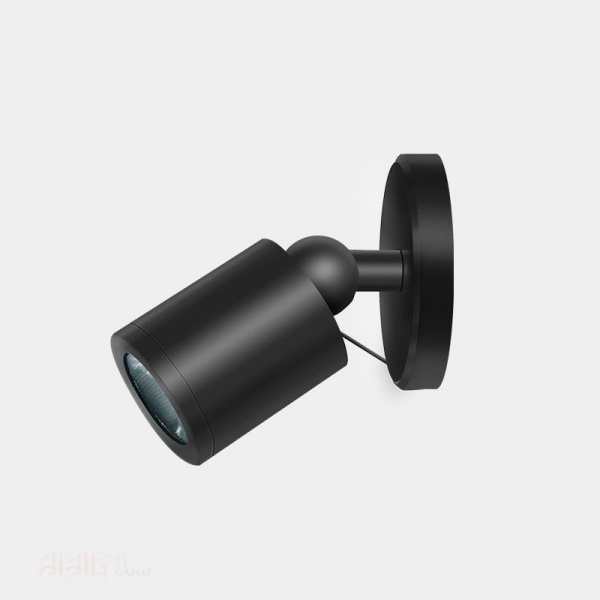
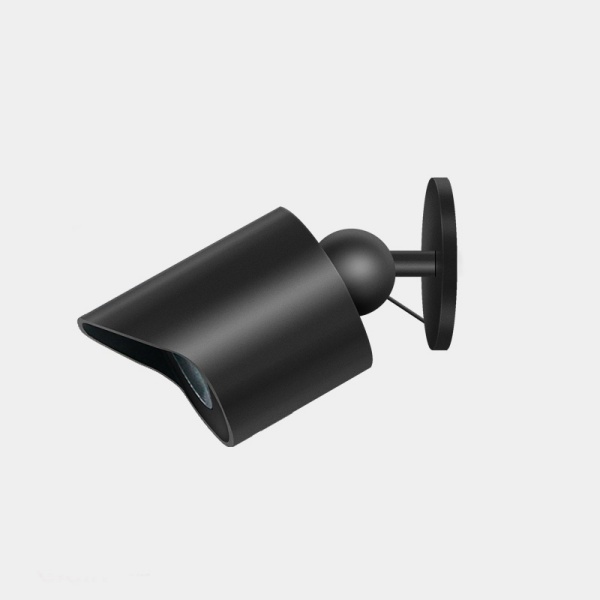
Model: LC7306C
Power:3W
Light Source: LED
CCT:3000-6000K
Beam Angle: 15°25°45°
Installation Way:Mounting plate
Luminous Flux: 150-180lm
Color Rendering Index: RA>80
Surface Color: Silver/Black
Input Parameter: DC2.7-3.2V/700mA
Model: LC7307C
Power:1W
Light Source: LED
CCT:3000-6000K
Beam Angle: 15°40°
Installation Way:Mounting plate
Luminous Flux: 80-100lm
Color Rendering Index: RA>80
Surface Color: Silver/Black
Input Parameter: DC2.7-3.2V/350mA
Museum Display Cabinet Lighting for Artifacts and Exhibitions
Museum Display Cabinet Lighting plays an important role in presenting artifacts, historical objects, collectibles, and exhibition items inside glass display cases. A well-planned lighting system helps visitors observe exhibit details while supporting the museum's requirements for visual comfort and collection preservation.
Museums and exhibition spaces have different lighting needs from ordinary retail stores. Some exhibits require careful control of illumination because they may be sensitive to visible light, ultraviolet radiation, or heat. Lighting design should therefore balance exhibit visibility, color appearance, glare control, and conservation requirements.
Always Lighting provides LED lighting solutions for display and cabinet applications. For museums, exhibition designers, display case manufacturers, lighting consultants, and project contractors, selecting suitable museum display lighting starts with understanding the exhibit materials, cabinet structure, viewing distance, and conservation requirements.
What Is Museum Display Cabinet Lighting?
Museum Display Cabinet Lighting refers to lighting designed for objects displayed inside museum cases, glass cabinets, exhibition units, and similar presentation environments.
These systems may be used to illuminate historical artifacts, sculptures, ceramics, decorative objects, coins, documents, collectibles, and other exhibits. The appropriate lighting method depends on the size, material, condition, and sensitivity of each object.
Unlike general room lighting, display case lighting directs attention toward specific exhibits. The lighting arrangement should provide adequate visibility while avoiding distracting reflections, harsh shadows, excessive brightness, and unnecessary exposure to light.
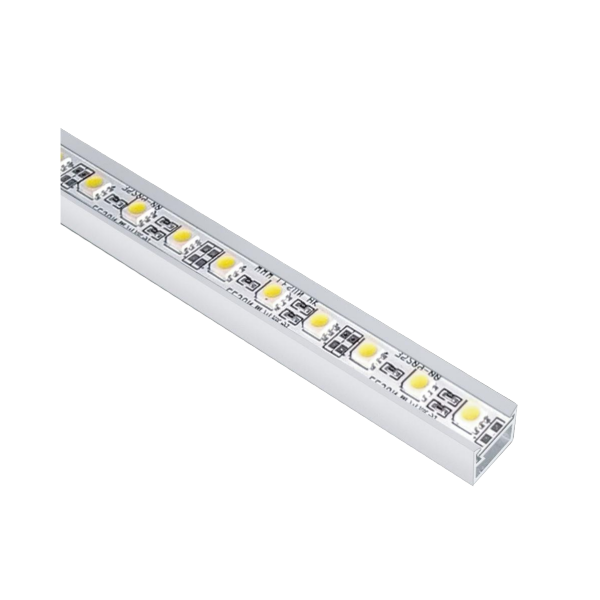
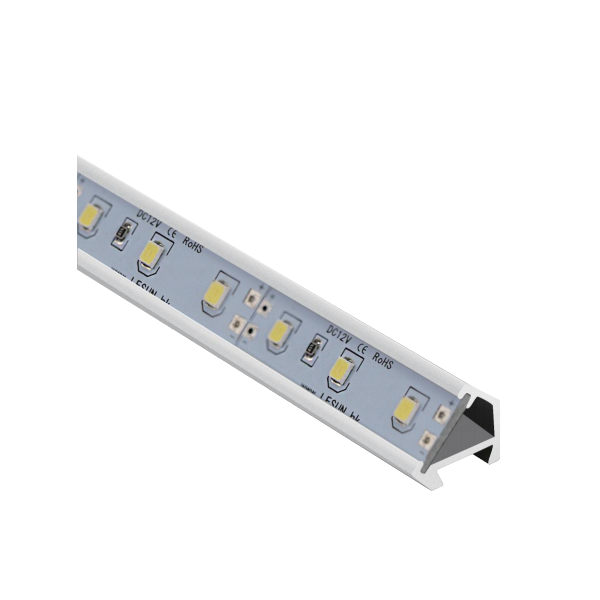
The final solution may use compact LED fixtures, linear cabinet lights, spotlights, or other suitable products, depending on the display design and verified product specifications.
Key Requirements for Museum Display Cabinet Lighting
1. Protect Light-Sensitive Exhibits
Some museum collections are sensitive to light exposure. Paper, textiles, photographs, manuscripts, certain pigments, and other light-sensitive materials may fade or deteriorate with cumulative exposure.
Before choosing a lighting product, identify the exhibit materials and follow the museum's conservation guidance. Appropriate illuminance limits and exposure duration should be established by the museum or its conservation specialist.
LED technology can help with lighting control, but using LED fixtures does not automatically make a system safe for every exhibit. Light output, spectrum, operating temperature, fixture position, and operating hours should all be considered.
2. Provide Clear and Comfortable Viewing
Museum visitors need to see exhibit details from normal viewing positions. Uneven brightness, deep shadows, and excessive contrast can make objects difficult to examine.
Lighting should be planned according to the cabinet dimensions, object position, viewing distance, and the visual characteristics of the exhibit. Multiple fixtures or a combination of linear and focused lighting may be considered when supported by the cabinet design.
The final arrangement should be tested from the visitor's viewpoint before installation.
3. Control Glare and Glass Reflections
Glass display cases can reflect light sources, nearby windows, ceiling lights, and surrounding objects. These reflections may obscure exhibit details or interfere with photography.
To reduce distracting reflections, review the fixture position, beam direction, viewing angle, glass arrangement, and ambient lighting. Optical accessories or alternative fixture positions may help, depending on the actual product design.
A sample installation or lighting mock-up is useful for identifying reflection problems before a museum project is completed.
4. Evaluate Color Rendering and Color Appearance
Color rendering affects how the colors and surface details of an exhibit appear under artificial lighting. This can be important for paintings, textiles, ceramics, decorative objects, and other exhibits where color accuracy matters.
When comparing lighting products, review the verified color rendering index (CRI), spectral characteristics, and available color temperature (CCT) options. The required performance depends on the exhibit and the museum's lighting specification.
For sensitive collections, color rendering should be considered alongside conservation requirements rather than treated as the only selection criterion.
5. Consider Heat and Ultraviolet Radiation
Excessive heat and unwanted ultraviolet exposure can create risks for certain collections. Museum lighting should be assessed for radiant heat, fixture temperature, spectral output, and the distance between the light source and the exhibit.
LED fixtures often offer useful design options for display lighting, but their actual suitability must be confirmed using technical data and project-specific evaluation.
For sensitive exhibits, consult the museum's conservator or lighting specialist when establishing the acceptable exposure conditions.
Applications of Museum Display Cabinet Lighting
Historical Artifacts and Cultural Objects
Historical artifacts may include metal objects, ceramics, stone pieces, ornaments, and objects made from mixed materials. Lighting should provide clear viewing while respecting the conservation requirements of each object.
Documents, Manuscripts, and Textiles
Paper, historical documents, manuscripts, photographs, and textiles may be particularly sensitive to cumulative light exposure. The museum should determine appropriate illuminance levels and display duration before selecting the lighting system.
Collectibles and Specialty Exhibitions
Coins, medals, decorative objects, scientific specimens, and other collectibles may benefit from controlled display lighting that highlights their shape, texture, and details.
The beam distribution should be selected according to the size of each item and the cabinet arrangement.
Glass Display Cases and Exhibition Cabinets
Museum cases may include glass shelves, enclosed cabinets, wall-mounted displays, or custom exhibition furniture. The lighting product must fit the available space and meet the required mounting and electrical specifications.
For custom display case projects, confirm the fixture dimensions and installation details before manufacturing the cabinet.
LED Museum Display Cabinet Lighting for Museum Projects
Museum display lighting projects may involve museum operators, exhibition designers, lighting consultants, display cabinet manufacturers, and specialist contractors.
Before selecting products, the project team should establish the exhibit types, cabinet dimensions, required illuminance, color-quality expectations, control requirements, and installation constraints.
Suppliers should provide the applicable product datasheets, electrical specifications, dimensions, mounting information, and available photometric data. Where relevant, the project team may also request spectral information and evidence concerning ultraviolet output.
For custom exhibitions, a lighting mock-up can help evaluate glare, shadows, color appearance, and visitor viewing angles before the final installation.
Always Lighting welcomes inquiries from international project buyers, display case manufacturers, and commercial lighting distributors seeking LED display lighting solutions. Product selection should be based on verified specifications and the museum's project requirements.
Frequently Asked Questions
What is museum display cabinet lighting?
Museum display cabinet lighting is used to illuminate artifacts, collectibles, and exhibition objects inside glass cases and display cabinets. A suitable system helps visitors view the exhibits while addressing glare, color appearance, and collection preservation requirements.
Is LED lighting suitable for museum display cases?
LED lighting can be suitable for many museum display applications. However, the actual fixture and lighting design must be evaluated for light output, spectrum, heat, illuminance, and the sensitivity of the displayed objects.
What illuminance level is appropriate for museum artifacts?
There is no single illuminance level suitable for every exhibit. Requirements depend on the material, condition, conservation policy, and exposure duration. The museum's conservator or lighting specialist should establish the appropriate limits.
How can museum display lighting reduce reflections on glass?
Review the fixture position, beam direction, visitor viewing angles, and ambient light sources. Testing a sample arrangement can help identify reflections that obscure exhibit details.
What CRI is recommended for museum display cabinet lighting?
The appropriate CRI depends on the exhibit and the project's color-rendering requirements. Verify the product's actual CRI and, where necessary, additional spectral or color-quality data. Color rendering must be considered alongside conservation needs.
What information should I request from a museum lighting supplier?
Request the product datasheet, dimensions, rated power, lumen output, CRI, CCT, beam angle, electrical requirements, mounting details, and available photometric or spectral data relevant to the project.
Can Always Lighting support museum display lighting projects?
Contact Always Lighting with your exhibit type, cabinet drawings, required lighting effect, estimated quantity, and project specifications. Our team can review the application and provide information about suitable available products.
Contact Always Lighting
Planning lighting for a museum display cabinet, artifact showcase, exhibition case, or cultural collection project?
Contact Always Lighting to discuss your display requirements, review available LED lighting options, and request product specifications for your project.