jewelry display cabinet lighting LED Cabinet Lighting Manufacturer
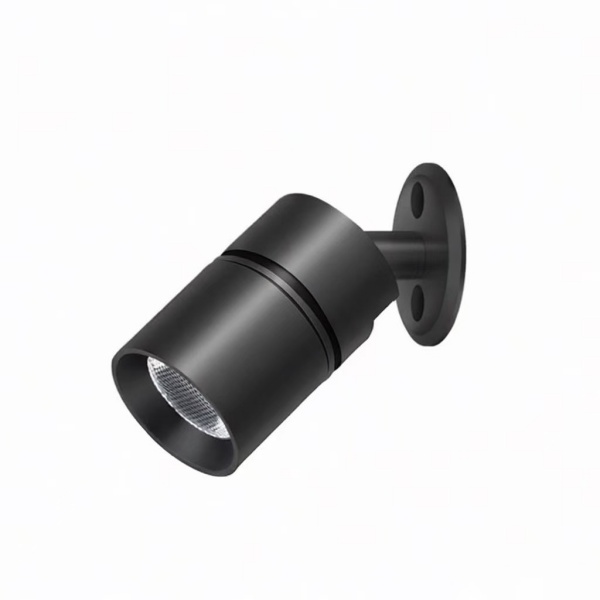
- 1. This product adopts 6003-T5 precision aluminum material processing, with excellent thermal conductivity effect.
- 2. the appearance of anodic oxidation treatment, no color, no fade.
- 3. lamp beads using"OSRAM"imported light source, high light efficiency, high finger.
- 4. exquisite appearance, compact, lamp cap can be separated.
| Model | JX2014 |
| Power | 3W |
| Light Source | OSRAM(3030) |
| CCT | 3000-6000K |
| Beam Angle | 15°/25°/45° |
| Luminous Fiux | 150-180lm |
| CRI | Ra>80 |
| Surface Color | Black/Sliver |
| Input Parameter | DC3V/700mA |
| installation | Installation disk |
Jewelry Display Cabinet Lighting for Jewelry Stores
Jewelry display cabinet lighting plays an important role in presenting gold jewelry, diamonds, gemstones, watches and other valuable products. The right lighting helps highlight product details, reveal surface finishes and create an attractive visual presentation for jewelry stores and retail showrooms.
For jewelry retailers, lighting selection involves more than choosing a bright LED fixture. Color rendering, color temperature, beam angle, brightness, fixture position and reflections from glass all influence how jewelry appears to customers.
Always Lighting provides LED lighting solutions for jewelry display cabinets, gold shop showcases, retail counters and commercial display projects. Depending on the selected model, lighting options can be evaluated for different cabinet structures, product types and installation requirements.
Whether you are opening a new jewelry store, upgrading existing display cabinets or manufacturing custom jewelry showcases, a well-planned lighting solution can help create a consistent and professional retail environment.
Why Is Jewelry Display Cabinet Lighting Important?
Jewelry includes materials with different colors, reflective properties and surface finishes. Gold, silver, diamonds, colored gemstones and polished watches do not respond to light in exactly the same way.
Suitable display lighting can help customers see these differences more clearly. It can also create visual emphasis on selected products without making the entire cabinet appear excessively bright.
A successful jewelry lighting design should balance product visibility, color presentation, sparkle, glare control and the overall appearance of the store.
Key Factors in Choosing Jewelry Display Cabinet Lighting
1. High CRI for Jewelry Color Rendering
Color rendering is an important consideration when selecting LED lights for jewelry showcases. The Color Rendering Index (CRI) indicates how a light source renders colors compared with a reference light source under defined conditions.
For gold jewelry, gemstones, colored diamonds and watches, color appearance may influence how customers evaluate a product. Buyers should select a suitable CRI specification and confirm the actual value in the manufacturer's technical datasheet.
For color-critical projects, ask whether additional data, such as R9 or TM-30 measurements, is available.
CRI and color temperature describe different properties. CRI relates to color rendering, while color temperature describes whether the light appears warm, neutral or cool.
2. Suitable Color Temperature for Gold and Diamond Displays
Color temperature affects the visual atmosphere of a jewelry showcase.
Warm white light can create a warm, inviting appearance for gold jewelry and luxury retail interiors. Neutral white light may suit contemporary jewelry displays where a more balanced white appearance is preferred.
The best choice depends on the jewelry materials, store design, surrounding ambient lighting and the retailer's presentation goals.
For mixed displays containing gold, silver, diamonds and colored gemstones, test the proposed lighting with the actual merchandise before making a final decision.
3. Beam Angle and Light Distribution
Beam angle determines how broadly light spreads from a fixture. It affects whether a spotlight creates a concentrated accent or illuminates a larger display area.
Narrower beams can emphasize individual rings, necklaces or featured items. Wider beams may be more suitable for larger display areas or more uniform illumination.
The appropriate beam angle depends on fixture height, product position, cabinet dimensions and the desired lighting effect. Avoid choosing a beam angle based only on the product name or wattage.
4. Brightness and Glare Control
More brightness does not always produce a better jewelry display. Excessive or poorly directed light can create distracting reflections on glass, polished metal and gemstone surfaces.
When planning cabinet lighting, consider the distance between the fixture and the jewelry, the viewing angle of customers, the surrounding ambient light and the reflectivity of the cabinet materials.
Test the lighting from normal customer viewing positions to identify unwanted glare or uneven brightness.
5. Compact Fixtures for Jewelry Showcases
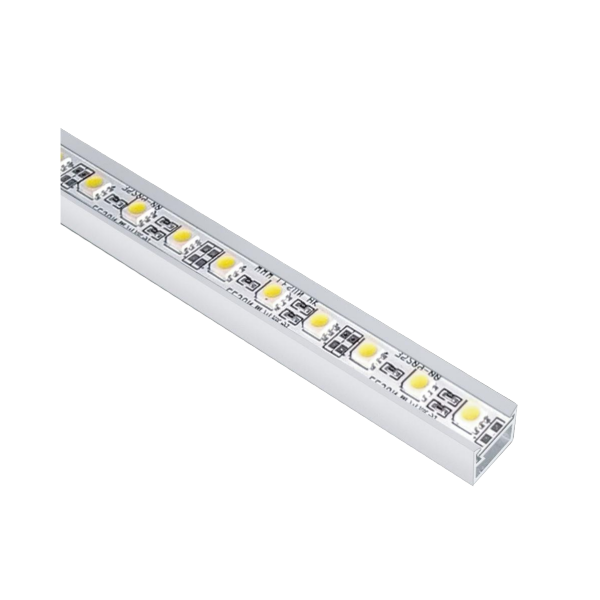
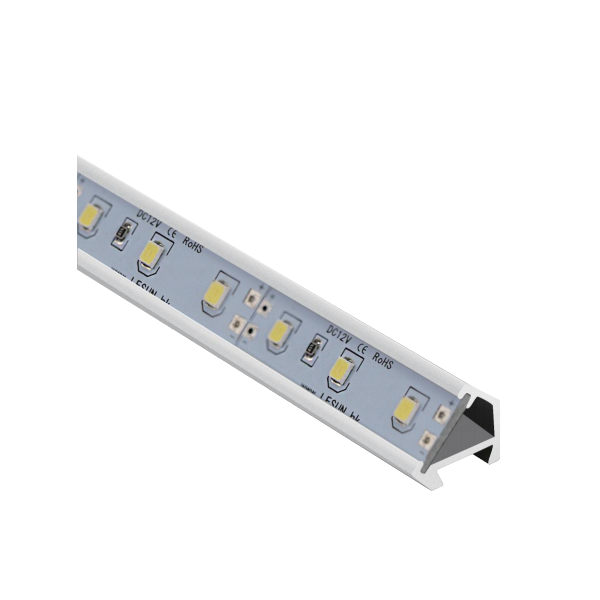
Jewelry display cabinets often have limited space for lighting fixtures, cables and drivers. Compact LED cabinet lights, mini LED spotlights, linear cabinet lights and showcase gantry lights may be considered for different cabinet designs.
The correct fixture depends on the available mounting space, cabinet structure, maintenance access and desired lighting effect.
Always confirm the actual fixture dimensions, mounting method and electrical requirements before installation.
Types of LED Lighting for Jewelry Display Cabinets
Mini LED Spotlights
Mini LED spotlights provide focused accent lighting for individual products or selected areas within a showcase. They may be suitable for rings, earrings, necklaces, watches and other featured merchandise.
When selecting mini spotlights, check the beam angle, fixture dimensions, color-rendering specifications and mounting requirements.
LED Cabinet Linear Lights
LED cabinet linear lights can provide more continuous illumination along shelves or cabinet structures. They may be suitable for displays that require a consistent line of light rather than isolated points of illumination.
Check the actual light distribution and installation method to determine whether the selected model meets the cabinet's requirements.
LED Showcase Spotlights
LED showcase spotlights are designed to emphasize particular products or display areas. They can be used where visual emphasis is required, provided the fixture position and beam angle are appropriate.
LED Showcase Gantry Lights
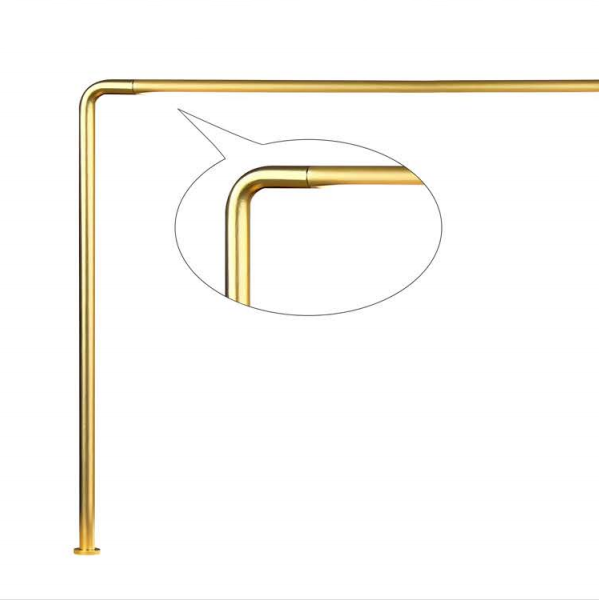
Gantry-style lighting may be integrated into a showcase's upper frame or support structure, depending on the cabinet design and selected product. It can provide lighting from an elevated position while keeping the lighting arrangement coordinated with the cabinet structure.
Confirm compatibility with the actual showcase design before specifying the product.
Jewelry Display Cabinet Lighting for Different Applications
Gold Shop Display Cabinets
Gold shop lighting should consider the appearance of gold surfaces, cabinet glass, customer viewing angles and the store's overall lighting environment.
Suitable color rendering and color temperature can help create a consistent presentation across multiple showcases. For large retail chains or stores with many cabinets, specifying consistent lighting products can also simplify purchasing and replacement planning.
Diamond and Gemstone Showcases
Diamond and gemstone displays often require carefully controlled accent lighting to highlight facets and surface details. Beam angle, light position and viewing angle can influence the appearance of the stones.
The lighting effect should be evaluated using the actual merchandise. Avoid assuming that one color temperature or beam angle is ideal for every gemstone.
Watch Display Cabinets
Watch displays combine reflective metal, glass, dials and fine details. Lighting should reveal product features while limiting distracting reflections on the watch face and cabinet glass.
A combination of suitable accent lighting and balanced general illumination may be considered, depending on the display design.
Luxury Jewelry Store Counters
Jewelry counters are often viewed from several directions and at different distances. Lighting design should consider the entire customer viewing experience, not only how the products look from directly above.
Check brightness uniformity, fixture visibility, glare and the consistency of the lighting across adjacent counters.
Jewelry Showcase Manufacturers
Display cabinet manufacturers need lighting components that fit the cabinet structure and can be integrated into the production process.
Important purchasing considerations include fixture dimensions, mounting details, cable routing, driver placement, available color temperatures, technical documentation and sample evaluation.
How to Plan Lighting for a Jewelry Display Cabinet
A practical lighting plan begins with the cabinet design and the products being displayed.
Step 1: Identify the jewelry category. Determine whether the cabinet will display gold, silver, diamonds, colored gemstones, watches or a combination of products.
Step 2: Measure the cabinet. Record cabinet dimensions, shelf positions, mounting space and customer viewing angles.
Step 3: Select the lighting type. Consider mini spotlights for focused accents, linear lights for more continuous illumination, or a combination of fixtures where appropriate.
Step 4: Define the lighting specifications. Confirm CRI, color temperature, brightness, beam angle, input voltage and driver requirements based on the project.
Step 5: Test for reflections and visual balance. Evaluate the lighting with the actual jewelry and cabinet glass from normal viewing positions.
Step 6: Confirm the final configuration. Review technical data, mounting details, wiring and sample performance before bulk ordering.
How to Choose a Jewelry Display Cabinet Lighting Supplier
For jewelry store projects and showcase production, buyers should evaluate both product suitability and the supplier's ability to provide clear technical information.
Before purchasing, request:
Product specifications and model numbers
Actual fixture dimensions and mounting details
Verified CRI and available color-rendering data
Available color temperatures and beam angles
Input voltage and driver information
Product photos and installation references
Sample availability and quotation details
Relevant certifications or test documents, where applicable
For large projects, also confirm product consistency, estimated lead time, packaging requirements and the availability of replacement products.
Always Lighting supports commercial buyers evaluating LED lighting options for jewelry displays, retail showcases and customized cabinet lighting applications. The available specifications and customization options depend on the selected model.
Frequently Asked Questions
What is the best lighting for jewelry display cabinets?
The best option depends on the jewelry, cabinet structure and desired visual effect. Consider color rendering, color temperature, brightness, beam angle, glare control and installation space together.
Is high CRI lighting important for jewelry showcases?
High CRI lighting can be beneficial when accurate color presentation is important. Verify the actual CRI value in the product datasheet and consider additional color-rendering data for demanding applications.
Which color temperature is suitable for gold jewelry?
Warm white may create an inviting appearance for gold jewelry, while neutral white may suit other retail designs. Test the proposed lighting with the actual merchandise before deciding.
Are mini LED spotlights suitable for jewelry display cabinets?
Yes, suitable mini LED spotlights can provide focused accent lighting for rings, necklaces, watches and other featured items. Check fixture dimensions, beam angle and mounting requirements.
How can I reduce reflections on jewelry showcase glass?
Review the fixture position, beam direction, cabinet glass and customer viewing angles. Testing the lighting from normal viewing positions can help identify and reduce distracting reflections.
Can LED cabinet lights be customized for jewelry showcases?
Customization depends on the selected model and the supplier's available options. Provide cabinet drawings, required dimensions, lighting specifications and estimated quantity to discuss suitable configurations.
What should I provide when requesting a quotation?
Provide the application, cabinet dimensions, required CRI and color temperature, desired lighting effect, input voltage, quantity and any available drawings or reference photos.
Contact Always Lighting for Jewelry Display Cabinet Lighting
Looking for LED lighting for jewelry display cabinets, gold shop showcases, diamond displays or watch cabinets?
Contact Always Lighting with your cabinet design, application details and required specifications. Our team can help you review suitable lighting options and confirm model-specific technical information for your project.
Request product information, technical specifications or a quotation for your jewelry display cabinet lighting project.