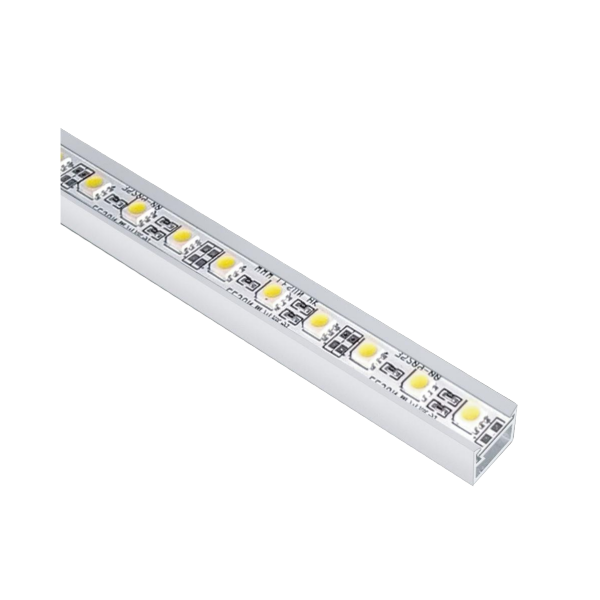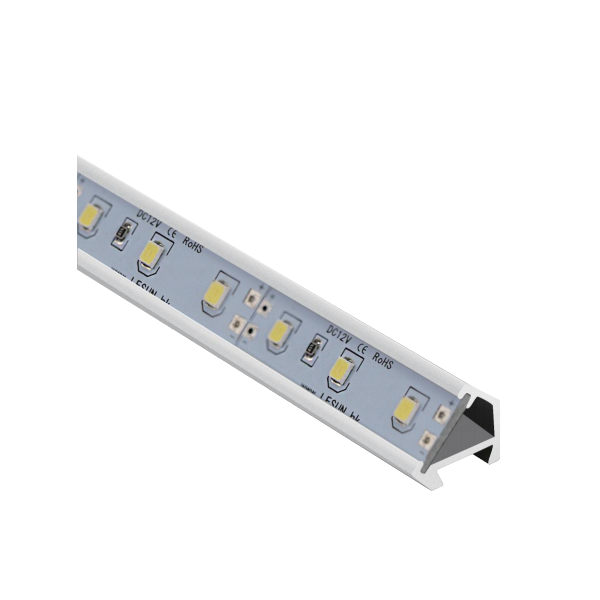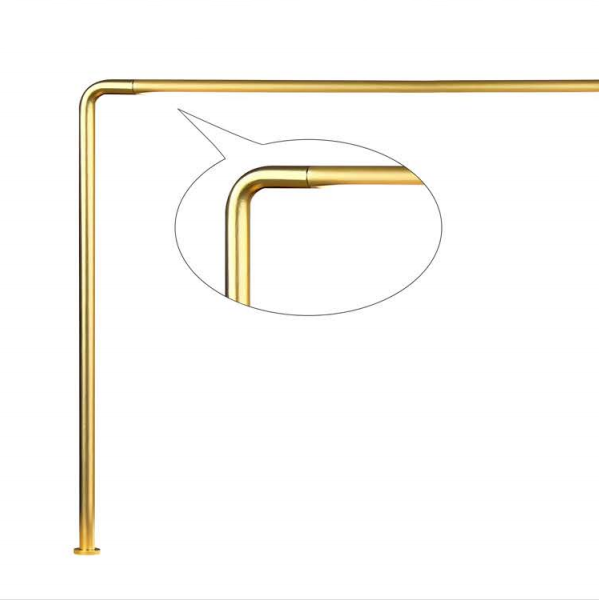
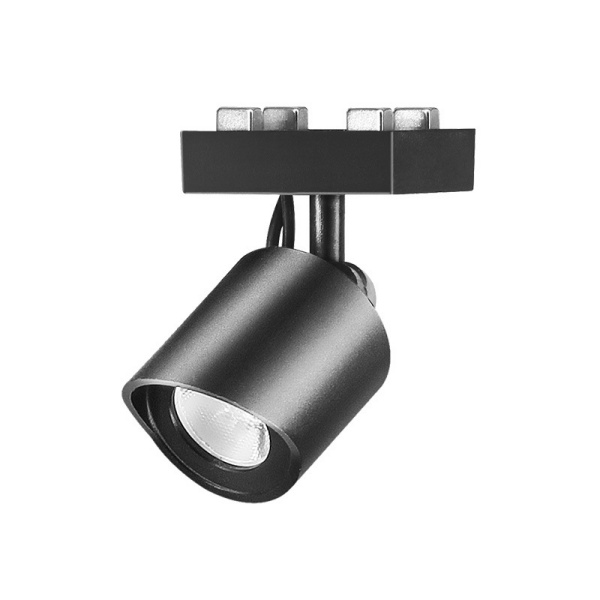
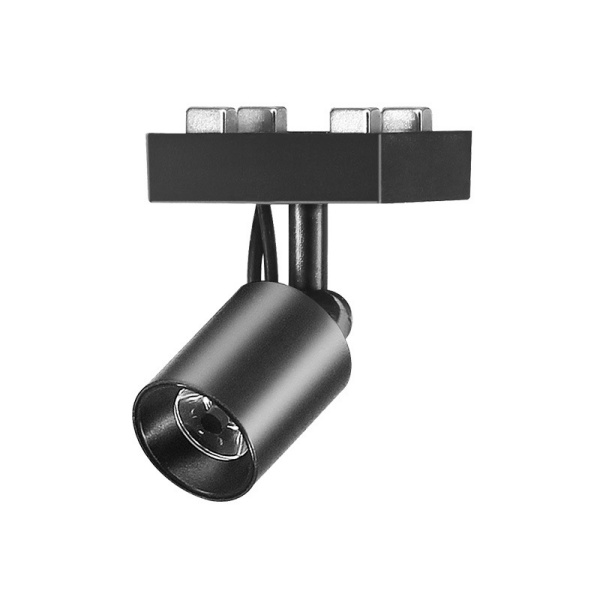
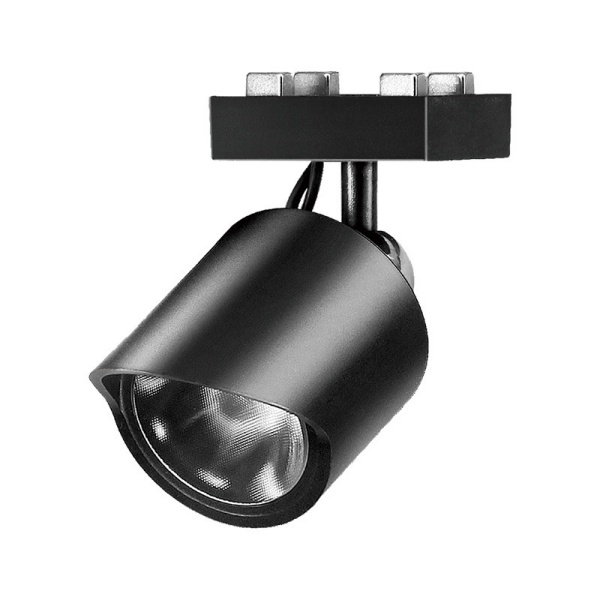
Model: W607
Power:3-5W/PCS
Light Source: LED
CCT:3000-6000K
Beam Angle: 15°30°45°
Luminous Flux: 100lm-200lm/PCS
Color Rendering Index: RA>80
Surface Color: Silver/Black
Input Parameter: DC12V/24V
Display Cabinet Lighting Systems for Retail and Commercial Applications
Integrated LED Lighting Solutions for Showcases, Shelves and Display Cabinets
Display cabinet lighting systems help businesses present products clearly, highlight important details and create a consistent visual experience. They are widely used in jewelry stores, retail shops, commercial showrooms, glass display cabinets, exhibition spaces and product presentation areas.
Always Lighting provides LED lighting solutions for display cabinets, showcases and commercial applications. Our product range can be evaluated by display cabinet manufacturers, lighting distributors, retail contractors, interior designers and commercial project buyers.
A complete display cabinet lighting system involves more than selecting a single light fixture. The lighting type, fixture position, power supply, wiring arrangement, cabinet structure and desired lighting effect must work together.
Whether you are designing a new jewelry showcase, manufacturing retail cabinets or planning lighting for a commercial showroom, selecting compatible components early can help simplify installation and improve the consistency of the final display.
What Is a Display Cabinet Lighting System?
A display cabinet lighting system is an arrangement of lighting fixtures and supporting electrical components designed to illuminate merchandise inside or around a display cabinet.
Depending on the application, the system may include LED spotlights, linear cabinet lights, drivers, wiring, connectors and compatible lighting controls. Not every installation requires all these components; the final configuration depends on the selected products and project requirements.
Common lighting components include:
LED cabinet spotlights: Provide focused illumination for selected products or small display areas.
Mini recessed LED spotlights: Integrate into cabinet panels where the mounting depth and cutout are suitable.
LED cabinet linear lights: Illuminate longer shelves, cabinet edges and display sections.
LED showcase lights: Provide lighting for glass display cases and product presentation counters.
Drivers and power supplies: Provide the electrical output required by compatible lighting fixtures.
Connectors and wiring: Connect fixtures according to the approved electrical design.
Lighting controls: Where supported, dimming or other control components can help manage lighting scenes.
All components should be checked for electrical and mechanical compatibility before installation.
Types of Display Cabinet Lighting Systems
1. LED Spotlight Systems
Spotlight-based systems are designed to direct light toward individual products or selected display areas.
They can be considered for jewelry, watches, collectibles, premium accessories and other merchandise that benefits from focused illumination. The beam angle, mounting position and distance from the product affect the final lighting result.
Compact recessed spotlights may be suitable for cabinets with sufficient installation space, while other spotlight designs may suit different cabinet structures.
2. Linear LED Cabinet Lighting Systems
Linear lighting systems use elongated fixtures to illuminate shelves, cabinet edges or longer display sections.
They can help provide more continuous illumination than individual accent spotlights, depending on fixture spacing, optical design and installation position. Linear lighting is commonly considered for retail shelves, glass showcases and commercial display counters.
When selecting a linear fixture, confirm its length, mounting method, power requirements, connection arrangement and compatibility with the cabinet design.
3. Combined Spotlight and Linear Lighting Systems
Some display cabinets benefit from a combination of spotlights and linear lights.
For example, linear lighting may provide general illumination across a shelf, while spotlights emphasize selected products. This combination can help create visual contrast without relying on one type of fixture for every lighting task.
The final balance depends on the merchandise, cabinet dimensions, ambient lighting and desired visual effect.
4. Recessed Cabinet Lighting Systems
Recessed systems integrate lighting fixtures into cabinet panels or other suitable structures. This can create a clean appearance with less visible fixture hardware.
Recessed installation requires careful planning. Check the fixture cutout, mounting depth, panel material, wiring path and maintenance access before manufacturing the cabinet.
5. Surface-Mounted Cabinet Lighting Systems
Surface-mounted fixtures may be considered when recessed installation is impractical or when the cabinet structure does not provide sufficient mounting depth.
The selected fixture should be positioned to provide suitable illumination without obstructing the products or creating distracting reflections.
Applications of Display Cabinet Lighting Systems
Jewelry Stores and Gold Shops
Jewelry display cabinets require lighting that presents rings, necklaces, bracelets, gold jewelry and gemstones attractively.
A suitable system may combine compact spotlights and linear cabinet lights, depending on the showcase design. Color rendering, color temperature, beam angle and glare control should be evaluated with the actual merchandise.
Watch and Luxury Goods Displays
Watch showcases and luxury retail displays often require controlled accent lighting to emphasize product details and finishes.
Spotlights can help draw attention to selected items, while linear lights may provide continuous illumination along longer display sections. The layout should account for reflections on glass and polished surfaces.
Cosmetics and Beauty Retail
Cosmetics displays contain products with different packaging colors, finishes and surface materials. A suitable cabinet lighting system should provide consistent product presentation and coordinate with the store's wider lighting design.
Color rendering, color temperature, fixture spacing and brightness should be reviewed according to the brand's requirements.
Electronics and Product Showrooms
Mobile phones, cameras, headphones and other electronic products may be displayed on shelves, counters or within glass cabinets.
Lighting should make the products visible while limiting distracting reflections on glossy surfaces and screens. The selected fixture type should match the cabinet layout and the required lighting effect.
Commercial Exhibition and Display Cabinets
Commercial exhibitions, brand showrooms and product presentation spaces may use multiple display cabinets with repeated designs.
Standardizing fixture models and installation details can help maintain consistency across the project and simplify procurement, installation and replacement.
For light-sensitive objects such as certain artworks, historical materials or documents, exposure limits should be determined with the relevant conservation specialist.
How to Design a Display Cabinet Lighting System
1. Define the Display Requirements
Start by identifying the products, cabinet dimensions, viewing angles and intended visual effect.
A jewelry cabinet may require accent lighting, while a long commercial shelf may benefit from continuous linear illumination. The design should reflect the application rather than using the same configuration for every cabinet.
2. Select the Appropriate Fixture Types
Choose between spotlights, linear lights, recessed fixtures or a combination of products.
Consider fixture size, mounting method, light distribution and installation space. For custom cabinets, confirm the required dimensions before cutting panels or completing the cabinet structure.
3. Determine Brightness and Beam Distribution
Review lumen output, beam angle and mounting distance when evaluating lighting performance.
Wattage alone does not indicate the amount of light reaching the product. The final result also depends on optical design, cabinet geometry and ambient lighting.
4. Select CRI and Color Temperature
Color rendering and color temperature influence the appearance of merchandise.
Choose specifications that suit the products and brand presentation. Where color accuracy is particularly important, request verified product data and test a sample under the intended lighting conditions.
5. Plan the Power Supply and Wiring
Confirm the input voltage, driver output, connection method and total electrical load for the selected fixtures.
For systems with multiple lights, the wiring and power arrangement must follow the product specifications and electrical design. Do not assume that fixtures from different models can share the same driver or power supply.
6. Consider Installation and Maintenance
Plan cable routes, driver locations and access for maintenance before final assembly.
Ensure the cabinet structure provides the required mounting space and any specified thermal clearance. Follow the manufacturer's installation instructions and applicable electrical requirements.
7. Test the Complete System
Before installing lighting across an entire store or production batch, test a representative cabinet where possible.
Evaluate brightness, product appearance, beam coverage, glare, reflections and the consistency between fixtures. Adjust the layout or product selection when the test reveals issues.
How to Choose a Display Cabinet Lighting System Supplier
For wholesalers, cabinet manufacturers and commercial contractors, a supplier should be able to clarify the specifications of the selected products and help coordinate requirements for the intended application.
When evaluating a supplier, consider the following:
Product datasheets and installation drawings
Fixture dimensions and mounting requirements
Rated wattage and available lumen output
CRI, color temperature and beam angle
Driver, wiring and electrical compatibility
Available product models and configurations
Sample evaluation and project coordination
Quotation, lead time and applicable warranty terms
Customization, technical documentation, certifications and warranty coverage should be confirmed for the specific product and order rather than assumed for the entire product range.
Why Work with Always Lighting?
Always Lighting provides LED lighting solutions for display cabinets, showcases and commercial applications.
Our product range can be evaluated for jewelry stores, retail shelves, glass display cabinets, showrooms and other product presentation environments. We work with customers who need to review suitable lighting fixtures according to their application and project requirements.
For a display cabinet lighting system project, customers can share cabinet drawings, reference photographs, required specifications and estimated quantities. These details help the team review possible fixture options and confirm the relevant technical information.
Product availability, electrical compatibility, customization options, documentation, warranty terms and supply conditions should be verified for the selected model.
Request a Display Cabinet Lighting System Solution
Are you planning a display cabinet project for a jewelry store, retail showroom, commercial space or cabinet manufacturing line?
To help evaluate a suitable lighting system, please provide:
Application and type of merchandise
Cabinet dimensions and construction
Preferred fixture types and installation method
Required brightness, CRI and color temperature
Beam angle or desired lighting effect
Input voltage, driver and control requirements
Estimated quantity and project timeline
Cabinet drawings or reference photographs
Contact Always Lighting to discuss your requirements and request product specifications, technical information and a quotation for your project.
Frequently Asked Questions
What is included in a display cabinet lighting system?
Depending on the design, a system may include LED spotlights, linear cabinet lights, compatible drivers, wiring, connectors and lighting controls. The actual components depend on the selected fixtures and project requirements.
Which lighting system is best for a jewelry display cabinet?
The right system depends on the jewelry, cabinet design and desired lighting effect. Spotlights can emphasize individual products, while linear lights may provide more continuous illumination. A combined system can be evaluated when both effects are required.
What is the difference between spotlight and linear cabinet lighting?
Spotlights generally concentrate light on a smaller area, while linear lights are designed to illuminate longer sections. Beam angle, fixture spacing and mounting position affect the actual result.
Can I combine different LED cabinet lights in one system?
Different fixture types can sometimes be combined, but their electrical and control compatibility must be verified. Check the required driver output, input voltage, connection method and dimming compatibility before installation.
How do I avoid glare and reflections in a glass display cabinet?
Consider fixture position, beam direction, glass orientation, ambient lighting and customer viewing angles. Test the complete arrangement from normal viewing positions before finalizing the design.
What information should I provide when requesting a quotation?
Provide the cabinet dimensions, application, required lighting effect, fixture preferences, electrical requirements and estimated quantity. Drawings and photographs help clarify the installation conditions.
Can display cabinet lighting systems be supplied for bulk projects?
Supply arrangements depend on the selected products, order quantity and project requirements. Contact Always Lighting to discuss model selection, specifications, pricing and lead time.