
- 22 Oct 2026
SABER and ECAS: What Saudi and UAE Buyers Must Check Before Ordering LED Lights from China
Every season, finished LED lighting shipments sit in Gulf warehouses — or worse, at the port — not because the fittings failed inspection, but because the conformity paperwork started after production, not before it. The goods are fine. The certificates either don't exist, name the wrong models, or belong to somebody else.
Both Saudi Arabia and the UAE run conformity schemes that are decided long before a container is loaded. Neither scheme can be fixed at the clearance stage: if the scope is wrong, the production run itself is wrong. This article covers conformity only — for the commercial steps around samples, IES files, MOQ and OEM terms, see our broader checklist for importing LED lighting from China.
Saudi Arabia: SABER in Plain Terms
Saudi Arabia runs its product safety programme, SALEEM, through SABER, an online platform operated by SASO (the Saudi Standards, Metrology and Quality Organization) and linked to the FASAH customs system. Lighting products fall under SASO's technical regulation for lighting, and regulated models need two certificates, in this order:
Product Certificate of Conformity (PCoC). Issued per model, normally valid for one year. It certifies that the model meets the applicable technical regulation. Without a valid PCoC, nothing else moves.
Shipment Certificate of Conformity (SCoC). Issued per consignment, and only against an existing valid PCoC. Customs will not release a shipment of regulated products without one.
The point buyers most often miss: the applicant is the Saudi importer. Only a company holding a Saudi commercial registration can open a SABER account, register products and request certificates. The importer selects a SASO-approved conformity assessment body (CAB), which reviews the documents and issues the certificates. A Chinese factory cannot “give you SABER.” It can only give you the test reports and product documents your application needs — which is why the document check belongs before the deposit, not after the goods land.
Lighting carries two extra layers. Luminaires, control gear and lamp holders sit on the SASO IECEE recognition list: the model typically needs an IECEE Recognition Certificate built on a CB test report and CB certificate from an IECEE-recognised body, tested to the IEC 60598 family with Saudi national differences covered. In-scope lamps and luminaires also need energy-efficiency registration (EER) under standards such as SASO 2870 for light sources and SASO 2902 for luminaires, and a RoHS technical regulation is administered through the same platform. Key components count too — the LED driver inside the fitting needs its own CB evidence.
The UAE: ECAS in Plain Terms
The UAE runs ECAS, the Emirates Conformity Assessment Scheme, administered by MoIAT (the Ministry of Industry and Advanced Technology, which absorbed the former authority ESMA). Lighting fixtures are regulated products under ECAS, alongside low-voltage equipment and RoHS.
The ECAS Certificate of Conformity is issued per model and is valid for one year, renewable. Alongside it sits the Emirates Quality Mark (EQM), a fuller licensing scheme — valid for three years — under which the product complies with the applicable standards and the manufacturer runs a quality management system that keeps it compliant. Where a product route calls for EQM, plan for a factory assessment as well as testing.
Applications run inside the UAE, through a MoIAT-notified body, and are tied to a valid UAE trade licence — in practice, your importing company, distributor or locally registered agent files it, while the factory supplies the technical file: test reports to the UAE.S or IEC standards, a declaration of conformity, label artwork, and user manuals in Arabic and English. One detail: the UAE supply is 230 V / 50 Hz, so the rating plate and the test basis must match the destination supply — not the 220 V bench the factory tests on.
The Checks That Matter Before Production
1. The certificate scope must name the exact models — and every variant. A PCoC or ECAS certificate covers the models listed in its scope: model codes, and the variants the conformity body accepted under them (wattage steps, colour temperatures, DALI or DMX versions). If the housing, driver or model code differs from what is listed, the shipped product is, on paper, a different product.
2. Test reports must come from accepted, accredited labs. For the Saudi route this means a CB report and certificate from an IECEE-recognised certification body, to EN IEC 60598-1 plus the Part 2 section that matches the fitting (floodlights, recessed fittings, pool fittings and so on). For the UAE, reports must follow the standards the notified body accepts, from accredited laboratories. Ask how old the reports are: conformity bodies commonly question CB reports more than about three years old, and Saudi energy-efficiency registration expects recent test data.
3. One model number, everywhere. The code on the quotation, the proforma invoice, the test report, the certificate scope, the rating label and the carton marks must be identical. A marketing name on the quote and an internal code on the report is exactly the kind of mismatch that stalls an SCoC application while the goods are already on the water.
4. Rating plates and markings are part of the evidence. Rated voltage and frequency for the destination (60 Hz in Saudi Arabia, 50 Hz in the UAE), model, manufacturer and the required markings belong on the rating plate, and the plate must match the test report. Check the label artwork before cartons are printed — not after.
5. The driver that ships is the driver that was tested. If the supplier substitutes a different driver or control gear after testing, the report no longer describes the product. Lock the component list in the order, and treat any mid-production substitution as a conformity change, not a favour.
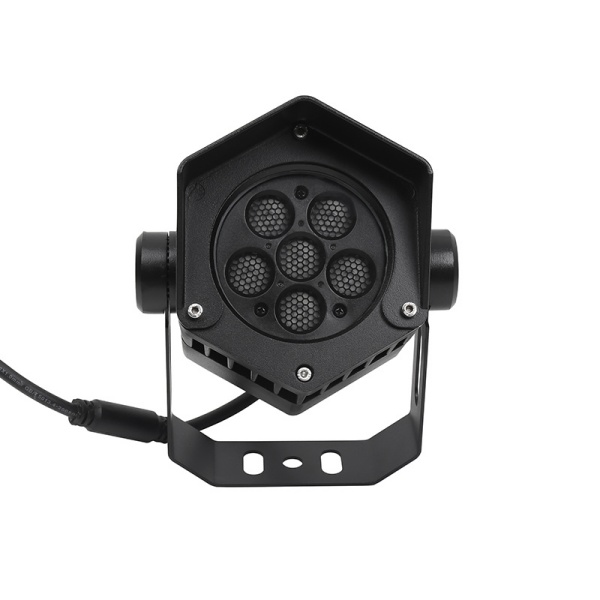
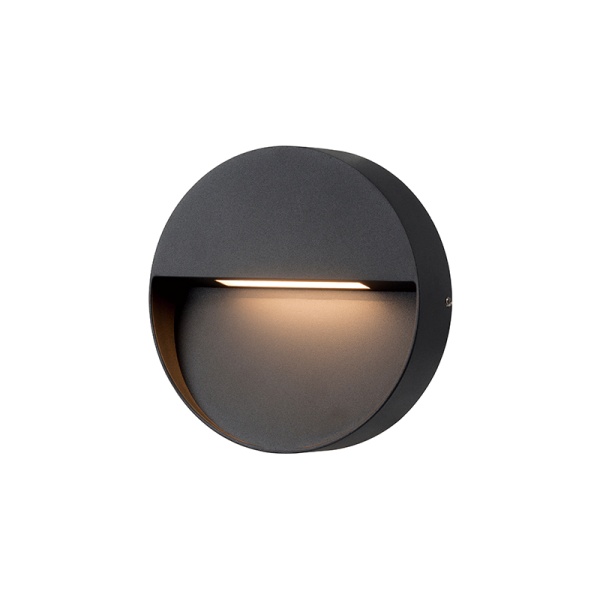
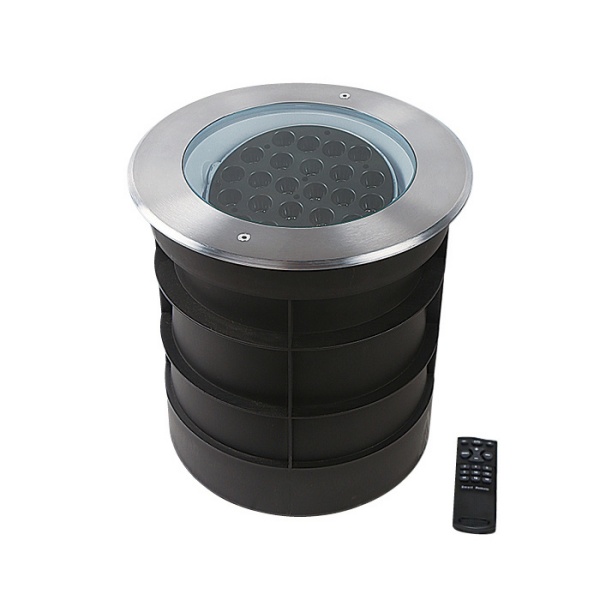
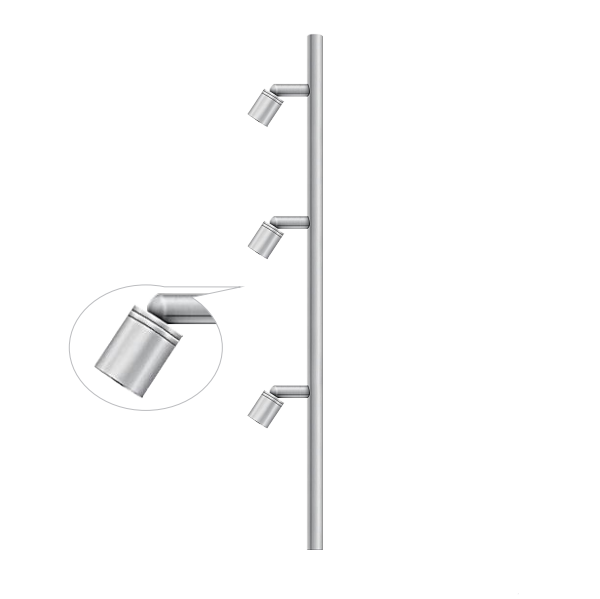
Whether you are ordering flood lights or facade fittings from an architectural LED wall washer range, these five checks apply — and all five are free to run at quotation stage.
Where Orders Get Stuck: Five Failure Cases
The certificate covers a “similar” model. A report for a 100 W version does not cover the 150 W version with a different driver, however alike they look. Similarity is a sales argument, not a certification scope.
Expired or wrong-scope certificates. A PCoC that was valid at production can expire before the goods arrive; an ECAS certificate that lapsed last quarter covers nothing today. Check validity dates against the arrival date, not the order date.
The certificate is in another company's name. Certificates are held by the importer who applied. A certificate your supplier shows you from a previous customer's project does not cover your import — your company needs its own registration.
Paperwork started after ordering. Testing and registration take weeks when a fresh CB report or efficiency registration is needed, and neither compresses to match a vessel schedule. The shipment waits; storage and demurrage do not.
Split shipments handled casually. Every consignment needs its own SCoC, and models added to a later split shipment still need to be inside a valid PCoC scope. Splitting an order does not split the rules.
Your Pre-Order Checklist
Request from the supplier, before paying a deposit:
The exact model list for the order — every code and variant, as it will appear on labels and cartons.
The CB test report and certificate, or accredited EN IEC 60598 test reports, naming those models — and the report dates.
For Saudi Arabia: the IECEE recognition and energy-efficiency registration status of each model. For the UAE: the reports and technical-file documents the notified body will need.
Draft rating-label artwork for approval, plus confirmation of the driver/control-gear models inside the tested samples.
Manuals in English and Arabic, or a written commitment to supply them with production.
Confirm with your clearance agent or conformity body, before production starts:
Whether each model is already inside a valid PCoC / ECAS scope held by your company — or a new application is needed.
That the applicant name, model codes and tariff codes in the registration match your customs declaration exactly.
That certificate validity covers the planned arrival dates, with a renewal date in the diary.
How many shipments the order will be split into, and the SCoC step for each one.
Fees and timelines for your models — they vary by model count, conformity body and testing required, so have them quoted for your list, not taken from a price table.
Send Us the Model List Before You Produce
If you are preparing an order for Saudi Arabia or the UAE, send Always Lighting the planned model list — the exact models and variants on your quotation — and the test reports can be checked against those models before production starts, while changes are still cheap. Use the WhatsApp or email buttons on this site to send the list; a document check at quotation stage is far cheaper than a container waiting on paperwork.