
- 28 Oct 2026
LED Window Display Lighting for Retail Storefronts | Always Lighting
LED Window Display Lighting Solutions for Retail Storefronts
LED window display lighting helps retailers, fashion brands, department stores and commercial display contractors present products attractively in storefront windows and shopping mall displays. A well-planned lighting layout can highlight merchandise, improve product visibility and create a clear visual focus for people passing by.
Retail window display lighting differs from general store lighting because products must remain visible from outside the store, often through glass and under changing ambient conditions. The lighting design should consider viewing distance, window depth, glass reflections, product position, surrounding daylight and nighttime conditions.
Always Lighting provides LED cabinet lighting products for commercial display applications, including LED cabinet linear lights, LED showcase spotlights and LED showcase gantry lights. The appropriate combination depends on the storefront layout, the products being displayed and the verified specifications of the selected fixtures.
1. Applications of LED Window Display Lighting
Different storefronts have different display objectives. Lighting should support the products, the retail environment and the intended visual message.
Fashion Boutique Window Displays
Fashion boutiques often use storefront windows to present clothing, handbags, shoes, accessories and mannequins. Lighting can help highlight garment textures, product silhouettes and selected merchandise.
Compact LED spotlights may be used to emphasize mannequins or featured products, while linear lighting can provide additional illumination along display platforms or architectural edges.
Fixture positions should be evaluated from the sidewalk and other normal viewing positions to avoid distracting reflections on the window glass.
Jewelry and Watch Storefront Windows
Jewelry and watch retailers may use storefront windows to attract attention to selected collections before customers enter the store.
Focused lighting can emphasize individual display areas, while controlled general illumination helps maintain a balanced appearance across the window.
For displays containing glass cases, reflective metal surfaces or watch crystals, the fixture position and beam direction should be tested carefully. The objective is to make products visible without creating distracting glare.
Cosmetics and Beauty Brand Windows
Beauty brands often use storefront windows to communicate a consistent visual identity through product arrangements, brand colors and campaign displays.
LED window lighting can highlight skincare products, makeup collections and promotional arrangements. The selected color rendering characteristics and color temperature should suit the packaging and brand requirements.
For glossy bottles, acrylic stands and glass shelves, sample testing can help identify reflections and uneven illumination before the final layout is approved.
Seasonal and Promotional Window Displays
Retailers frequently change storefront displays for seasonal campaigns, product launches, holiday promotions and new collections.
The lighting arrangement should support different product arrangements and visual focal points. Adjustable spotlights may be useful when the display design requires changes in emphasis, provided the selected fixtures offer suitable adjustment features.
For retailers that regularly update their displays, maintenance access and the ability to reposition fixtures should be considered during the initial design.
Shopping Mall Storefronts
Shopping mall storefronts often compete visually with nearby shops, illuminated signage and common-area lighting.
A suitable window display lighting layout should make the featured products easy to identify without relying on excessive brightness. Designers should evaluate the display under actual mall lighting conditions and consider reflections from nearby surfaces.
Department Store and Multi-Brand Displays
Department stores may use window displays to present multiple product categories or coordinated brand campaigns.
Consistent fixture specifications, careful positioning and a balanced lighting layout can help maintain visual continuity across the display. The appropriate arrangement depends on the window dimensions, product placement and the desired hierarchy between featured and secondary products.
2. Common Challenges in Retail Window Display Lighting
A successful storefront display needs to work from the customer's actual viewing position, not just from directly in front of the products during installation.
Managing Reflections on Storefront Glass
Storefront glass can reflect the sky, street lighting, vehicles, interior fixtures and surrounding buildings. These reflections may obscure products, particularly during the daytime or when the store interior is brightly illuminated.
To reduce distracting reflections, evaluate fixture positions and aiming directions from outside the window. Where possible, test the display under both daytime and nighttime conditions.
The result depends on the glass type, viewing angle, brightness of the surrounding environment and relative positions of the light sources.
Making Products Visible During Day and Night
Daylight can significantly affect how a storefront display appears from outside. A lighting arrangement that looks effective at night may have less visual impact during bright daytime conditions.
The design should consider window orientation, daylight exposure, surrounding architecture and the brightness of the display relative to its environment.
Where controllable lighting is available, separate lighting circuits or compatible dimming systems may help adapt the display to different operating conditions. Compatibility must be confirmed for the selected fixtures and drivers.
Creating a Clear Visual Focal Point
A storefront window often contains a main product, supporting merchandise, signage and decorative elements. If every part of the display receives the same emphasis, the viewer may find it difficult to identify the main focus.
A layered lighting approach can help distinguish featured products from secondary display areas. Focused spotlights may highlight key merchandise, while general illumination supports overall visibility.
The balance should suit the brand concept and avoid harsh contrasts or unnecessary glare.
Avoiding Uneven Illumination
Window displays may combine mannequins, shelves, platforms and products at different heights. Poor fixture placement can create strong shadows, bright patches or areas that appear underlit.
Lighting designers should consider mounting height, beam angle, distance from the merchandise and spacing between fixtures.
A mock-up or on-site test can help determine whether additional fixtures, repositioning or a different light distribution is required.
Coordinating Lighting with the Store Interior
A storefront window is part of the wider retail environment. The window lighting should complement the interior lighting, signage and architectural finishes.
Large differences in brightness or color appearance can make the display feel disconnected from the store. Evaluate the window from both outside and inside before finalizing the design.
3. Recommended LED Lighting Types for Retail Storefronts
The appropriate fixture type depends on the window structure, the displayed merchandise and the desired lighting effect.
LED Showcase Spotlights
LED showcase spotlights can provide focused illumination for mannequins, featured products, promotional arrangements and individual display sections.
Their beam distribution and aiming position should be selected according to the distance between the fixture and the merchandise. A narrow beam is not always the best option because it may create strong highlights or uneven coverage.
Suitable applications: Fashion mannequins, featured merchandise, jewelry displays and focal points within storefront windows.
Related product: LED Showcase Spotlight
LED Cabinet Linear Lights
LED cabinet linear lights can provide continuous illumination along display shelves, platforms, cabinet edges and other linear mounting positions.
They may be useful for storefronts that require consistent illumination across a row of products or along the edges of a display structure.
Before selection, confirm fixture length, mounting method, light distribution, dimensions and electrical requirements.
Suitable applications: Display platforms, linear shelving, cabinet edges and structured retail window displays.
Related product: LED Cabinet Linear Light
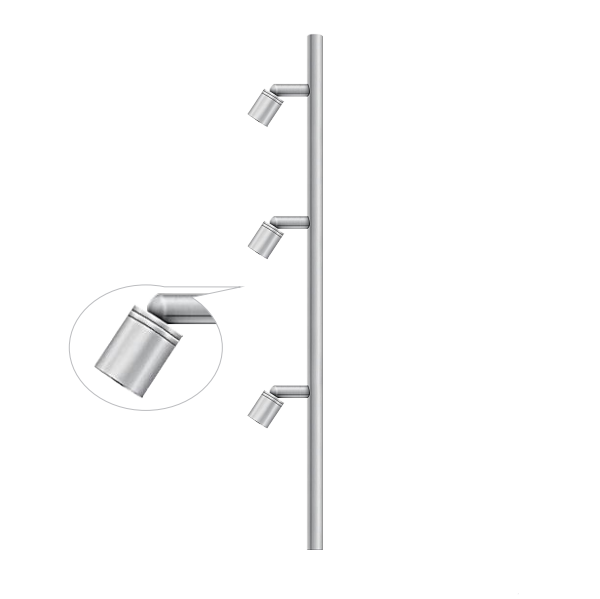
LED Showcase Gantry Lights
LED showcase gantry lights can be considered for window displays that incorporate an upper lighting bar or dedicated gantry structure.
Depending on the fixture design, this arrangement may provide a convenient way to position lighting above merchandise. The compatibility of the gantry, mounting structure and fixture dimensions should be checked before specification.
Suitable applications: Structured display counters, modular showcase systems and storefront displays with upper mounting supports.
Related product: LED Showcase Gantry Light
Combining Spotlights and Linear Lighting
Some retail windows benefit from a combination of focused and general illumination.
Spotlights can emphasize selected products, while linear lights can provide additional coverage along shelves or display platforms. This layered approach can help establish a visual hierarchy without making the entire window appear uniformly bright.
The final combination should be tested with the actual merchandise, window glass, interior finishes and ambient lighting conditions.
4. How to Choose LED Window Display Lighting
For retail brands, lighting designers, display contractors and commercial project buyers, the following factors can help establish an appropriate specification.
| Selection factor | What to consider |
|---|---|
| Window dimensions | Width, height, depth and available mounting positions |
| Viewing conditions | Sidewalk viewing distance, viewing angles and window orientation |
| Ambient conditions | Daylight exposure, nighttime conditions and nearby lighting |
| Product type | Clothing, accessories, cosmetics, electronics or other merchandise |
| Light distribution | Beam angle, coverage, focal points and shadow control |
| Color rendering | Verified CRI and consistency with the merchandise and brand requirements |
| Color temperature | Compatibility with product colors, brand guidelines and interior lighting |
| Reflections | Glass characteristics, fixture position and surrounding surfaces |
| Electrical requirements | Input voltage, driver compatibility, wiring and dimming requirements |
| Maintenance | Access to fixtures, connections and adjustment mechanisms |
There is no single wattage, beam angle or color temperature that suits every retail storefront. The final specification should reflect the display dimensions, product type, ambient conditions and intended visual effect.
For large storefront projects or multi-location retail rollouts, testing a representative display before full installation can help verify the appearance and reduce design changes later.
5. LED Window Display Lighting for Retail Brands and Contractors
For retail projects, lighting design should be coordinated with the storefront structure, merchandise arrangement and installation requirements.
Plan Lighting Before Building the Display
Confirm the position of display platforms, mannequins, product stands, signage and cabinet structures before selecting fixture locations.
Early coordination helps identify mounting restrictions and potential conflicts with other display components.
Evaluate the Window from Outside
The customer usually views the display through glass from the street, shopping mall or building entrance. Check the display from these normal viewing positions rather than assessing it only from inside the store.
Daytime and nighttime checks may reveal different reflection and visibility issues.
Consider Seasonal Display Changes
If merchandise and decorations change frequently, select a lighting arrangement that supports the intended display updates.
Where adjustable fixtures are used, confirm that the chosen model supports the required adjustment and that maintenance access is practical.
Maintain Consistency Across Multiple Stores
Retail brands operating several locations may need a consistent lighting appearance across different storefronts.
Standardizing fixture models, color temperature, relevant electrical specifications and installation details can simplify purchasing and project coordination.
Actual layouts may still need adjustment for differences in window dimensions, glass characteristics and local ambient lighting.
Prepare Project Information for Quotation
To help identify suitable lighting products, provide window dimensions, display drawings, product photos, preferred lighting effects, electrical requirements and estimated quantities.
These details give the lighting supplier a clearer understanding of the installation conditions and intended results.
6. LED Window Display Lighting from Always Lighting
Always Lighting offers LED cabinet lighting products for commercial display applications, including LED cabinet linear lights, LED showcase spotlights and LED showcase gantry lights.
For retail storefront projects, the appropriate products should be selected according to the window dimensions, mounting arrangement, merchandise, required light distribution and electrical conditions.
Our products can be evaluated for suitable storefront displays, retail counters and commercial showcases, subject to the specifications and environmental suitability of each selected model.
When contacting Always Lighting, please provide the following information where available:
Storefront photos or display drawings
Window width, height and depth
Type of merchandise to be displayed
Preferred lighting effect and color temperature
Mounting positions and available installation space
Input voltage and any dimming requirements
Estimated quantity and project destination
With this information, our team can review the application and help identify suitable LED cabinet lighting options for your retail display project.
7. Frequently Asked Questions
What type of LED lighting is best for retail window displays?
LED showcase spotlights can highlight featured products, while LED cabinet linear lights can provide continuous illumination along shelves and display platforms. Gantry lights may suit windows with a dedicated upper mounting structure. The best option depends on window dimensions, merchandise and the desired lighting effect.
How can reflections on storefront glass be reduced?
Evaluate fixture positions and aiming directions from normal viewing positions outside the window. Glass characteristics, surrounding brightness and viewing angles all affect reflections. Testing the display under real daytime and nighttime conditions can help identify an effective arrangement.
How should retail window lighting work during the day and at night?
Daylight and nighttime conditions create different brightness relationships between the display and its surroundings. Consider window orientation, daylight exposure and ambient lighting when planning the layout. Where appropriate, compatible dimming or separate lighting circuits may help adapt the display to changing conditions.
What color temperature is suitable for shop window display lighting?
The choice depends on the merchandise, brand identity, interior finishes and surrounding lighting. Compare suitable options with the actual products before finalizing the specification. Consistency across fixtures is also important when multiple products are displayed together.
Can LED cabinet lights be used for storefront window displays?
LED cabinet lighting products may be suitable for storefront displays when their mounting arrangements, light distribution, electrical requirements and environmental ratings match the application. Confirm the specifications of the selected model before installation.
What information is needed for a retail window lighting quotation?
Useful information includes window dimensions, display photos, product types, mounting positions, preferred lighting effects, electrical requirements and estimated quantities. These details help the supplier assess the application and recommend suitable products.
8. Request an LED Window Display Lighting Solution
Are you a retail brand, storefront designer, display contractor, lighting distributor or commercial project buyer looking for LED window display lighting?
Contact Always Lighting with your storefront photos, display drawings or project specifications. Our team can review your requirements and help identify suitable LED cabinet lighting products for your project.
Contact Always Lighting to discuss your retail storefront lighting requirements and request a quotation.