
- 19 Aug 2026
How to Use LED Underwater Lights for Hotel and Resort Water Features
How to Use LED Underwater Lights for Hotel and Resort Water Features?
Water features are an important part of hotel and resort landscape design.
From entrance fountains and swimming pools to decorative ponds, waterfalls and large outdoor water features, the right lighting can transform water into a strong visual element at night.
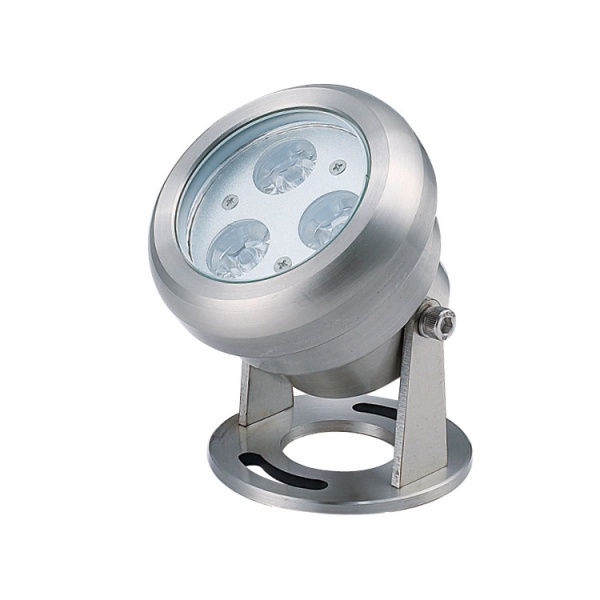
LED underwater lights are particularly suitable for these applications because they can be installed inside or close to the water and direct light toward fountains, walls, waterfalls and other architectural elements.
For hotel and resort projects, underwater lighting should not only focus on brightness. The lighting design should also consider:
Waterproof performance
Electrical safety
Beam angle
Color temperature
RGB/RGBW requirements
DMX512 control
Cable length
Voltage drop
Maintenance
Overall architectural design
For fixed luminaires used in or in contact with water, including fountains, swimming pools and garden pools, IEC 60598-2-18:2022 provides specific requirements for these applications.
This guide explains how hotel and resort designers, landscape architects, contractors and project buyers can select and use LED underwater lights for water-feature projects.
Why Use LED Underwater Lights for Hotels and Resorts?
Hotels and resorts often use water features to create a premium visual experience.
During the daytime, water features can provide:
Movement
Reflection
Architectural interest
Landscape atmosphere
At night, lighting becomes an essential part of the visual design.
LED underwater lights can illuminate:
Fountains
Swimming pools
Decorative ponds
Waterfalls
Water walls
Reflecting pools
Resort entrance fountains
Courtyard water features
Landscape ponds
Architectural water features
The position of the light can be just as important as the power of the fixture.
A well-designed system can make water appear:
Brighter + Deeper + More Dynamic + More Architectural
without making the entire landscape excessively bright.
Common Hotel and Resort Water Feature Applications
H3: Hotel Entrance Fountains
The entrance is one of the most important areas for hotel lighting.
Underwater lights can be installed around or inside fountain basins to illuminate:
Water jets
Fountain columns
Decorative structures
Central features
Water surfaces
For a luxury hotel, warm white light can create an elegant appearance.
For modern resorts, RGB or RGBW lighting can provide more flexibility.
Resort Swimming Pools
Swimming pools are another common application.
Underwater lights can provide:
Functional illumination
Architectural enhancement
Nighttime atmosphere
Pool-edge visual effects
The lighting design should consider pool geometry, water depth, mounting position and required illumination.
Electrical installation requirements for swimming pools and similar locations should also be considered in accordance with the applicable local regulations and standards. IEC 60598-2-18:2022 specifically covers fixed luminaires used in water or in contact with water for applications such as swimming pools and fountains.
Resort Waterfalls
Waterfalls are ideal for underwater and near-water lighting.
Instead of simply illuminating the entire waterfall, designers can use carefully positioned fixtures to highlight:
Falling water
Stone surfaces
Vertical walls
Water movement
A narrow beam can emphasize a specific feature, while a wider beam can create broader illumination.
Decorative Ponds
Decorative ponds in hotel gardens and resort landscapes can use underwater lighting to create depth and reflection.
Typical applications include:
Garden ponds
Koi ponds
Reflecting pools
Landscape water gardens
Warm white light is often suitable for an elegant landscape appearance, while RGB/RGBW can be used when dynamic effects are required.
Water Walls
Water walls are commonly used in:
Hotel lobbies
Resort entrances
Restaurants
Spa areas
Outdoor terraces
Linear or multiple-point underwater lighting can highlight the movement of water across the wall surface.
The position and beam angle should be tested before final installation.
How to Choose LED Underwater Lights for Hotel Projects?
There are several important parameters to consider.
1. IP Rating
For fixtures installed underwater, the lighting product should be specifically designed and tested for the intended immersion conditions.
IP68 is commonly specified for permanently submerged lighting products, but the exact IP68 test conditions should be checked in the manufacturer's documentation.
Importantly, an IP rating alone does not replace the electrical and installation requirements applicable to the complete system.
IEC 60598-2-18:2022 addresses fixed luminaires used in or in contact with water and includes specific requirements for these applications.
2. Operating Voltage
For many landscape water-feature projects, designers may consider:
DC12V
or
DC24V
depending on the fixture and project requirements.
For larger systems, DC24V can be useful because it allows lower current than DC12V for the same power.
For example:
240W ÷ 24V = 10A
while:
240W ÷ 12V = 20A
However, the appropriate voltage must always match the fixture's rated input and the project's applicable safety requirements.
3. Power
The fixture wattage should be selected based on:
Water feature size
Mounting distance
Water depth
Beam angle
Desired brightness
Surface reflectivity
Ambient lighting
Higher wattage is not always better.
A correctly positioned lower-power fixture can sometimes produce a better result than a high-power fixture installed in the wrong location.
4. Beam Angle
Beam angle is one of the most important optical parameters.
For example:
Narrow Beam
→ Long-distance highlighting
Medium Beam
→ Fountain columns and architectural details
Wide Beam
→ Broad water-surface illumination
The best beam angle depends on the distance between the fixture and the target.
How to Use Warm White LED Underwater Lights?
For luxury hotels and resorts, warm white underwater lighting can create a sophisticated atmosphere.
Typical applications include:
Hotel entrance fountains
Resort gardens
Spa water features
Decorative ponds
Stone waterfalls
Restaurant outdoor areas
Warm white light can complement:
Natural stone
Wood
Landscape plants
Beige architecture
Warm architectural lighting
Instead of making the water feature the brightest element in the landscape, the lighting can be designed to create a subtle focal point.
When Should Hotels Use RGB Underwater Lights?
RGB underwater lights are useful when the water feature needs dynamic color effects.
RGB can create:
Red
Green
Blue
Purple
Cyan
Color-changing effects
They are suitable for:
Resort entertainment areas
Large fountains
Hotel event spaces
Nighttime shows
Holiday lighting
Outdoor celebrations
For projects requiring dynamic color scenes, DMX512 RGB underwater lights can provide much greater control than a simple fixed-color system.
RGB vs RGBW Underwater Lights for Resorts
For high-end hotel and resort projects, RGBW can offer additional flexibility.
RGB
RGB combines:
Red + Green + Blue
It is suitable for strong color effects and dynamic scenes.
RGBW
RGBW adds:
White
This can provide more options for:
White illumination
Pastel colors
Softer architectural effects
More natural-looking scenes
For a resort that needs both daily architectural lighting and occasional color shows, RGBW can be worth considering.
Why Use DMX512 for Hotel Fountain Lighting?
DMX512 is widely used for professional lighting control.
For hotel and resort water features, DMX512 can allow the lighting designer to control:
Brightness
Color
Color transitions
Lighting scenes
Multiple zones
Dynamic effects
For example:
Normal Evening
Warm white
↓
Event Mode
Blue
↓
Celebration Mode
RGB color-changing
↓
Night Mode
Low brightness
A programmable control system can create different lighting scenes for different operating periods.
However, DMX512 is a control system, not a substitute for correct electrical power distribution.
The underwater lights still require an appropriately designed power supply and cable system.
How to Position Underwater Lights in a Hotel Fountain?
Positioning can dramatically affect the final result.
Consider three basic approaches.
Bottom Lighting
The fixtures are installed near the bottom of the fountain.
This can create:
Upward illumination
Strong water-jet effects
Dramatic visual effects
This approach is often suitable for fountain jets.
Side Lighting
Fixtures are positioned along the side of the water feature.
This can highlight:
Water walls
Stone surfaces
Waterfalls
Architectural details
Perimeter Lighting
Fixtures are distributed around the edge of the water feature.
This can create:
Even illumination
A glowing water surface
Defined fountain boundaries
The final layout should be determined by the geometry and desired visual effect.
How Many Underwater Lights Does a Hotel Fountain Need?
There is no universal number.
The quantity depends on:
Fountain dimensions
Water depth
Jet quantity
Fixture wattage
Beam angle
Mounting distance
Desired brightness
Water clarity
Lighting effect
For example, a small decorative fountain may only need a few fixtures.
A large resort fountain may require dozens or even hundreds of fixtures divided into multiple lighting zones.
A professional design should calculate fixture quantity based on the actual fountain drawings rather than using a fixed lights-per-meter rule.
How to Avoid Uneven Lighting?
Uneven lighting is a common problem in large water features.
You may see:
Bright → Dark → Bright → Dark
instead of a smooth effect.
To improve uniformity, consider:
Fixture Spacing
Maintain appropriate spacing between fixtures.
Beam Angle
Match the beam angle to the target distance.
Fixture Power
Avoid mixing unsuitable power levels within the same visual zone.
Mounting Position
Keep fixture angles consistent where possible.
Power Distribution
For DC24V systems, consider cable length and voltage drop.
Long cable runs can cause voltage differences between fixtures.
You can learn more about this topic in:
How to Reduce Voltage Drop in DC24V Underwater Lighting Systems?
DC24V Underwater Lighting for Resort Projects
DC24V is a common configuration for outdoor landscape water-feature lighting when supported by the selected fixture.
The basic system can be:
AC Power
↓
DC24V Power Supply
↓
DC24V Underwater Lights
For RGB/RGBW: