
- 03 Aug 2026
How to Design Hotel Facade Lighting?
Designing hotel facade lighting is a delicate balance between creating a stunning nighttime landmark and ensuring the comfort and privacy of your guests. A successful design enhances the hotel's brand identity while seamlessly integrating with its architectural character and the surrounding environment.
Core Design Principles
- Align with Brand Identity & Architecture
The lighting should be an extension of the hotel's brand and architectural style. A luxury heritage hotel might use warm, static lighting to emphasize its history and elegance, while a modern boutique hotel could employ dynamic, colorful effects to convey energy and innovation. The lighting must complement, not compete with, the building's form, materials, and cultural context. - Prioritize Guest Comfort Above All
This is the most critical and often overlooked principle. Poorly designed facade lighting can cause severe light intrusion into guest rooms, leading to complaints, negative reviews, and even forced dimming or shutdowns. The design must rigorously control glare and stray light to protect guest privacy and sleep quality. - Ensure "Daytime Invisibility"
High-quality facade lighting should be completely hidden during the day. Fixtures, cables, and mounting hardware must be integrated into the building's architecture or concealed within its features. Exposed wiring and bulky fixtures can ruin the building's daytime aesthetic and create safety hazards. - Embrace Sustainability & Smart Control
Modern lighting design must be energy-efficient and intelligent. Utilize LED technology and implement smart control systems that allow for different lighting scenes based on time of day, season, or special events. This reduces operational costs and minimizes light pollution.
Key Lighting Techniques
Different techniques can be used individually or in combination to achieve the desired effect:
Flood Lighting: Illuminates large areas of the facade to reveal the building's overall form, texture, and color. It's effective for creating a sense of grandeur but requires careful control to avoid a flat, washed-out appearance.
Wall Washing: Uses a series of fixtures to create a uniform wash of light across a surface. This technique is excellent for highlighting architectural details, materials, and creating a sense of depth and scale.
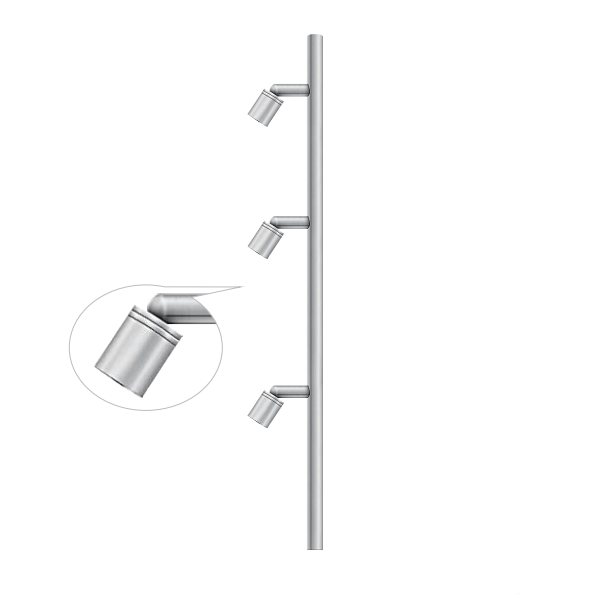
Accent Lighting: Employs narrow-beam spotlights to draw attention to specific architectural features, such as columns, arches, sculptures, or unique facade elements. It adds drama and visual interest.
Contour Lighting: Outlines the building's edges and rooflines with linear lights or LED strips. This technique clearly defines the building's silhouette against the night sky and is particularly effective for structures with distinctive shapes.
Internal Transmittance: For buildings with glass curtain walls, this technique uses the interior lighting to create a soft, glowing effect from within. It produces a warm and inviting ambiance that feels natural and integrated.
To avoid common pitfalls, pay close attention to these technical specifications:
| Consideration | Recommendation | Purpose |
|---|---|---|
| Color Temperature | 2700K - 3000K (Warm White) | Creates a welcoming, luxurious, and comfortable atmosphere. Avoid cool white or high-saturation colors that can feel cheap or disruptive. |
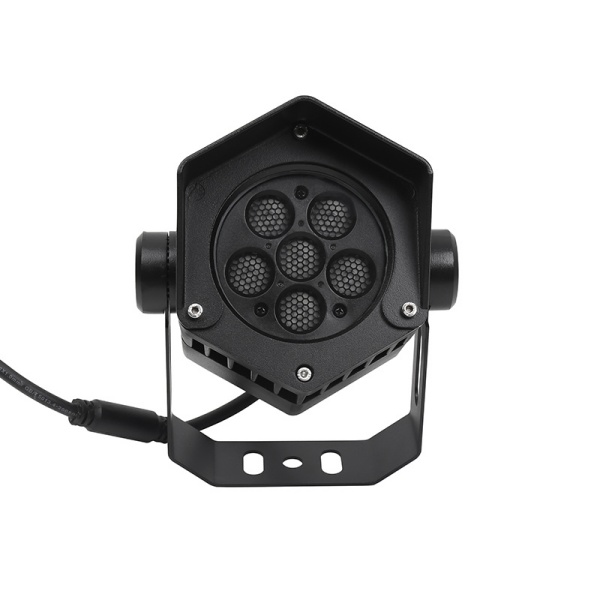
| Glare & Light Control | Use deep-recessed fixtures, honeycomb louvers, and precise beam angles (e.g., 5°-15° for spotlights). | Prevents light from spilling into guest rooms and causing discomfort. Ensures light is directed only where intended. |
| Fixture Concealment | Custom brackets, color-matched housings, and integration into architectural joints. | Maintains the building's daytime aesthetic and prevents visual clutter. |
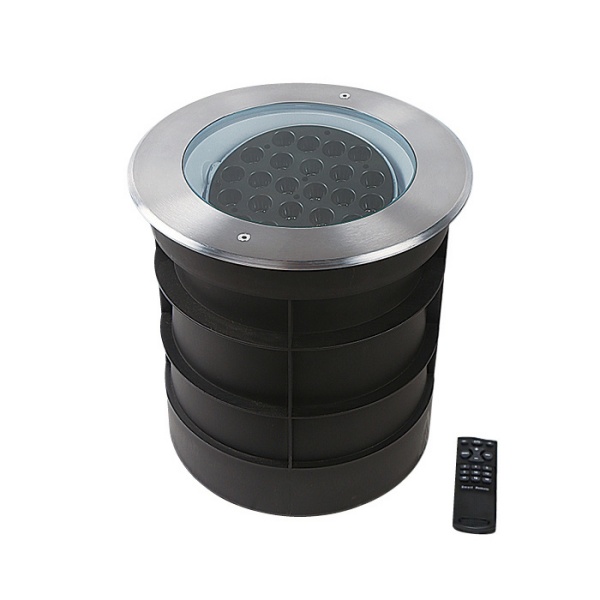
| Durability & Safety | IP66/IP68 rating, corrosion-resistant materials (e.g., 304 stainless steel), and non-invasive mounting. | Ensures long-term reliability in harsh weather conditions and prevents damage to the building facade. |
| Smart Controls | Implement scenes like "Evening," "Late Night," and "Holiday" modes. | Allows for dynamic expression while automatically reducing brightness late at night to save energy and minimize disturbance. |
Implementation & Partner Selection
Choosing the right partner is as important as the design itself. Look for a lighting design and engineering firm with specific experience in hospitality projects. Key qualifications to look for include:
Specialized Experience: A proven track record in hotel lighting, demonstrating an understanding of the unique balance between aesthetics and guest comfort.
Technical Expertise: In-house capabilities for precise optical calculations, custom fixture design, and professional commissioning to ensure the design intent is perfectly executed.
Integrated Approach: A "design-build" capability ensures seamless coordination from concept to installation, minimizing risks related to fixture concealment and light control.
Compliance Knowledge: Familiarity with local regulations on light pollution, energy efficiency, and electrical safety standards.
By adhering to these principles and technical standards, you can create a hotel facade lighting design that is not only visually captivating but also respectful of its guests and environment, ultimately enhancing the property's value and reputation.
For more information, please see below link: