
- 12 Aug 2026
How to Choose Outdoor LED Wall Light for Building Facade Lighting
How to Choose Outdoor LED Wall Light for Building Facade Lighting?
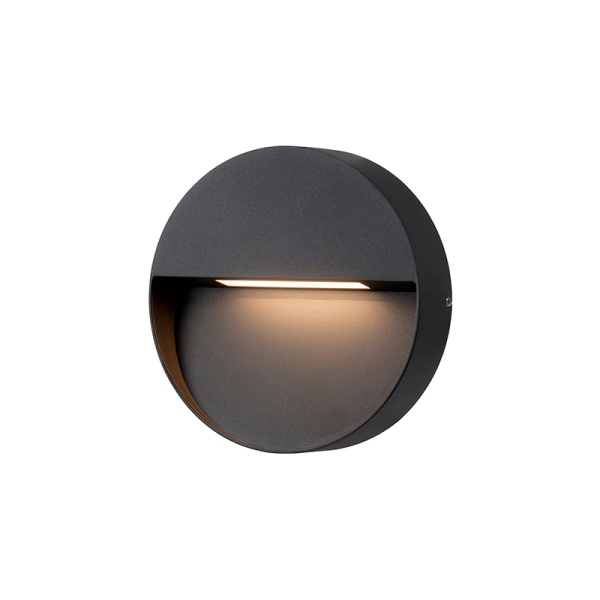
Outdoor lighting plays an important role in modern architectural design. The right Outdoor LED Wall Light can highlight building structures, enhance facade details, improve nighttime visibility, and create a distinctive architectural appearance.
For hotels, villas, commercial buildings, restaurants, offices, and other architectural projects, choosing the right exterior wall light requires more than selecting a stylish fixture.
Architects, lighting designers, contractors, and project developers should consider IP protection, beam angle, color temperature, light distribution, installation position, and the overall facade lighting design.
So, how do you choose the right Outdoor LED Wall Light for a building facade?
1. Consider the Building Facade Design
The first step is to understand the architecture.
Different facade materials and structures require different lighting approaches.
For example:
Stone walls may benefit from wall grazing
Smooth walls can use soft wall washing
Columns can use narrow-beam accent lighting
Entrances may require functional and decorative illumination
Modern facades can use up and down lighting effects
The lighting fixture should complement the architecture rather than simply make the building brighter.
2. Choose the Right Lighting Effect
Outdoor LED Wall Lights can create different architectural lighting effects.
Up and Down Lighting
Up and Down LED Wall Lights project light in both directions, creating attractive patterns on exterior walls.
They are suitable for:
Hotels
Villas
Restaurants
Commercial buildings
Modern architectural facades
This effect is particularly useful when the goal is to create a decorative architectural pattern.
Wall Washing
Wall washing provides broader illumination across a facade surface.
It can help create a clean and uniform appearance on suitable exterior walls.
Wall Grazing
Wall grazing uses a closer and more controlled light position to emphasize the texture of stone, brick, concrete, or other architectural materials.
For textured facades, the position and beam angle are especially important.
3. Select the Correct IP Rating
Because building exterior lighting is exposed to weather, waterproof protection is an important consideration.
IP65 is commonly used for exposed outdoor wall lighting applications, while higher protection levels may be appropriate for more demanding environments. The correct IP rating should always be selected according to the actual installation conditions.
When choosing an Outdoor LED Wall Light, consider:
Rain exposure
Humidity
Dust
Coastal or salt-air environments
Cleaning methods
Installation location
For coastal projects, corrosion resistance and housing material should also be considered rather than relying on the IP rating alone.
4. Choose the Correct Beam Angle
Beam angle has a direct impact on the final facade lighting effect.
A narrow beam angle can create a concentrated light pattern and is useful for columns, architectural details, and targeted accent lighting.
A wider beam angle distributes light over a larger area and can be suitable for broader wall surfaces.
The correct choice depends on:
Wall height
Installation distance
Fixture position
Facade material
Desired lighting effect
For professional projects, it is better to review photometric data or IES files rather than choosing a fixture based only on the advertised beam angle.
5. Consider Color Temperature
Color temperature strongly influences the atmosphere of a building at night.
2700K–3000K
Warm white is suitable for:
Luxury hotels
Villas
Resorts
Hospitality projects
It creates a warm and elegant atmosphere.
4000K
Neutral white works well for:
Commercial buildings
Office buildings
Modern architectural projects
5000K and Above
Cooler white light can be considered for specific contemporary architectural applications where a crisp appearance is required.
The final CCT should match the architectural materials, surrounding environment, and overall lighting concept.
6. Consider the Installation Position
The same Outdoor LED Wall Light can produce very different results depending on where it is installed.
Before selecting the fixture, consider:
Wall height
Mounting position
Distance between fixtures
Distance from the facade
Surrounding structures
Viewing distance
For example, an up-and-down wall light mounted close to a wall may create a compact decorative pattern, while a different fixture or installation position may be more suitable for illuminating a larger facade.
For large facade projects, lighting simulation can help designers evaluate beam coverage, uniformity, glare, and fixture spacing before installation.
7. Choose the Right Light Output
Higher wattage does not automatically mean better facade lighting.
The required output depends on:
Facade material
Surface reflectance
Mounting distance
Beam angle
Building height
Desired brightness
Ambient lighting conditions
A professional lighting design should focus on the required illumination and visual effect rather than simply choosing the highest-wattage fixture.
8. Consider Energy Efficiency and Heat Dissipation
Building facade lighting may operate for many hours every night.
Energy-efficient LED technology can help reduce operating costs, while effective thermal management supports stable long-term performance.
When selecting an outdoor LED wall light, consider:
LED efficiency
Housing material
Heat dissipation
Driver quality
Expected service life
Maintenance accessibility
Aluminum housing is commonly used in outdoor LED lighting because it can provide mechanical durability and assist with heat dissipation.
Outdoor LED Wall Light for Different Building Projects
Hotel Facade Lighting
Hotels often require a balance between architectural appearance and a welcoming nighttime atmosphere.
Outdoor LED Wall Lights can be used around:
Hotel entrances
Exterior walls
Columns
Balconies
Walkways
Architectural details
They can also be combined with LED linear lights and wall washers to create layered hotel facade lighting.
Villa Exterior Lighting
For villas, exterior wall lighting can highlight:
Entrance walls
Balconies
Garages
Terraces
Garden walls
Warm white LED wall lights are often suitable for creating an elegant residential environment.
Commercial Building Lighting
For offices, retail stores, restaurants, and commercial buildings, exterior LED wall lights can help strengthen nighttime visibility and architectural identity.
They can be combined with:
LED linear lighting
LED wall washers
Architectural flood lights
Window frame lighting
Outdoor LED Wall Light vs LED Wall Washer
These two lighting products are sometimes confused.
| Feature | Outdoor LED Wall Light | LED Wall Washer |
|---|---|---|
| Main purpose | Accent & decorative lighting | Facade surface illumination |
| Typical effect | Localized light pattern | Wider wall illumination |
| Installation | Wall-mounted | Wall/ground/facade mounted |
| Application | Entrances, columns, walls | Large facade surfaces |
| Best for | Architectural accents | Building facade washing |
For larger projects, combining both types can create a more complete architectural lighting design.
Can Outdoor LED Wall Lights Be Used for Smart Facade Lighting?
Yes, depending on the product configuration.
Some architectural LED wall lighting systems can support:
RGB
RGBW
DMX512
Dimming
Programmable lighting scenes
RGB/RGBW solutions can be considered for landmark buildings, entertainment venues, hotels, and special events where dynamic facade lighting is required.
For a simple architectural project, however, high-quality single-color lighting may provide a cleaner and more timeless appearance.
Why Choose Always Lighting for Outdoor LED Wall Light Solutions?
Always Lighting provides Outdoor LED Wall Light and Architectural Facade Lighting Solutions for international B2B projects.
Our outdoor lighting solutions can be used for:
Building facade lighting
Hotel exterior lighting
Villa lighting
Commercial building lighting
Landscape architecture
Architectural accent lighting
Depending on the product and project requirements, solutions can include different:
Beam angles
Color temperatures
IP protection levels
Housing finishes
Lighting configurations
RGB/RGBW options
Control systems
Always Lighting works with architects, lighting designers, contractors, distributors, and project developers to provide customized LED lighting solutions for exterior architectural projects.
Outdoor LED Wall Light Selection Checklist
Before ordering an Outdoor LED Wall Light for a building facade project, check:
☐ Building height
☐ Facade material
☐ Installation position
☐ Beam angle
☐ IP rating
☐ Color temperature
☐ Light output
☐ LED efficiency
☐ Heat dissipation
☐ Driver quality
☐ Lighting control requirements
☐ Maintenance access
☐ Project budget
This checklist can help architects and contractors select a more suitable exterior lighting solution.
FAQ
What is the best Outdoor LED Wall Light for building facade lighting?
The best fixture depends on the facade design, mounting position, beam angle, required lighting effect, IP rating, color temperature, and project environment.
What IP rating should an outdoor LED wall light have?
IP65 is commonly used for many exposed outdoor wall lighting applications. Projects with more demanding environmental exposure may require higher protection levels.
What beam angle is best for facade lighting?
There is no single best beam angle. Narrow beams are useful for focused architectural accents, while wider beams can provide broader wall illumination. The correct beam angle depends on mounting distance, facade height, and desired effect.
Can Outdoor LED Wall Lights be used for hotels?
Yes. Outdoor LED wall lights are widely applicable to hotel entrances, facades, balconies, corridors, and architectural details.
What is the difference between an Outdoor LED Wall Light and a wall washer?
An Outdoor LED Wall Light usually creates localized decorative or accent lighting, while a wall washer is designed to illuminate a larger facade surface more uniformly.
Conclusion
Choosing the right Outdoor LED Wall Light for Building Facade Lighting requires more than looking at wattage or appearance.
Architects, lighting designers, and contractors should consider IP rating, beam angle, mounting position, color temperature, light output, facade material, and the desired architectural effect.
When these elements are properly matched, outdoor LED wall lights can enhance building architecture, create a strong nighttime identity, and become an important part of a complete facade lighting solution.
Looking for Outdoor LED Wall Lights for your next architectural project? Contact Always Lighting for project-based lighting solutions and product recommendations.