
- 25 Aug 2026
Waterfront & Riverside Architectural Lighting | LED Solutions
Waterfront & Riverside Architectural Lighting
Waterfronts and riverside areas are important urban public spaces that combine architecture, landscape, bridges, promenades and water features.
Professional waterfront and riverside architectural lighting can highlight buildings, bridges, riverfront structures and landscape elements while creating an attractive nighttime environment.
LED lighting provides flexible solutions for:
Riverside buildings
Waterfront commercial areas
Riverfront hotels
Restaurants
Bridges
Promenades
Public plazas
Waterfront parks
Cultural landmarks
Fountains and water features
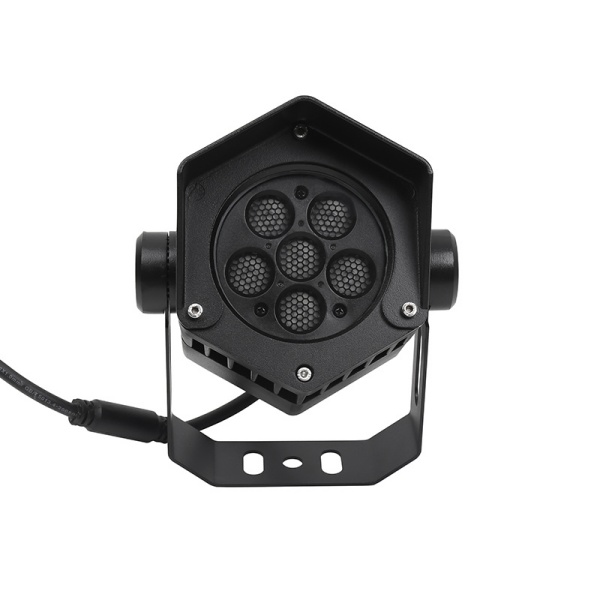
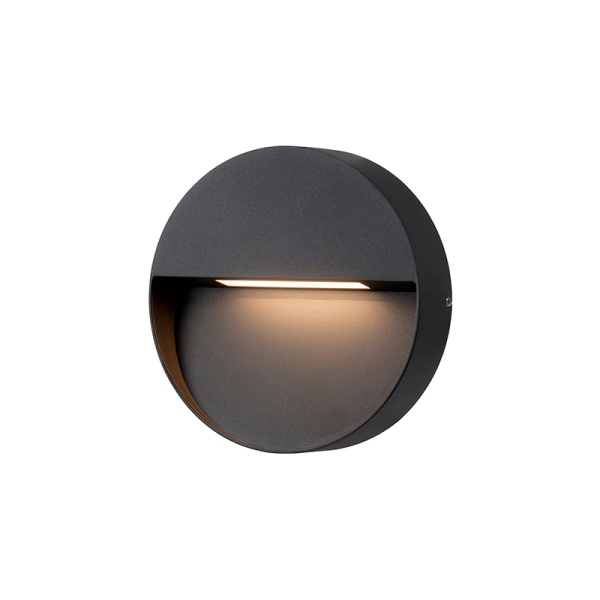
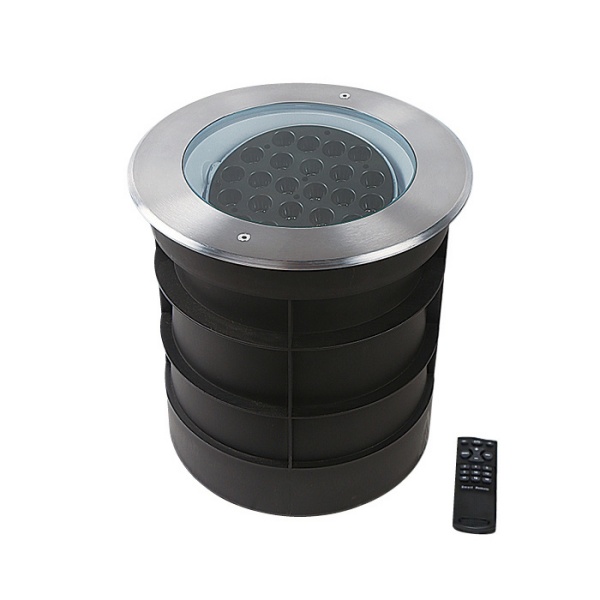
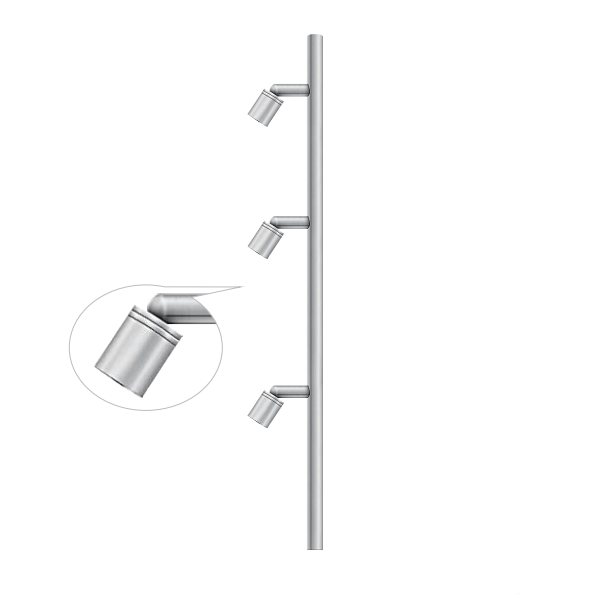
Always Lighting provides LED wall washers, LED linear lights, LED flood lights, underwater lights and RGB/RGBW DMX512 lighting solutions for waterfront and riverside projects.
LED Lighting Solutions for Waterfront Areas
Waterfront projects usually require several types of lighting working together.
A complete lighting design may combine:
Architectural Lighting + Landscape Lighting + Bridge Lighting + Underwater Lighting + Dynamic RGBW Lighting
This layered approach can create a consistent nighttime appearance across the entire riverside environment.
1. LED Wall Washer for Waterfront Buildings
LED wall washers can highlight buildings and architectural structures along the waterfront.
Applications include:
Hotel facades
Commercial buildings
Restaurants
Cultural buildings
Historic buildings
Waterfront residences
Public buildings
Typical beam angles include:
10°–15° → Columns and architectural details
20°–30° → Medium facade surfaces
30°–45° → Large facade areas
45°–60° → Broad architectural surfaces
The final beam angle should be selected according to mounting distance, facade height and photometric data.
2. LED Linear Light for Riverside Architecture
LED linear lights can emphasize the architectural outlines of waterfront buildings and structures.
Applications include:
Rooflines
Building edges
Bridge railings
Canopies
Window frames
Promenade structures
Architectural contours
Linear lighting can create continuous visual lines along the riverfront and help connect different architectural elements.
3. LED Flood Light for Waterfront Structures
LED flood lights can illuminate larger structures and public areas.
Applications include:
Large waterfront buildings
Bridges
Towers
Public plazas
Sculptures
Riverfront landmarks
Large landscape elements
Flood lights should be carefully aimed to reduce glare and unnecessary light spill toward the water and surrounding buildings.
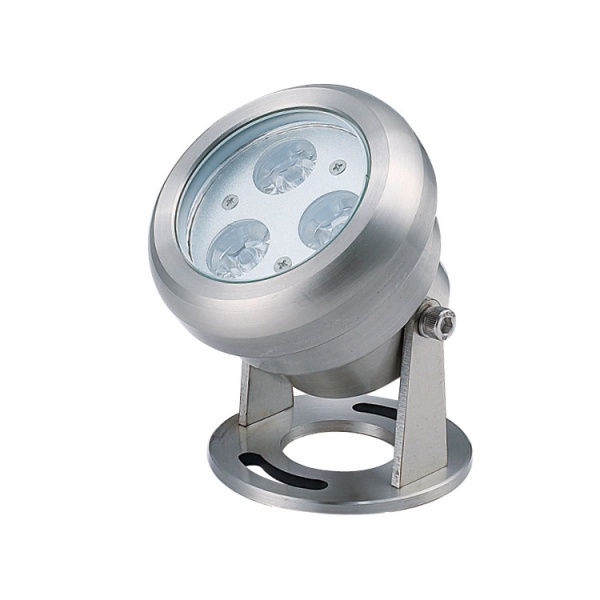
4. Underwater LED Lighting for Waterfront Projects
Water is often the most important visual element in a riverside project.
Underwater LED lights can be used for:
Fountains
Decorative pools
Water features
Waterfront landscapes
Ponds
Floating structures
Selected riverfront installations
Underwater fixtures should be specifically designed and rated for the actual installation environment and depth.
Riverside Bridge Lighting
Bridges are often the visual focal point of a waterfront area.
Lighting can emphasize:
Bridge arches
Columns
Cables
Railings
Deck edges
Structural lines
A combination of:
LED Wall Washer + LED Linear Light + RGBW + DMX512
can create dynamic bridge lighting effects.
For detailed bridge lighting design, beam angle, mounting distance, viewing distance and structural geometry should be considered.
Waterfront Building Facade Lighting
Buildings along riversides can become important nighttime landmarks.
Recommended lighting can include:
Hotels
2700K–3000K + Wall Washer + Linear Light
Restaurants
2700K–3000K + Accent Lighting
Commercial Buildings
3000K–4000K + Wall Washer + Linear Light
Cultural Buildings
2700K–3000K + Controlled Accent Lighting
Landmark Buildings
RGBW + DMX512
The lighting design should complement the surrounding waterfront environment.
Color Temperature for Waterfront Architectural Lighting
Color temperature has a strong influence on the atmosphere of a riverside environment.
2700K
Warm and relaxing.
Suitable for:
Hotels
Restaurants
Historic buildings
Waterfront resorts
3000K
Warm and elegant.
Suitable for:
Commercial buildings
Public spaces
Modern waterfront architecture
4000K
Clean and contemporary.
Suitable for:
Modern buildings
Functional public areas
Commercial developments
For many waterfront projects, 2700K–3000K provides a comfortable nighttime atmosphere.
RGBW Lighting for Waterfront Projects
RGBW lighting can create dynamic visual effects along riverside areas.
Applications include:
Bridges
Landmark buildings
Waterfront plazas
Fountains
Sculptures
Cultural attractions
Public events
With DMX512 control, RGBW fixtures can be programmed for:
Color changing
Gradient effects
Dynamic scenes
Event lighting
Festival lighting
Synchronized bridge lighting
For example:
Normal Evening → Warm White
Festival → RGBW Dynamic Colors
Special Event → Custom Lighting Scene
Riverside Lighting and Water Reflections
Water reflections can significantly influence the overall lighting effect.
A carefully designed system can use reflected light to create visual depth.
However, excessive brightness can create:
Strong glare
Unwanted reflections
Visual discomfort
Excessive light spill
Therefore, fixture brightness, beam angle and mounting position should be carefully controlled.
Waterfront Lighting and Glare Control
Waterfront areas are often used by pedestrians, cyclists, drivers and tourists.
Lighting should minimize glare for:
Pedestrians
Drivers
Cyclists
Nearby residents
Boat operators where applicable
Consider:
Beam angle
Fixture orientation
Mounting height
Optical shielding
Brightness
Fixtures should be aimed toward the architectural target rather than directly toward viewing areas.
Waterfront Lighting and Light Pollution
Riverside projects often have environmental and ecological considerations.
Avoid unnecessary illumination of:
River surfaces
Natural habitats
Nearby residential buildings
The night sky
Surrounding landscape
Use:
Controlled optics
Appropriate brightness
Dimming
Timed operation
Zone control
For environmentally sensitive waterfront locations, local regulations and project-specific requirements should always be considered.
IP Rating for Waterfront Architectural Lighting
Waterfront environments are generally more demanding than standard outdoor applications.
Common ratings include:
IP65
Suitable for many general outdoor installations.
IP66
Provides increased protection against powerful water jets.
IP67
Provides protection against temporary immersion.
For fixtures installed close to or inside water, the required protection level should be determined based on the actual installation conditions.
For riverside and coastal projects, corrosion-resistant housing and hardware should also be considered.
Energy-Efficient Waterfront Lighting
Riverside lighting can operate for many hours every night.
LED technology can help reduce operating energy through:
High-efficiency LEDs
Appropriate lumen output
Controlled beam angles
Dimming
Timed operation
Zone control
For example:
6:00 PM–10:00 PM → Full Architectural Lighting
10:00 PM–12:00 AM → Reduced Brightness
After Midnight → Accent / Security Lighting
The actual schedule should be adjusted according to project operation and local requirements.
Recommended LED Lighting for Waterfront Projects
| Application Area | Recommended Lighting |
|---|---|
| Waterfront Facade | LED Wall Washer |
| Building Roofline | LED Linear Light |
| Bridge Structure | Wall Washer / Linear Light |
| Bridge Edge | LED Linear Light |
| Riverside Plaza | LED Flood Light |
| Fountain | Underwater LED Light |
| Sculpture | LED Spotlight |
| Riverside Landscape | LED Garden / Spike Light |
| Hotel Facade | 2700K–3000K |
| Commercial Building | 3000K–4000K |
| Landmark / Bridge | RGBW + DMX512 |
Waterfront & Riverside Lighting Installation
Before installation, confirm:
Building or structure height
Facade dimensions
River or waterfront conditions
Mounting position
Mounting distance
Beam angle
Fixture spacing
Lumen output
Color temperature
IP rating
Corrosion protection
Power supply
Control system
Environmental requirements
Maintenance access
For large waterfront projects, a sample lighting installation is recommended.
Check:
Brightness
Uniformity
Glare
Reflections
Light spill
Color effects
Overall visual balance
Common Waterfront Lighting Mistakes
Excessive Brightness
High brightness can create strong reflections and glare on water.
Incorrect Beam Angle
The wrong beam angle can cause unnecessary light spill toward the river.
Ignoring Corrosion
Waterfront environments can accelerate corrosion, especially in coastal areas.
Poor Glare Control
Fixtures should not directly shine toward pedestrians or nearby buildings.
Overusing RGB Lighting
Dynamic lighting should support the architecture rather than overpower it.
Ignoring Environmental Requirements
Waterfront projects may have additional environmental and ecological considerations.
Poor Maintenance Planning
Fixtures near water should be easy to inspect and maintain safely.
Why Choose LED for Waterfront & Riverside Lighting?
LED architectural lighting offers:
High energy efficiency
Long service life
Multiple beam angles
Multiple color temperatures
RGB/RGBW options
DMX512 control
Outdoor IP protection
Underwater lighting options
Flexible installation
Low maintenance
These features make LED suitable for riverside developments, waterfront hotels, bridges, public spaces and cultural landmarks.
Waterfront & Riverside Lighting Project Planning
For a professional lighting proposal, provide:
Project Information
Riverside development, waterfront park, hotel, commercial area, bridge or cultural project.
Architecture
Building height, facade material and architectural style.
Water Environment
River, lake, fountain, pond or coastal waterfront.
Lighting Targets
Facade, bridge, promenade, landscape, water feature and landmark structures.
Lighting Effects
Wall washing, accent lighting, linear outline lighting or RGBW effects.
Fixture Requirements
Power, lumens, beam angle, CCT, IP rating and corrosion resistance.
Control Requirements
ON/OFF, dimming, RGB, RGBW or DMX512.
This information helps determine the appropriate LED lighting solution.
Conclusion
Waterfront & Riverside Architectural Lighting combines architectural, landscape, bridge and underwater lighting to create attractive and functional nighttime environments.
A complete system can combine:
LED Wall Washer + LED Linear Light + LED Flood Light + Underwater LED Light + RGBW + DMX512
For hotels and restaurants, 2700K–3000K can create a warm and relaxing atmosphere.
For modern commercial buildings, 3000K–4000K can provide a clean architectural appearance.
For bridges, landmarks and special events, RGBW + DMX512 can create dynamic color-changing and gradient lighting effects.
The final design should consider:
Architecture + Water Environment + Beam Angle + Mounting Distance + Lumens + CCT + Fixture Spacing + IP Rating + Corrosion Resistance + Glare Control + Light Pollution
Always Lighting provides LED architectural lighting solutions for waterfronts, riverside developments, bridges, hotels, public spaces and cultural landmarks, including LED wall washers, linear lights, flood lights, underwater lights and RGB/RGBW DMX512 lighting systems.
CTA
Planning a waterfront or riverside lighting project? Contact Always Lighting for LED wall washer, linear light, bridge and RGBW lighting solutions tailored to your architecture, water environment and project requirements.