
- 25 Aug 2026
Temple & Historic Building Lighting | LED Architectural Lighting
Temple & Historic Building Lighting
Temples and historic buildings are important cultural and architectural landmarks. Their nighttime lighting should highlight architectural details while respecting the original design, materials and cultural character of the building.
Professional temple and historic building lighting can emphasize:
Roof structures
Columns
Entrances
Facades
Sculptures
Architectural details
Courtyards
Gardens
Cultural features
LED architectural lighting provides flexible and energy-efficient solutions for temples, heritage buildings and historic landmarks.
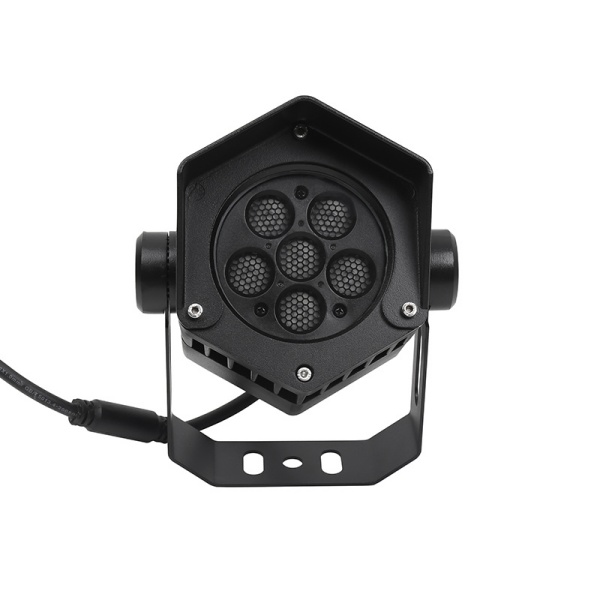
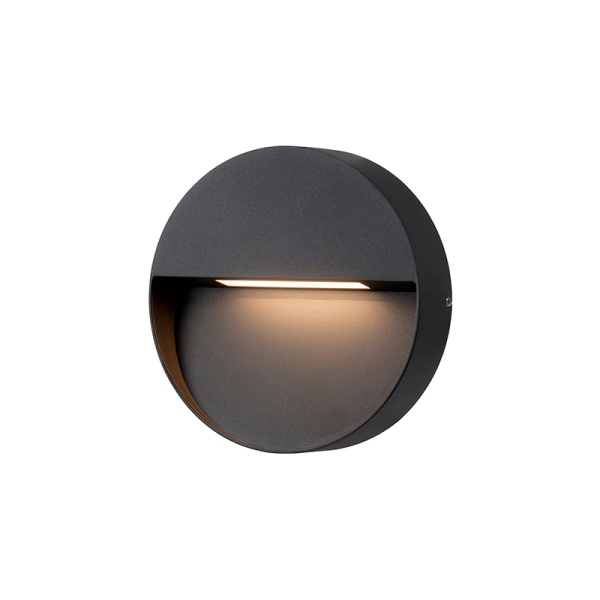
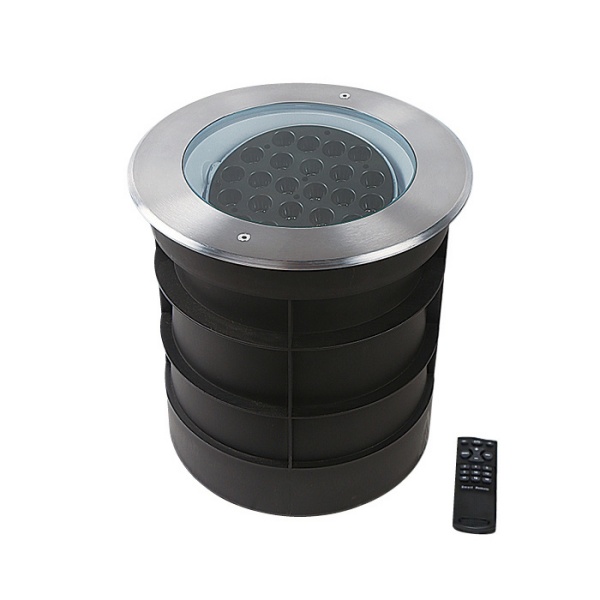
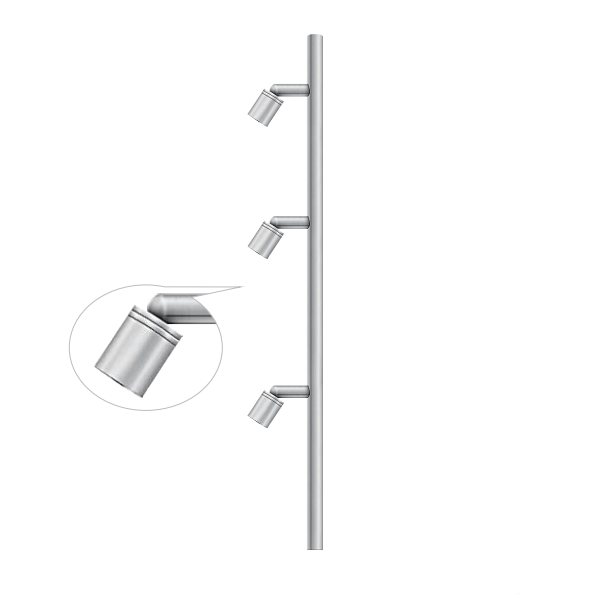
Always Lighting provides LED wall washers, LED linear lights, LED flood lights, landscape lights and RGB/RGBW DMX512 lighting solutions for architectural and heritage lighting projects.
LED Lighting Solutions for Temples & Historic Buildings
Historic architecture usually contains many decorative details and complex structures. A layered lighting approach can reveal these features without making the building appear overly bright.
1. LED Wall Washer for Temple Facades
LED wall washers are suitable for illuminating:
Temple walls
Stone facades
Columns
Entrance structures
Courtyard walls
Architectural details
Typical beam angles include:
10°–15° → Columns and architectural details
20°–30° → Medium facade surfaces
30°–45° → Large architectural areas
45°–60° → Broad wall surfaces
The final beam angle should be selected according to the facade height, mounting distance and desired lighting effect.
2. LED Linear Light for Historic Architecture
LED linear lights can highlight architectural contours while maintaining a clean visual appearance.
They can be installed along:
Roof edges
Eaves
Cornices
Windows
Walkways
Architectural contours
For historic buildings, linear fixtures should be integrated carefully to minimize their visual and physical impact on the original architecture.
3. LED Flood Light for Large Historic Structures
LED flood lights can be used to illuminate larger architectural structures.
Applications include:
Large temple facades
Historic walls
Towers
Pagodas
Courtyards
Monumental structures
Flood lights should be carefully aimed to avoid excessive brightness and glare.
Temple Lighting by Architectural Area
Temple Roof Lighting
Temple roofs often contain distinctive architectural details.
Lighting can emphasize:
Roof edges
Eaves
Decorative structures
Roof ridges
Architectural silhouettes
Narrow-beam fixtures or carefully positioned linear lighting can emphasize these features.
Temple Columns
Columns are ideal for narrow-beam LED wall washers.
A 10°–15° beam angle can be considered when the goal is to highlight individual columns or narrow architectural structures.
Temple Entrance
The entrance should have a clear visual hierarchy.
Recommended:
LED Wall Washer + Accent Lighting + Linear Lighting
The lighting should highlight the entrance without creating excessive glare for visitors.
Courtyard and Landscape
Historic temples often include courtyards, gardens and surrounding landscape.
LED landscape lighting can highlight:
Trees
Stone features
Pathways
Garden walls
Water features
Sculptures
This creates a gradual transition between the architecture and surrounding landscape.
Color Temperature for Temple & Historic Building Lighting
Color temperature is especially important for historic architecture.
2200K–2700K
Very warm and traditional.
Suitable for:
Traditional temples
Wooden architecture
Historic structures
Cultural landmarks
2700K–3000K
Warm and elegant.
Suitable for:
Stone temples
Heritage buildings
Historic museums
Traditional architecture
4000K
Neutral and modern.
Suitable for:
Modern cultural buildings
Contemporary heritage centers
Functional exterior areas
For many temples and historic buildings, 2700K–3000K is a good starting range.
Temple Facade Lighting Design
The goal of temple lighting should be to reveal the building's architectural character rather than simply increase brightness.
Consider:
Architectural Structure
Analyze:
Roof
Columns
Doors
Windows
Walls
Decorative details
Courtyards
Building Materials
Common materials include:
Wood
Stone
Brick
Concrete
Ceramic tiles
Metal
Different materials reflect light differently.
Lighting Hierarchy
Create different visual levels:
Main Architecture → Primary Lighting
Decorative Details → Accent Lighting
Landscape → Soft Background Lighting
This creates a more natural nighttime appearance.
Historic Building Lighting and Glare Control
Historic buildings are often located in urban areas, tourist destinations or residential communities.
Lighting should avoid creating excessive glare for:
Visitors
Pedestrians
Drivers
Nearby residents
Consider:
Beam angle
Fixture orientation
Mounting position
Optical shielding
Brightness
The goal is to highlight the architecture while maintaining visual comfort.
Heritage Building Lighting and Light Pollution
Historic and cultural buildings may be located in environmentally or culturally sensitive areas.
Avoid unnecessary illumination of:
Nearby residential buildings
Roads
Natural areas
The night sky
Use:
Controlled beam angles
Appropriate brightness
Dimming
Timed operation
Zone control
Always follow local heritage protection, environmental and lighting regulations.
RGBW Lighting for Temples and Historic Buildings
RGB/RGBW lighting can be used for selected cultural landmarks and special events.
Applications may include:
Cultural festivals
National holidays
Religious celebrations
City events
Anniversary events
Special ceremonies
For example:
Normal Operation → 2700K–3000K White
Festival → RGBW Dynamic Scene
Special Event → Customized Lighting Scene
For larger projects, DMX512 can synchronize RGBW fixtures across different architectural zones.
However, dynamic lighting should be used carefully to preserve the cultural character of historic architecture.
DMX512 Control for Historic Building Lighting
DMX512 can provide centralized control for RGB/RGBW architectural lighting.
It can control:
Brightness
Color
Color changing
Gradient effects
Lighting scenes
Multiple building zones
For example:
Zone 1 → Main Temple
Zone 2 → Entrance
Zone 3 → Courtyard
Zone 4 → Garden / Water Feature
This allows different lighting scenes to be created for normal evenings and special events.
IP Rating for Temple Exterior Lighting
Outdoor temple and historic building fixtures are exposed to rain, dust and humidity.
IP65
Suitable for many standard outdoor applications.
IP66
Provides increased protection against powerful water jets.
IP67
Provides protection against temporary immersion.
The appropriate IP rating should be selected according to the actual installation environment.
For coastal or humid historic sites, corrosion-resistant materials should also be considered.
Energy-Efficient Historic Building Lighting
Historic buildings and temples may operate exterior lighting for several hours each night.
LED lighting can improve energy efficiency through:
High-efficiency LED sources
Appropriate lumen output
Controlled beam angles
Dimming
Timed operation
Zone control
For example:
Evening → Full Architectural Lighting
Late Night → Reduced Brightness
After Required Hours → Accent / Security Lighting
The actual schedule should follow site management requirements and local regulations.
Recommended LED Lighting for Temples & Historic Buildings
| Architectural Area | Recommended Lighting |
|---|---|
| Main Facade | LED Wall Washer |
| Columns | Narrow Beam Wall Washer |
| Roofline | LED Linear Light |
| Entrance | Wall Washer + Accent Light |
| Courtyard | LED Landscape Light |
| Trees | LED Spike / Spotlight |
| Large Historic Wall | LED Flood Light |
| Traditional Architecture | 2200K–3000K |
| Modern Heritage Building | 3000K–4000K |
| Special Events | RGBW + DMX512 |
Temple & Historic Building Lighting Installation
Before installation, confirm:
Building height
Facade dimensions
Architectural materials
Mounting position
Mounting distance
Beam angle
Fixture spacing
Lumen output
Color temperature
IP rating
Power supply
Control system
Heritage protection requirements
Maintenance access
For historic buildings, a sample lighting installation is highly recommended before full installation.
Check:
Brightness
Uniformity
Glare
Architectural details
Light spill
Color temperature
Daytime fixture visibility
Protecting Historic Architecture During Lighting Installation
Historic buildings may have architectural or cultural preservation requirements.
Lighting installation should consider:
Minimizing drilling or structural damage
Concealing cables where appropriate
Using reversible mounting solutions where possible
Protecting historic materials
Avoiding excessive heat or light exposure
Maintaining the original appearance of the building
Any installation method should be reviewed according to the site's preservation requirements and applicable regulations.
Common Temple & Historic Building Lighting Mistakes
Excessive Brightness
Historic architecture usually looks better with controlled and layered lighting.
Wrong Color Temperature
Cool white lighting may not complement traditional materials such as wood, stone or brick.
Incorrect Beam Angle
The wrong beam angle can hide architectural details or create excessive light spill.
Too Many Dynamic Effects
RGB lighting should be used selectively for appropriate cultural events.
Ignoring Heritage Protection
Fixture installation should not unnecessarily damage historic structures.
Poor Glare Control
Visitors and nearby residents should not experience excessive glare.
Ignoring Daytime Appearance
Fixtures and cables should be integrated carefully so they do not negatively affect the building during the day.
Why Choose LED for Temple & Historic Building Lighting?
LED architectural lighting offers:
High energy efficiency
Long service life
Multiple beam angles
Multiple color temperatures
RGB/RGBW options
DMX512 control
Outdoor IP protection
Flexible installation
Low maintenance
These features make LED suitable for temples, historic buildings, heritage sites and cultural landmarks.
Temple & Historic Building Lighting Project Planning
For a professional lighting proposal, provide:
Building Information
Building height, facade dimensions and architectural style.
Historic Information
Building age, architectural characteristics and preservation requirements.
Facade Material
Wood, stone, brick, concrete, ceramic tile or metal.
Lighting Targets
Roof, columns, entrance, facade, courtyard and landscape.
Lighting Effect
Wall washing, accent lighting, linear outline lighting or RGBW effects.
Fixture Requirements
Power, lumens, beam angle, CCT and IP rating.
Control Requirements
ON/OFF, dimming, RGB, RGBW or DMX512.
This information helps determine the appropriate LED lighting solution.
Conclusion
Temple & Historic Building Lighting should enhance architectural beauty while respecting cultural heritage and the original character of the building.
A professional lighting system can combine:
LED Wall Washer + LED Linear Light + LED Flood Light + Landscape Light + RGBW
For traditional temples and historic buildings, 2200K–3000K can create a warm and authentic nighttime atmosphere.
For modern cultural or heritage buildings, 3000K–4000K can provide a cleaner appearance.
For special festivals and cultural events, RGBW + DMX512 can provide dynamic lighting scenes while maintaining appropriate control over brightness and color.
The final design should consider:
Architecture + Heritage Protection + Beam Angle + Mounting Distance + Lumens + CCT + Fixture Spacing + IP Rating + Glare Control + Light Pollution
Always Lighting provides LED architectural lighting solutions for temples, historic buildings, heritage sites and cultural landmarks, including LED wall washers, linear lights, flood lights, landscape lights and RGB/RGBW DMX512 lighting systems.
CTA
Planning a temple or historic building lighting project? Contact Always Lighting for LED wall washer, linear light and architectural lighting solutions tailored to your building architecture, heritage requirements and outdoor environment.
Related Blog
https://www.always-lighting.com/Blog/rgb-vs-rgbw-led-wall-washer-facade-lighting/