
- 25 Aug 2026
Museum & Cultural Building Lighting | LED Architectural Lighting
Museum & Cultural Building Lighting
Museums and cultural buildings are important architectural and cultural landmarks. Their lighting design should not only improve the nighttime appearance but also respect the character, materials and historical value of the building.
Professional museum and cultural building lighting can highlight architectural details, entrances, columns, facades and surrounding landscapes while creating a refined nighttime atmosphere.
LED architectural lighting provides flexible solutions for:
Museums
Art galleries
Cultural centers
Exhibition halls
Heritage buildings
Historic architecture
Libraries
Performing arts centers
Cultural landmarks
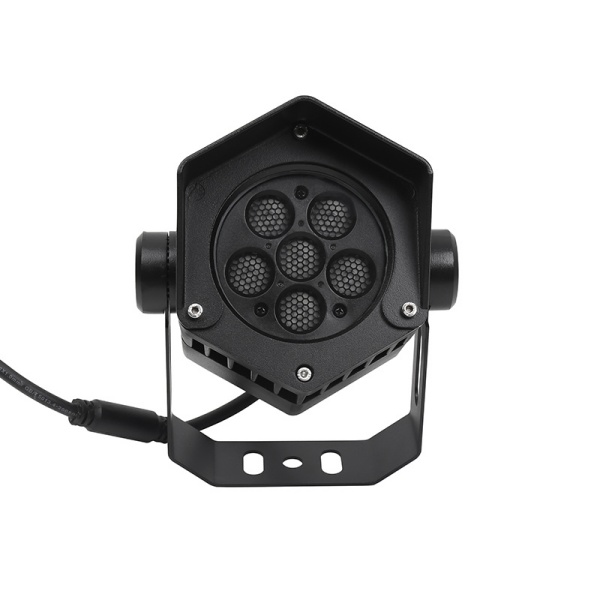
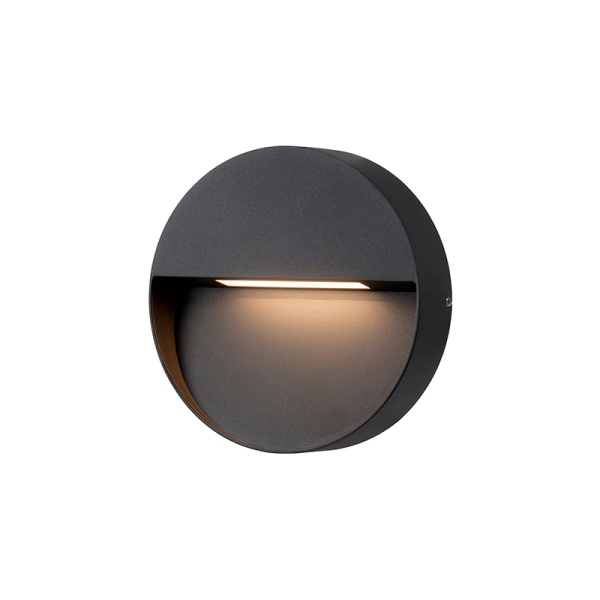
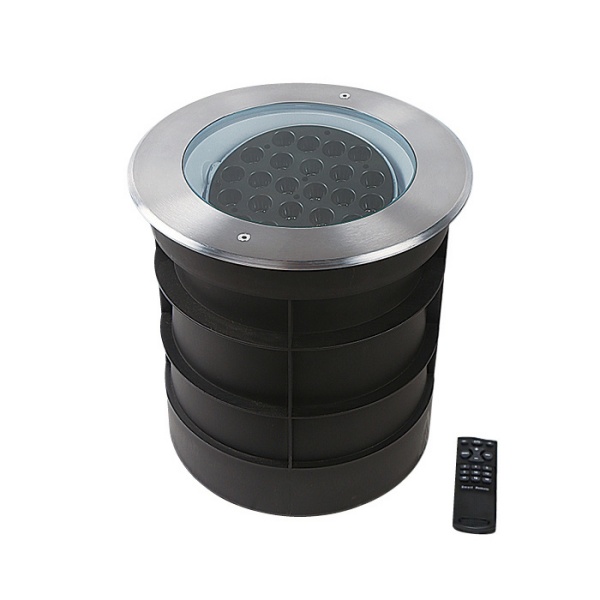
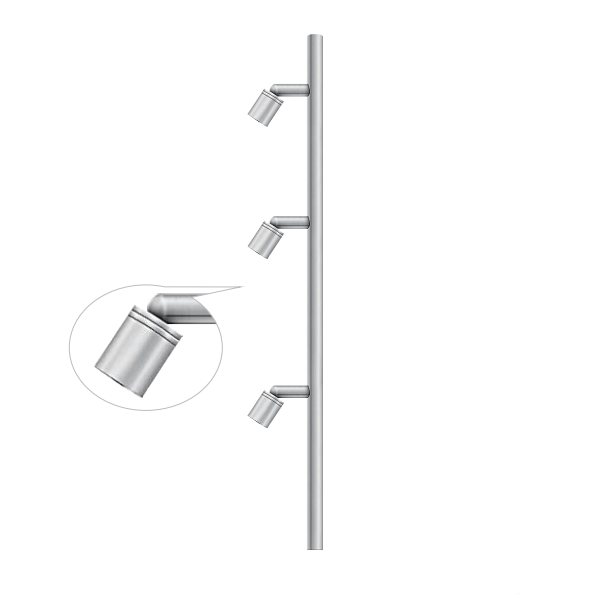
Always Lighting provides LED wall washers, LED linear lights, LED flood lights and RGB/RGBW lighting solutions for museum and cultural building facade lighting projects.
LED Lighting Solutions for Museums & Cultural Buildings
1. LED Wall Washer for Museum Facades
LED wall washers are suitable for illuminating large architectural surfaces while emphasizing the texture and details of the facade.
They can be used for:
Stone facades
Brick walls
Columns
Entrance structures
Architectural details
Exhibition building exteriors
For museums and historic buildings, careful beam angle selection is important to avoid excessive brightness and glare.
Typical starting points include:
10°–15° → Columns and architectural details
20°–30° → Medium facade areas
45°–60° → Broad architectural surfaces
The final beam angle should be confirmed according to the facade structure, mounting distance and photometric data.
2. LED Linear Lighting for Cultural Buildings
LED linear lights are ideal for highlighting architectural lines and contours.
They can be installed along:
Rooflines
Window frames
Cornices
Building edges
Canopies
Architectural contours
For modern museums and cultural centers, linear lighting can emphasize geometric architectural forms while maintaining a clean appearance.
For historic buildings, the fixture should be integrated carefully so that the lighting equipment does not visually interfere with the original architecture.
3. LED Flood Light for Large Cultural Buildings
LED flood lights can be used for larger architectural surfaces and structures.
Applications include:
Museum facades
Large cultural centers
Exhibition halls
Monumental structures
Courtyards
Outdoor cultural spaces
Flood lights should be carefully positioned and aimed to reduce glare and unnecessary light spill.
Color Temperature for Museum & Cultural Building Lighting
Color temperature is particularly important for museums and cultural buildings because it affects how architectural materials appear at night.
2700K
Creates a warm, traditional atmosphere.
Suitable for:
Historic buildings
Heritage architecture
Traditional museums
Brick and stone facades
3000K
Provides a warm and elegant appearance.
Suitable for:
Art museums
Cultural centers
Premium exhibition buildings
4000K
Creates a neutral and modern appearance.
Suitable for:
Modern museums
Contemporary art centers
Modern cultural buildings
For many traditional cultural buildings, 2700K–3000K can be a good starting range.
For modern museums, 3000K–4000K provides greater flexibility.
Museum Facade Lighting and Architectural Details
Museums often contain valuable architectural details that should be carefully emphasized.
LED wall washers can highlight:
Columns
Arches
Sculptures
Stone textures
Entrance portals
Decorative elements
Instead of illuminating every surface equally, a layered lighting approach can create a stronger visual hierarchy.
For example:
Main Facade → Soft Wall Washing
Columns → Narrow Beam Accent Lighting
Entrance → Higher Visual Focus
Roofline → Linear Lighting
This approach can make the architecture more visually interesting without excessive brightness.
Lighting Historic Museums and Heritage Buildings
Historic museums require special attention.
The lighting system should respect:
Original architectural details
Historic materials
Building proportions
Cultural significance
Surrounding environment
Warm white lighting around 2700K–3000K can complement materials such as:
Stone
Brick
Wood
Traditional masonry
The lighting should enhance the architecture rather than overpower it.
For heritage projects, fixture mounting positions should also be carefully considered to minimize visual and physical impact on the building.
Modern Museum Architectural Lighting
Modern museums often use:
Glass
Concrete
Aluminum
Steel
Large geometric structures
For these buildings, 3000K–4000K LED lighting can create a clean contemporary appearance.
LED linear lights are particularly useful for highlighting:
Geometric facade lines
Roof edges
Structural frames
Entrance canopies
For glass facades, glare and reflections should be carefully evaluated during the lighting design.
RGBW Lighting for Cultural Buildings
Some cultural landmarks require dynamic lighting for:
Festivals
Cultural celebrations
City events
Public exhibitions
Special ceremonies
Anniversaries
For these applications, RGBW LED wall washers can provide both white architectural lighting and dynamic color effects.
With DMX512 control, lighting scenes can be programmed according to different events.
For example:
Normal Operation → 3000K White
Cultural Festival → Dynamic Colors
Special Exhibition → Custom Lighting Scene
RGBW should generally be used selectively so that dynamic effects support the architecture rather than distract from it.
Museum Lighting and Glare Control
Glare is an important consideration around museums and cultural buildings.
Poorly positioned fixtures can affect:
Visitors
Pedestrians
Drivers
Nearby buildings
Exhibition areas
Consider:
Beam angle
Fixture orientation
Mounting height
Optical design
Brightness
Surrounding lighting
The goal is to illuminate the architecture while maintaining visual comfort.
Museum Exterior Lighting and Light Pollution
Museums and cultural buildings are often located in urban or historic districts.
Lighting should therefore minimize unnecessary light spill.
Consider:
Targeted beam angles
Appropriate lighting levels
Dimming
Timed operation
Controlled beam distribution
Avoid unnecessarily illuminating:
Nearby residential buildings
Roads
Natural areas
The night sky
Local regulations and project requirements should always be considered.
IP Rating for Museum Exterior Lighting
Outdoor museum and cultural building fixtures should be selected according to the installation environment.
IP65
Suitable for many standard outdoor applications.
IP66
Provides increased protection against powerful water jets.
IP67
Provides protection against temporary immersion under specified conditions.
For exposed outdoor locations, the appropriate IP rating should be determined according to local weather and installation conditions.
For coastal or humid environments, corrosion-resistant fixture construction should also be considered.
LED Wall Washer Beam Angle for Museum Facades
Beam angle should be selected according to the architectural element being illuminated.
| Beam Angle | Typical Application |
|---|---|
| 10°–15° | Columns / Details |
| 20°–30° | Medium Facades |
| 30°–45° | Large Architectural Surfaces |
| 45°–60° | Broad Facades |
The actual result depends on the fixture's optical design and installation distance.
For professional projects, use IES/LDT photometric files to simulate illuminance and uniformity before installation.
Museum Facade Lighting Installation
Before installing LED fixtures, consider:
Building height
Facade width
Architectural materials
Mounting position
Mounting distance
Beam angle
Fixture spacing
Lumen output
Color temperature
IP rating
Glare
Light spill
Maintenance access
For historic buildings, fixture installation should also minimize physical impact on the original structure.
A sample lighting test is recommended before completing a large project.
Recommended LED Lighting for Museums & Cultural Buildings
| Area | Recommended Lighting |
|---|---|
| Main Museum Facade | LED Wall Washer |
| Columns | Narrow Beam Wall Washer |
| Entrance | Wall Washer + Linear Light |
| Roofline | LED Linear Light |
| Architectural Details | Narrow Beam Accent Light |
| Large Facade | LED Flood Light |
| Historic Building | 2700K–3000K |
| Modern Museum | 3000K–4000K |
| Cultural Landmark | RGBW + DMX512 |
Common Museum Lighting Mistakes
Excessive Brightness
Museums generally benefit from controlled and refined lighting rather than extremely bright illumination.
Wrong Color Temperature
Cool white light may not complement traditional stone or brick architecture.
Poor Glare Control
Fixtures should be carefully positioned to protect visitor comfort.
Excessive Light Spill
Uncontrolled light can affect surrounding historic districts and residential areas.
Too Many Dynamic Effects
RGB lighting should be used selectively for appropriate events.
Ignoring Architectural Details
The purpose of facade lighting is to reveal the building's architecture, not simply make the entire building bright.
Why Choose LED for Museum & Cultural Building Lighting?
LED architectural lighting offers:
High energy efficiency
Long service life
Multiple beam angles
Multiple color temperatures
RGB/RGBW options
DMX512 control
Outdoor IP protection
Flexible installation
Low maintenance
This makes LED suitable for both modern museums and historic cultural buildings.
Museum & Cultural Building Lighting Project Planning
For an architectural lighting proposal, provide:
Building Type
Museum, cultural center, gallery, exhibition hall or heritage building.
Building Dimensions
Height, width and facade area.
Facade Material
Stone, brick, concrete, glass, metal or other materials.
Lighting Effect
Wall washing, accent lighting, linear outline lighting or dynamic RGBW effects.
Fixture Requirements
Power, lumens, beam angle, CCT and IP rating.
Control Requirements
ON/OFF, dimming, RGB, RGBW or DMX512.
This information helps determine the appropriate LED lighting solution.
Conclusion
Museum & Cultural Building Lighting should combine architectural aesthetics, visual comfort and careful control of light.
A professional system can combine:
LED Wall Washer + LED Linear Light + LED Flood Light + RGBW + DMX512
For historic museums and heritage buildings, 2700K–3000K can create a warm and elegant appearance that complements traditional materials.
For modern museums and cultural centers, 3000K–4000K can provide a clean and contemporary appearance.
For cultural landmarks, RGBW + DMX512 can provide flexible lighting scenes for festivals, exhibitions and special events.
The final design should consider:
Architecture + Facade Material + Beam Angle + Lumens + CCT + Fixture Spacing + IP Rating + Glare Control + Light Spill
Always Lighting provides LED architectural lighting solutions for museums, cultural centers, exhibition halls and historic buildings, including LED wall washers, linear lights, flood lights and RGB/RGBW DMX512 lighting systems.
CTA
Planning a museum or cultural building lighting project? Contact Always Lighting for LED facade lighting solutions tailored to your architecture, facade material and lighting requirements.