
- 28 Oct 2026
LED Trade Show Booth and Exhibition Display Lighting Solutions | Always Lighting
LED Trade Show Booth and Exhibition Display Lighting Solutions
LED trade show booth and exhibition display lighting helps exhibitors highlight products, attract visitors, improve product visibility and create a professional brand presentation. It is widely used in exhibition stands, trade show booths, product demonstration areas, glass display cabinets, promotional counters and temporary brand installations.
For exhibition contractors, booth designers, display cabinet manufacturers and brand owners, the right lighting solution depends on the products being displayed, booth layout, ambient lighting, installation space and required visual effect. LED showcase spotlights, linear lights and gantry lights can be combined to create focused illumination, more uniform lighting and attractive product displays.
Always Lighting provides LED display lighting options for commercial display applications, helping project teams select suitable fixtures for different display structures and product presentation requirements.
1. Where Is LED Trade Show Booth and Exhibition Display Lighting Used?
LED exhibition display lighting is suitable for different industries and booth designs. The lighting arrangement should match the product size, surface material, viewing distance and overall exhibition concept.
Trade Show Booths and Exhibition Stands
Trade show booths often compete for visitors' attention in large exhibition halls. Focused LED lighting can highlight key products, demonstration areas, brand displays and promotional features.
Typical applications include:
Product launch booths
Industrial equipment and technology exhibitions
Consumer electronics exhibitions
Retail and commercial trade fairs
International brand presentation stands
Glass Display Cabinets and Product Showcases
Glass display cabinets are commonly used to present jewelry, watches, cosmetics, electronic products, collectibles and premium merchandise. Compact LED spotlights can emphasize individual products, while linear lights can provide more consistent illumination across shelves.
Related solution: LED Showcase Spotlight
Brand Activation and Promotional Displays
Temporary promotional displays require flexible lighting arrangements that work with different product layouts. LED spotlights can create visual focal points, while linear lighting can illuminate logos, shelves, display niches and product backgrounds.
Museum, Collectible and Premium Product Exhibitions
For watches, jewelry, artwork, collectibles and other high-value items, lighting should reveal product details without creating distracting reflections or excessive brightness. Fixture positioning, beam direction and light distribution are especially important in glass-fronted displays.
Exhibition Counters and Demonstration Areas
LED lighting can improve visibility around product counters, interactive demonstrations and sample displays. Linear fixtures are useful for illuminating longer surfaces, while spotlights help direct attention to selected products or details.
2. Common Lighting Challenges in Exhibition Booth Projects
Exhibition lighting requires more than simply installing bright lights. The fixture selection and positioning should support the product presentation while working within the booth's structural and electrical limitations.
Uneven Lighting and Dark Areas
Poorly positioned fixtures may create bright spots, dark shelf corners or inconsistent illumination across a product display.
Recommended approach: Combine linear lighting for general display illumination with spotlights for selected products. Test the arrangement using the actual cabinet dimensions and product positions before final installation.
Reflections on Glass and Glossy Products
Glass cabinets, polished metal, watch faces, electronic screens and glossy packaging can reflect light sources. These reflections may obstruct product details or make the display uncomfortable to view.
Recommended approach: Adjust fixture angles and viewing positions, and consider beam distribution, shielding and the location of reflective surfaces. Test the lighting from the visitor's normal viewing angle.
Limited Installation Space
Exhibition booths often use compact display structures, modular shelves and custom-built counters. Large fixtures may not fit the design or may interfere with the products.
Recommended approach: Consider compact LED showcase spotlights, slim linear lights or suitable gantry lighting. Confirm fixture dimensions, mounting requirements, wiring space and maintenance access before production.
Inconsistent Color Appearance
When products are displayed under different light sources, their colors may appear inconsistent. This can be particularly important for cosmetics, jewelry, fashion accessories and branded merchandise.
Recommended approach: Check the color rendering requirements and color temperature of the selected fixtures. Where accurate color presentation is important, review the actual product's CRI specification and test samples under the intended lighting conditions.
Changing Booth Layouts and Short Installation Schedules
Modular exhibition stands may be assembled and dismantled frequently. Lighting systems must fit the booth structure and installation plan.
Recommended approach: Confirm the mounting method, cable routing, power supply arrangement and fixture positions during the design stage. For repeat-use displays, consider how fixtures can be accessed, replaced and repositioned.
3. Which LED Lights Are Suitable for Trade Show Booths?
Different LED fixture types serve different purposes. The best solution depends on whether the project needs focused product accents, continuous shelf illumination or lighting integrated into the booth structure.
LED Showcase Spotlights
LED showcase spotlights provide focused illumination for individual products, display niches and key promotional items.
They are suitable for:
Jewelry and watch displays
Cosmetics and perfume showcases
Electronics and technology products
Premium merchandise and collectibles
Feature products at exhibition booths
When selecting a spotlight, consider beam angle, output, mounting position, glare control and the distance between the fixture and the displayed product.
Explore: LED Showcase Spotlight
LED Cabinet Linear Lights
LED cabinet linear lights are designed for more continuous illumination along shelves, display cabinets and product counters. They can help reduce visible gaps between illuminated areas when correctly positioned and specified.
Typical applications include:
Multi-level display shelves
Long product counters
Glass display cabinets
Retail exhibition stands
Product demonstration tables
The appropriate length, output, installation position and light distribution should be confirmed against the display dimensions.
Explore: LED Cabinet Linear Light
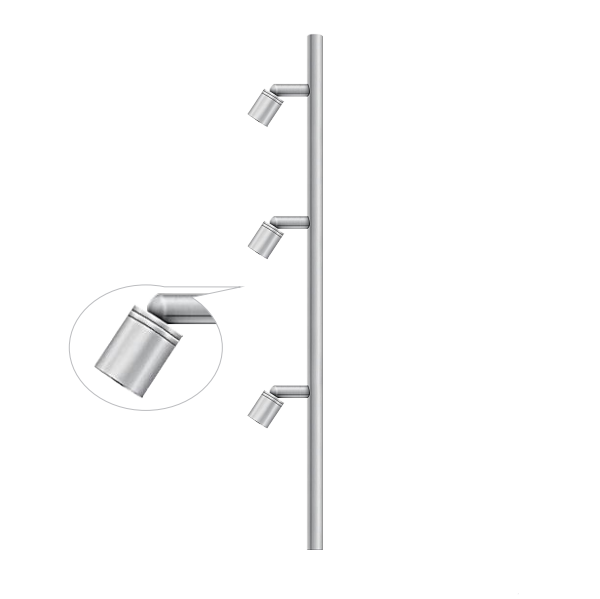
LED Showcase Gantry Lights
LED showcase gantry lights can be integrated into suitable display frames or overhead structures to illuminate products from above. They are useful when the cabinet or display design includes a compatible gantry or support structure.
Potential applications include:
Glass showcase displays
Jewelry and watch exhibition counters
Premium product presentation cabinets
Custom exhibition display furniture
Before choosing a gantry light, confirm the frame dimensions, mounting arrangement, electrical connection and required illumination area.
Explore: LED Showcase Gantry Light
Combining Spotlights and Linear Lighting
Many exhibition displays benefit from combining different fixture types rather than relying on a single lighting method.
For example, linear lights can provide general shelf illumination, while spotlights emphasize selected products. This layered arrangement can create a clearer visual hierarchy without requiring every displayed item to receive the same level of accent lighting.
The final arrangement should be tested to check for reflections, unwanted shadows, brightness differences and the overall appearance of the products.
4. How to Choose LED Exhibition Display Lighting
For exhibition contractors, booth designers and display cabinet manufacturers, the following factors can help guide fixture selection.
| Selection factor | What to check |
|---|---|
| Displayed products | Product size, color, material, surface finish and presentation priorities |
| Lighting effect | General illumination, focused accent lighting or a combination |
| Color rendering | CRI requirements and consistency between fixtures |
| Beam distribution | Beam angle, mounting distance, coverage and potential hotspots |
| Glare and reflections | Glass, mirrors, screens, polished metal and visitor viewing angles |
| Installation space | Fixture dimensions, mounting position, wiring and available clearance |
| Electrical requirements | Rated voltage, power supply compatibility and total connected load |
| Project schedule | Sample testing, installation access, maintenance and repeat-use requirements |
For a customized exhibition project, it is useful to prepare the cabinet drawings, display dimensions, product photos and expected lighting effect before selecting fixtures. These details help suppliers recommend more appropriate options.
5. LED Exhibition Lighting Solutions for Booth Designers and Display Manufacturers
Exhibition contractors and display cabinet manufacturers often need lighting fixtures that fit a specific structure rather than standard off-the-shelf arrangements.
A practical project workflow includes:
Step 1: Confirm the application. Identify the product categories, display cabinet types, booth dimensions and main viewing directions.
Step 2: Select suitable fixture types. Determine whether the project requires spotlights, linear lights, gantry lights or a combination of fixtures.
Step 3: Verify technical specifications. Confirm dimensions, rated voltage, power, color temperature, CRI, beam angle and other required parameters using the actual product datasheets.
Step 4: Test samples and positions. Evaluate product appearance, reflections, light distribution and installation compatibility before finalizing the design.
Step 5: Confirm installation and supply requirements. Check wiring, power supplies, mounting accessories, maintenance access and delivery schedules.
For exhibition projects with repeated booth designs, confirming the lighting specification early can also help maintain consistency across multiple displays or future installations.
6. LED Trade Show Booth Lighting from Always Lighting
Always Lighting offers LED lighting options for display cabinets, product showcases and commercial display applications. Depending on the project design, LED showcase spotlights, cabinet linear lights and showcase gantry lights can be considered for different exhibition booth and display cabinet configurations.
We work with buyers and project teams who need to evaluate lighting fixtures according to their display structure and application requirements.
When contacting Always Lighting about an exhibition project, please provide:
Booth or display cabinet drawings
Product categories and display photos
Required fixture dimensions and mounting method
Preferred color temperature and color rendering requirements
Power supply and electrical requirements
Estimated quantity and project timeline
These details help us review the application and identify suitable product options for further evaluation.
7. Frequently Asked Questions
What is the best LED lighting for a trade show booth?
The best lighting depends on the booth design and the products being displayed. LED showcase spotlights are useful for highlighting individual products, while LED cabinet linear lights can provide more continuous illumination across shelves and counters. Combining both types may suit displays that need general lighting and visual focal points.
How can I reduce reflections in exhibition display cabinets?
Adjust fixture positions and beam directions to avoid direct reflections toward the main viewing angle. Consider the location of glass panels, mirrors, glossy packaging and screens. Always test the arrangement with the actual display materials before final installation.
Are LED spotlights or linear lights better for exhibition displays?
Neither is universally better. Spotlights are generally used for focused accent lighting, while linear lights are suited to continuous shelf and cabinet illumination. The choice should be based on the product layout, cabinet dimensions and intended visual effect.
What color temperature should I choose for exhibition lighting?
The appropriate color temperature depends on the products, brand identity and desired appearance. Review the product materials and surrounding lighting, and test samples before confirming the specification. For products requiring accurate color presentation, also check the CRI specification.
What should exhibition contractors provide when requesting LED lighting?
Useful information includes booth drawings, cabinet dimensions, product photos, mounting details, electrical requirements, target lighting effects, quantities and delivery schedules. These details help suppliers assess compatibility and recommend appropriate fixtures.
Can the same LED display lighting be used for different exhibition projects?
Some fixtures may be reused when their dimensions, mounting methods, electrical requirements and lighting performance suit the new display. Confirm these factors before transferring fixtures between projects.
8. Request LED Exhibition Display Lighting Information
Planning a trade show booth, exhibition stand or custom product display cabinet?
Contact Always Lighting to discuss suitable LED showcase spotlights, cabinet linear lights and gantry lighting options for your project.
Share your display drawings, product requirements and estimated quantities so that the appropriate fixtures can be evaluated for your application.