
- 20 Aug 2026
Landscape Underwater Lighting Solutions | LED Landscape Water Lights
Landscape Underwater Lighting Solutions
Landscape water features can become one of the most attractive elements of an outdoor environment when they are properly illuminated at night.
Landscape underwater lighting is designed to illuminate ponds, waterfalls, fountains, streams, water walls and other outdoor water features from within or beneath the water.
With the right combination of LED underwater lights, beam angles, power, color and control, a simple landscape pond can become a strong nighttime visual feature.
Always Lighting provides Landscape Underwater Lighting Solutions for:
Landscape ponds
Koi ponds
Garden water features
Waterfalls
Fountains
Streams
Resort landscapes
Hotel gardens
Villa landscapes
Commercial landscapes
Architectural water features
Public landscape projects
Depending on the project, the lighting system can be configured with IP68 underwater lights, DC24V, RGB, RGBW and DMX512 control.
For fixed luminaires installed in water or in contact with water, IEC 60598-2-18:2022 provides specific requirements for applications including swimming pools, fountains and garden pools.
Professional LED Landscape Underwater Lighting
Landscape underwater lighting is different from ordinary outdoor lighting.
A successful water-feature lighting design needs to consider:
Water Feature Structure
↓
Water Depth
↓
Fixture Position
↓
Beam Angle
↓
Light Output
↓
Color Temperature
↓
Water Movement
↓
Power Distribution
↓
Control System
The goal is not simply to make the water brighter.
The goal is to make the water, rocks, plants, architecture and surrounding landscape work together visually.
LED Underwater Lights for Landscape Projects
LED underwater lights can be used in many types of landscape water features.
Typical applications include:
Garden ponds
Koi ponds
Decorative ponds
Landscape pools
Waterfalls
Cascades
Fountains
Streams
Water walls
Resort water features
Depending on the design, underwater fixtures can be positioned:
On the pond floor
Along the pond edge
Near waterfalls
Beside rocks
Around fountain nozzles
Along water channels
The fixture position should always be selected according to the desired visual effect and actual installation conditions.
Landscape Pond Underwater Lighting
Landscape ponds are one of the most common applications for underwater lighting.
A properly designed pond lighting system can highlight:
Water movement
Rocks
Plants
Fish
Pond edges
Architectural features
For a natural landscape, warm white lighting can create a soft and relaxing appearance.
For modern commercial landscapes, RGB or RGBW lighting can create a more dynamic visual effect.
LED Underwater Lights for Koi Ponds
Koi ponds require careful consideration of the water environment and viewing angle.
Underwater lights can be used to illuminate:
Fish
Rocks
Pond plants
Water movement
Decorative structures
However, lighting should not be unnecessarily bright.
The objective should be to create enough illumination for visual effect without making the pond look unnatural.
Warm white or neutral white can be suitable for natural landscape designs.
Landscape Waterfall Lighting
Waterfalls create constantly moving surfaces, making them especially interesting for underwater lighting.
Lights can be positioned:
At the Bottom
Aiming upward can illuminate falling water from below.
Along the Side
Side lighting can highlight rocks and water movement.
Near the Edge
This can emphasize a continuous water curtain.
The appropriate beam angle depends on:
Waterfall height
Waterfall width
Fixture distance
Water flow
Desired lighting effect
For waterfall applications, beam angle and fixture position should be considered together.
Landscape Fountain Lighting
Landscape fountains can use underwater lights to highlight:
Water jets
Fountain nozzles
Water movement
Fountain basins
Architectural structures
For simple garden fountains, white LED lighting may be sufficient.
For resort and commercial fountains, RGB/RGBW + DMX512 can create dynamic effects.
This allows lighting scenes to change according to:
Time
Events
Music
Holidays
Special occasions
Underwater Lighting for Garden Water Features
Garden water features often combine water with natural materials.
For example:
Stone
Wood
Plants
Rocks
Bridges
Garden walls
Underwater lighting can be used to create subtle illumination without overpowering the landscape.
For residential gardens and villas, warm white lighting is often a good starting point.
For larger hospitality projects, RGBW can provide greater flexibility.
IP68 Landscape Underwater Lights
Outdoor landscape water features can expose fixtures to:
Continuous immersion
Water splash
Moisture
Dirt
Temperature changes
Outdoor environmental conditions
For permanently submerged applications, appropriately specified IP68 underwater lights are commonly considered.
However, IP68 does not by itself define a universal installation depth.
The product manufacturer's specified test conditions and maximum installation conditions should always be checked.
The complete system should also consider:
Cable entry
Waterproof cable
Connectors
Sealing
Installation depth
Maintenance access
IEC 60598-2-18:2022 specifies requirements for fixed luminaires intended for use in water or in contact with water, including fountains and garden pools.
DC24V Landscape Underwater Lighting Solutions
DC24V underwater lights can be used for many landscape water-feature projects when the fixture is designed for DC24V.
One important advantage of a DC24V system is that it can simplify the low-voltage power architecture for suitable landscape installations.
For example:
10 × 12W underwater lights
Total load:
120W
At 24V:
120W ÷ 24V = 5A
For larger installations, the designer should consider:
Total power
Cable length
Current
Voltage drop
Number of circuits
Power supply location
Long DC24V cable runs can require careful cable sizing and circuit planning.
How to Reduce Voltage Drop in Landscape Underwater Lighting?
Voltage drop becomes increasingly important when multiple DC24V fixtures are installed far from the power supply.
For example, a large resort pond may contain:
30 × 15W = 450W
At DC24V:
450W ÷ 24V = 18.75A
Instead of connecting all fixtures through one long circuit, the system can be divided into several zones.
Zone A
10 lights
Zone B
10 lights
Zone C
10 lights
This can help with:
Power distribution
Voltage-drop management
Maintenance
Circuit protection
Lighting control
Actual cable size and circuit design should be calculated based on cable length, current, installation conditions and applicable electrical requirements.
RGB Landscape Underwater Lighting
RGB underwater lights can transform a landscape water feature with dynamic color.
RGB can produce:
Red
Green
Blue
Cyan
Purple
Mixed colors
RGB is suitable for:
Resort landscapes
Commercial plazas
Entertainment areas
Events
Architectural water features
For a landscape project that requires changing colors, RGB can provide a more dynamic appearance than fixed white lighting.
RGBW Landscape Underwater Lighting
RGBW adds a dedicated white channel to RGB.
This provides greater flexibility.
For example:
Normal Landscape Mode
Warm white
Evening Mode
Neutral white
Event Mode
RGB color changing
This makes RGBW especially useful for hotels, resorts and commercial landscape projects where the same water feature may need different lighting scenes.
DMX512 Landscape Underwater Lighting
For large landscape water features, DMX512 can provide centralized control of compatible RGB/RGBW fixtures.
A DMX512 system can control:
Color
Brightness
Lighting zones
Color transitions
Dynamic scenes
Timing sequences
For example:
Pond Zone 1 → Blue
Waterfall Zone 2 → Purple
Fountain Zone 3 → Cyan
The three zones can operate independently or as one coordinated lighting scene.
This is particularly useful for:
Resort landscapes
Hotel gardens
Large public landscapes
Commercial developments
Musical fountains
Architectural water features
Choosing the Right Beam Angle for Landscape Underwater Lights
Beam angle directly affects how the water feature looks.
Narrow Beam
Useful for:
Rocks
Small waterfalls
Individual water streams
Sculptures
Architectural details
Medium Beam
Useful for:
Medium ponds
Waterfalls
Landscape features
Medium water walls
Wide Beam
Useful for:
Large water surfaces
Broad water walls
Large landscape ponds
The correct beam angle should be selected according to:
Fixture Distance + Target Size + Water Depth + Desired Lighting Effect
A higher wattage fixture cannot compensate for an unsuitable beam angle.
Warm White Landscape Underwater Lighting
Warm white is commonly used for natural landscape environments.
Typical applications include:
Garden ponds
Koi ponds
Villas
Hotels
Resorts
Natural stone waterfalls
A warm white underwater light can complement:
Trees
Rocks
Wood
Plants
Natural stone
For projects aiming for a calm and premium atmosphere, warm white can be an effective choice.
Neutral White Landscape Underwater Lighting
Neutral white can provide a cleaner and more contemporary appearance.
For example:
4000K
can work well with:
Modern architecture
Commercial landscapes
Contemporary hotels
Office developments
Modern villas
The color temperature should ideally be coordinated with the surrounding outdoor lighting.
Stainless Steel Underwater Lights for Landscape Projects
Underwater fixtures may be exposed to water and environmental conditions for long periods.
Housing material is therefore an important consideration.
Stainless steel underwater lights can provide:
Robust mechanical construction
Corrosion resistance appropriate to the selected grade and environment
A clean appearance
Suitability for many water-feature applications
For demanding environments, the appropriate stainless-steel grade should be selected based on:
Fresh water
Salt exposure
Chlorine
Water chemistry
Outdoor environment
The housing should be evaluated together with the lens, sealing system and cable construction.
Landscape Underwater Lighting Design Process
A professional project can follow these steps.
Step 1: Understand the Water Feature
Collect:
Length
Width
Depth
Water flow
Waterfall height
Fountain nozzle positions
Step 2: Understand the Landscape
Consider:
Trees
Plants
Rocks
Architecture
Walking paths
Viewing positions
Step 3: Select Fixture Positions
Determine where underwater lights should be installed.
Step 4: Select Beam Angles
Match the optics to the target area.
Step 5: Select Color
Choose:
Warm white
Neutral white
RGB
RGBW
Step 6: Select Control
Choose:
ON/OFF
Remote control
DMX512
Step 7: Design Power Distribution
Calculate:
Fixture Quantity × Wattage = Total Load
Then evaluate cable length and voltage drop.
Step 8: Nighttime Testing
Check:
Brightness
Beam coverage
Glare
Color
Uniformity
Water reflections
Landscape Underwater Lighting for Hotels and Resorts
Hotels and resorts often have multiple outdoor water features.
A complete landscape lighting system may combine:
Pond Lighting
Waterfall Lighting
Fountain Lighting
Swimming Pool Lighting
Garden Lighting
Facade Lighting
Using compatible lighting products and control systems can help create a consistent nighttime design.
For example, RGBW underwater lights can provide white illumination during normal operation and color-changing effects during events.
Landscape Underwater Lighting for Villas
Villa projects usually focus on atmosphere and integration with the garden.
Underwater lights can be used for:
Private ponds
Swimming pools
Garden waterfalls
Small fountains
Decorative water features
Warm white lighting can provide a natural appearance.
RGBW can be considered when homeowners want flexible color-changing effects.
Landscape Underwater Lighting for Commercial Projects
Commercial landscape projects can include:
Shopping malls
Office parks
Mixed-use developments
Public plazas
Business hotels
Residential communities
These projects often require:
Consistent illumination
Reliable power distribution
Centralized control
Easy maintenance
Project-based customization
A complete underwater lighting plan should therefore be developed together with the landscape and electrical design.
Common Landscape Underwater Lighting Mistakes
1. Choosing Lights Only by Wattage
The highest wattage does not always produce the best result.
2. Ignoring Beam Angle
Incorrect optics can create bright and dark areas.
3. Installing Lights Where They Are Clearly Visible
This can create glare.
4. Ignoring Cable Length
Long DC24V cable runs require careful voltage-drop planning.
5. Using Excessive Color
RGB lighting should support the landscape design rather than overpower it.
6. Ignoring Water Conditions
Freshwater, saltwater and chemically treated water may require different material considerations.
7. No Nighttime Testing
The actual effect should be checked from the main viewing positions.
Landscape Water Feature Lighting Applications
Always Lighting's landscape underwater lighting solutions can be used for:
Landscape Ponds
Highlight water surfaces, rocks and plants.
Koi Ponds
Illuminate fish, rocks and decorative pond features.
Waterfalls
Highlight moving water and natural stone.
Fountains
Illuminate water jets and fountain structures.
Water Walls
Create continuous architectural lighting effects.
Garden Water Features
Provide subtle nighttime landscape illumination.
Resort Landscapes
Create premium outdoor environments.
Hotel Gardens
Coordinate water features with architectural lighting.
Villa Landscapes
Create comfortable and decorative private outdoor spaces.
Always Lighting Landscape Underwater Lighting Solutions
Always Lighting provides LED lighting solutions for architectural and landscape projects.
Our Landscape Underwater Lighting Solutions can include:
IP68 LED underwater lights
DC24V underwater lights
RGB underwater lights
RGBW underwater lights
DMX512-compatible underwater lights
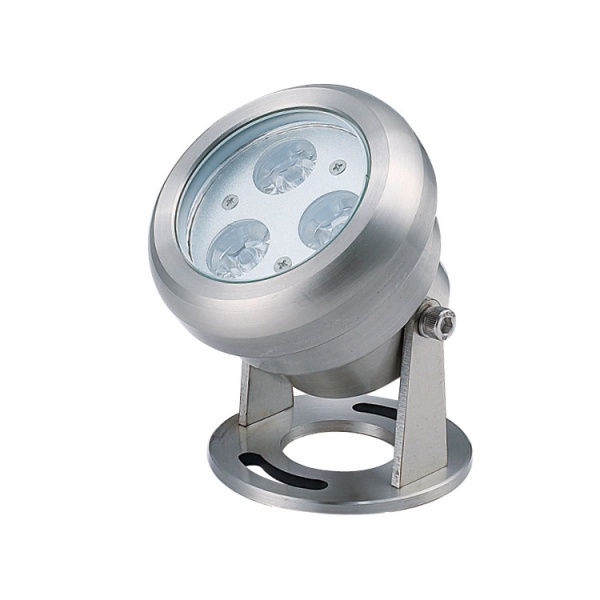
Stainless steel underwater lights
Different beam angles
Different wattages
Custom cable lengths
Project-based lighting configurations
We can support customers in selecting suitable underwater lighting based on the actual project conditions.
Looking for a Landscape Underwater Lighting Solution?
Send us:
Project drawings + water feature dimensions + water depth + photos + desired color + beam angle + control requirements.
Our team can help evaluate a suitable LED landscape underwater lighting configuration for your project.
FAQ
What is landscape underwater lighting?
Landscape underwater lighting uses specially designed underwater LED fixtures to illuminate ponds, waterfalls, fountains, streams, pools and other outdoor water features.
What type of light is best for landscape ponds?
Warm white is often suitable for natural landscape ponds, while RGB or RGBW can be used when dynamic color-changing effects are required.
Are IP68 lights suitable for landscape ponds?
IP68-rated underwater fixtures are commonly considered for submerged applications, but the manufacturer's specified test conditions, installation depth and complete installation requirements should always be checked.
Can DC24V be used for landscape underwater lighting?
Yes, when the underwater fixture is designed for DC24V. For larger systems, cable length, total current and voltage drop should be considered.
Can RGB underwater lights be used in landscape projects?
Yes. RGB underwater lights are suitable for dynamic landscape water features, resorts, commercial landscapes and event applications.
What is the advantage of RGBW underwater lighting?
RGBW combines color-changing RGB channels with a dedicated white channel, providing greater flexibility for both normal white illumination and special-event color effects.
Can DMX512 control landscape underwater lights?
Yes, compatible RGB/RGBW underwater lights can be connected to a DMX512 control system for centralized color, brightness and scene control.
How do I choose the beam angle?
Consider the distance between the fixture and the target, water depth, target size and desired visual effect. Narrow beams are suitable for focused features, while wider beams provide broader coverage.
What information is needed for a landscape underwater lighting quotation?
Provide project drawings, water feature dimensions, water depth, photos, desired color, beam angle, quantity if known, cable length and control requirements.
Related product
https://www.always-lighting.com/led-underwater-light/led-underwater-light/
https://www.always-lighting.com/led-underwater-light/dc24v-underwater-light/
https://www.always-lighting.com/led-underwater-light/ip68-submersible-led-light/
https://www.always-lighting.com/led-underwater-light/stainless-steel-underwater-light/