
- 25 Aug 2026
High-Rise Building Facade Lighting | LED Architectural Lighting
High-Rise Building Facade Lighting
High-rise buildings are prominent elements of modern city skylines. Professional high-rise building facade lighting can highlight the vertical structure, architectural lines and distinctive features of tall buildings while creating a recognizable nighttime appearance.
LED architectural lighting provides flexible solutions for:
High-rise office buildings
Commercial towers
Residential towers
Hotels
Mixed-use buildings
Corporate headquarters
Landmark skyscrapers
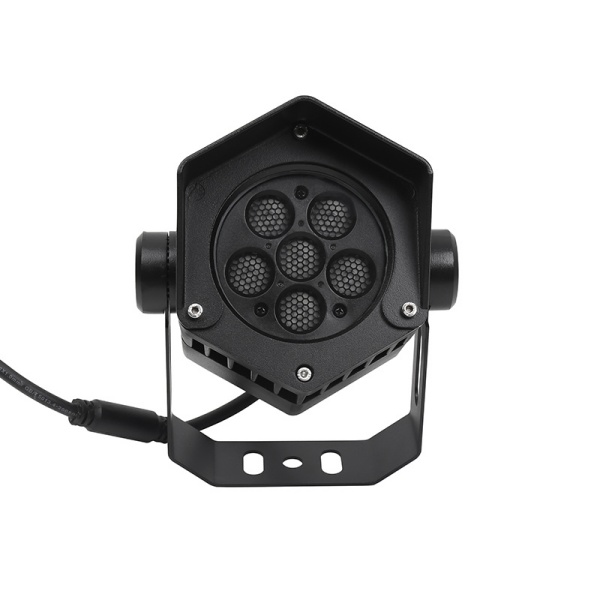
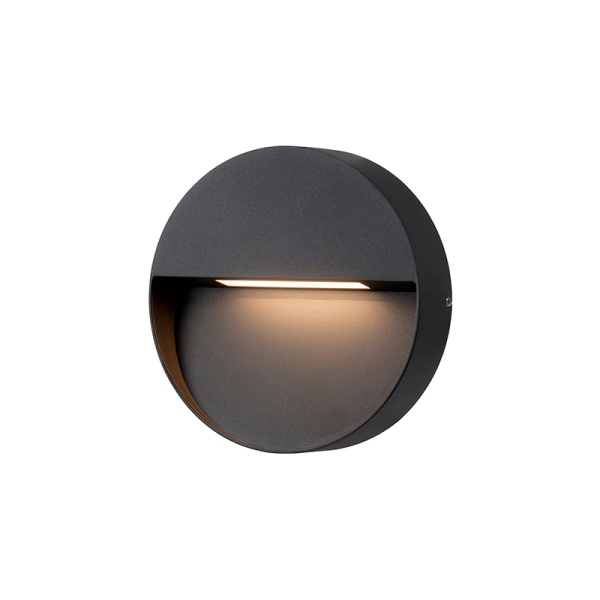
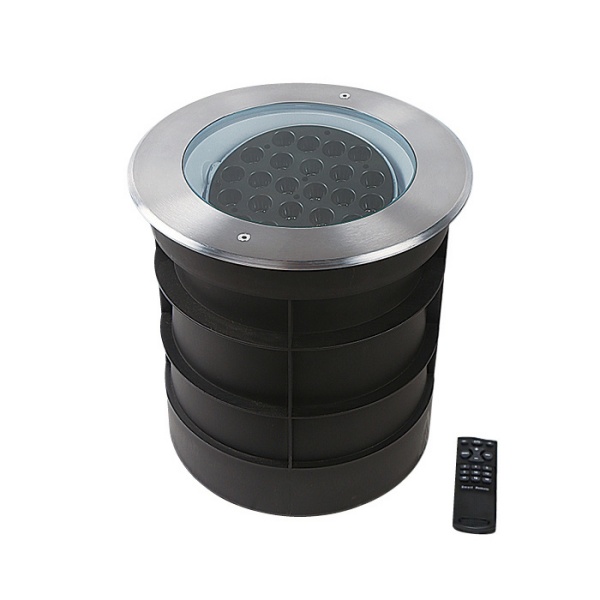
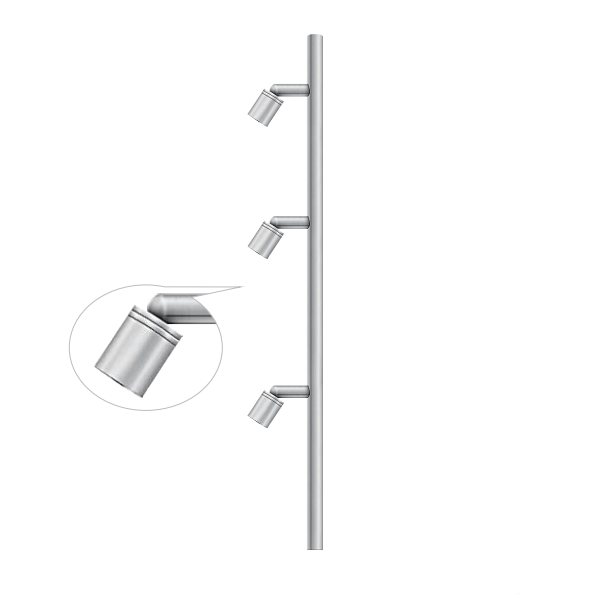
Always Lighting provides LED wall washers, LED linear lights, LED flood lights and RGB/RGBW DMX512 lighting solutions for high-rise building facade lighting projects.
LED Lighting Solutions for High-Rise Facades
High-rise buildings usually contain large facade areas and complex architectural structures. A combination of different LED lighting technologies can create a balanced result.
1. LED Wall Washer for High-Rise Buildings
LED wall washers can illuminate vertical facade surfaces and emphasize the architectural structure of a high-rise building.
Applications include:
Vertical facade walls
Columns
Building podiums
Entrance structures
Stone facades
Architectural details
For tall buildings, beam angle and installation distance are particularly important.
Typical starting points:
10°–15° → Narrow columns and architectural details
20°–30° → Medium vertical structures
30°–45° → Larger facade surfaces
45°–60° → Broad facade areas
The final beam angle should be selected according to building height, mounting distance and photometric data.
2. LED Linear Light for High-Rise Facades
LED linear lighting is ideal for emphasizing the vertical and horizontal lines of high-rise architecture.
It can be installed along:
Building edges
Window frames
Curtain wall structures
Rooflines
Vertical columns
Architectural contours
For skyscrapers with strong vertical geometry, linear lighting can visually emphasize the height of the building.
For buildings with curved facades, customized linear lighting may be considered.
3. LED Flood Light for Large High-Rise Structures
LED flood lights can be used to illuminate large architectural elements.
Applications include:
Large facade surfaces
Building podiums
Architectural crowns
Entrance structures
Large columns
Surrounding structures
Flood lights should be carefully aimed to minimize glare and unwanted light spill.
High-Rise Building Facade Lighting by Building Type
High-Rise Office Building
Recommended:
4000K wall washers
LED linear lights
Controlled beam angles
Low-glare optics
This can create a clean and professional corporate appearance.
Luxury Hotel Tower
Recommended:
2700K–3000K
LED wall washers
Linear lighting
Architectural accent lighting
Warm lighting can create a premium nighttime atmosphere.
Mixed-Use High-Rise Building
A combination of:
Wall Washer + Linear Light + Flood Light
can create different lighting layers for commercial, residential and public areas.
Landmark Skyscraper
Recommended:
RGBW + DMX512
for dynamic facade lighting and special events.
Color Temperature for High-Rise Facade Lighting
Color temperature should be selected according to the building's architecture and function.
2700K–3000K
Warm and elegant.
Suitable for:
Luxury hotels
Premium residential buildings
High-end commercial architecture
4000K
Clean and modern.
Suitable for:
Office towers
Business centers
Modern commercial buildings
RGB/RGBW
Suitable for:
Landmark skyscrapers
City icons
Special events
Dynamic architectural lighting
For many modern high-rise buildings, 3000K–4000K is a practical starting range.
How to Choose Beam Angle for High-Rise Buildings?
Beam angle is one of the most important factors in high-rise facade lighting.
A narrow beam may be suitable for highlighting specific architectural details, while wider optics can illuminate larger facade surfaces.
| Beam Angle | Typical Application |
|---|---|
| 10°–15° | Columns / Vertical Details |
| 20°–30° | Medium Facade Structures |
| 30°–45° | Large Architectural Areas |
| 45°–60° | Broad Facade Surfaces |
However, beam angle should never be selected based on the angle alone.
Consider:
Mounting Distance + Building Height + Target Width + Fixture Optics
For high-rise projects, IES/LDT photometric data and lighting simulation are recommended.
High-Rise Building Lighting and Fixture Spacing
Incorrect fixture spacing can create uneven illumination.
Common problems include:
Dark areas
Hot spots
Vertical brightness variations
Uneven facade appearance
Before final installation, calculate fixture spacing according to:
Beam angle
Mounting distance
Lumen output
Facade material
Desired uniformity
For large projects, a lighting simulation can help optimize the number and position of fixtures.
High-Rise Facade Lighting Installation
High-rise lighting requires more careful installation planning than low-rise buildings.
Consider:
Installation height
Mounting brackets
Wind exposure
Cable routing
Waterproofing
Power supply
Voltage drop
Maintenance access
Safety procedures
Fixtures installed at high elevations should be securely mounted and designed for the environmental conditions of the project.
Maintenance access should be considered during the initial lighting design.
IP Rating for High-Rise Exterior Lighting
High-rise facade fixtures are exposed to rain, wind and changing weather conditions.
Common IP ratings include:
IP65
Suitable for many outdoor applications.
IP66
Provides increased protection against powerful water jets.
IP67
Provides protection against temporary immersion under specified conditions.
The appropriate IP rating should be selected according to the fixture position and local environment.
For coastal high-rise buildings, corrosion-resistant construction is particularly important.
RGBW and DMX512 for High-Rise Buildings
For landmark skyscrapers, dynamic lighting can create a strong visual identity.
RGBW LED wall washers + DMX512 can control:
Brightness
Color
Color changing
Gradient effects
Lighting scenes
Different facade zones
For example:
Zone 1 → Lower Facade
Zone 2 → Middle Facade
Zone 3 → Upper Facade
Zone 4 → Building Crown
This allows different parts of a high-rise building to display coordinated lighting effects.
High-Rise Building Lighting and Glare Control
High-rise buildings are usually located in dense urban environments.
Poorly controlled lighting may affect:
Drivers
Pedestrians
Nearby buildings
Residential apartments
Office workers
Glare can be controlled through:
Appropriate beam angles
Fixture orientation
Optical shielding
Correct mounting positions
Dimming
Controlled brightness
The lighting should emphasize the building without unnecessarily disturbing the surrounding environment.
High-Rise Facade Lighting and Light Pollution
Because high-rise buildings are highly visible, unnecessary light spill can have a significant impact.
A professional design should avoid excessive illumination of:
Nearby residential buildings
Roads
Public spaces
Natural areas
The night sky
Use:
Targeted optics
Appropriate brightness
Dimming
Timed operation
Zone control
Always consider applicable local regulations and project requirements.
Energy-Efficient High-Rise Building Lighting
Facade lighting for tall buildings may operate for many hours each night.
LED technology can help reduce operating energy through:
High-efficiency LEDs
Appropriate lumen output
Controlled beam angles
Dimming
Scheduled operation
Zone control
For example:
Evening → Full Architectural Lighting
Late Night → Reduced Brightness
After Required Hours → Accent Lighting Only
The actual schedule should be determined according to building management requirements and local regulations.
Recommended LED Lighting for High-Rise Buildings
| Building Area | Recommended Lighting |
|---|---|
| Main Facade | LED Wall Washer |
| Vertical Columns | Narrow Beam Wall Washer |
| Window Frames | LED Linear Light |
| Roofline | LED Linear Light |
| Building Crown | LED Flood / Linear Light |
| Podium | Wall Washer + Flood Light |
| Hotel Tower | 2700K–3000K |
| Office Tower | 3000K–4000K |
| Landmark Skyscraper | RGBW + DMX512 |
Common High-Rise Facade Lighting Mistakes
Using Excessive Brightness
A brighter facade does not always create a better architectural effect.
Choosing the Wrong Beam Angle
Incorrect optics can cause hot spots or poor coverage.
Ignoring Wind and Mounting Conditions
Fixtures installed at height require secure mounting and appropriate structural consideration.
Poor Fixture Spacing
Uneven spacing can create visible dark areas.
Ignoring Glass Reflections
Glass curtain walls can create strong reflections and glare.
Forgetting Maintenance
High-rise fixtures may be difficult and expensive to access after installation.
Ignoring Surrounding Buildings
Facade lighting should consider nearby residential and commercial buildings.
High-Rise Building Facade Lighting Project Planning
Before selecting LED fixtures, provide:
Building height
Facade width
Building architectural design
Facade material
Fixture mounting position
Mounting distance
Required beam angle
Required lumen output
Color temperature
IP rating
RGB/RGBW requirement
DMX512 control requirement
Maintenance access
This information helps determine the appropriate LED wall washer, linear light and flood light configuration.
Why Choose LED for High-Rise Building Facade Lighting?
LED architectural lighting offers:
High energy efficiency
Long service life
Multiple beam angles
Multiple color temperatures
RGB/RGBW options
DMX512 control
Outdoor IP protection
Flexible installation
Low maintenance
These features make LED suitable for office towers, hotels, commercial skyscrapers and landmark high-rise buildings.
Conclusion
High-Rise Building Facade Lighting can transform a tall building into a recognizable nighttime landmark while emphasizing its architectural structure.
A professional system can combine:
LED Wall Washer + LED Linear Light + LED Flood Light + RGBW + DMX512
For office towers, 3000K–4000K can create a clean and professional appearance.
For hotels and premium residential towers, 2700K–3000K can provide a warmer and more elegant atmosphere.
For landmark skyscrapers, RGBW + DMX512 can create dynamic color-changing and gradient effects for festivals, celebrations and special events.
The final lighting design should consider:
Building Height + Mounting Distance + Beam Angle + Lumens + CCT + Fixture Spacing + IP Rating + Glare Control + Light Pollution + Maintenance
Always Lighting provides LED facade lighting solutions for high-rise buildings, office towers, hotels, commercial skyscrapers and landmark architecture, including LED wall washers, linear lights, flood lights and RGB/RGBW DMX512 lighting systems.
CTA
Planning a high-rise building facade lighting project? Contact Always Lighting for LED wall washer, linear light and RGBW lighting solutions based on your building height, facade design and installation requirements.