Bridge Architectural Lighting | LED Bridge Lighting Solutions
Bridge Architectural Lighting
Bridges are important architectural structures and city landmarks. Professional bridge architectural lighting can transform a bridge from a functional transportation structure into an attractive nighttime landmark.
A well-designed LED bridge lighting system can highlight:
Bridge columns
Arches
Beams
Cables
Railings
Deck structures
Architectural details
LED technology provides flexible solutions for highway bridges, pedestrian bridges, landmark bridges and urban architectural projects.
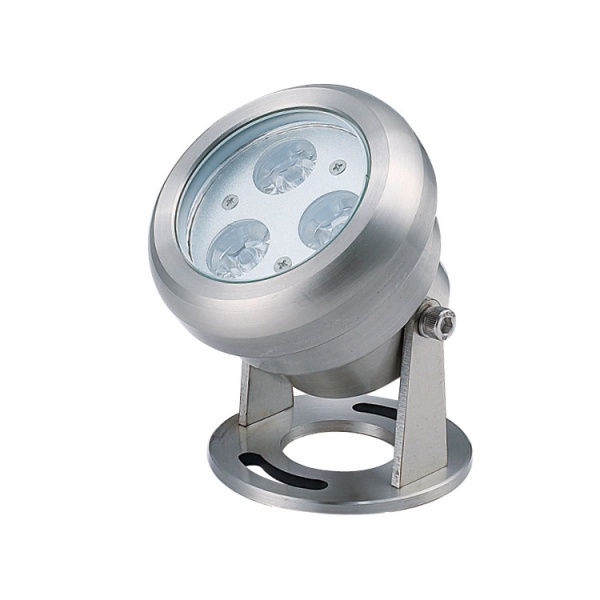
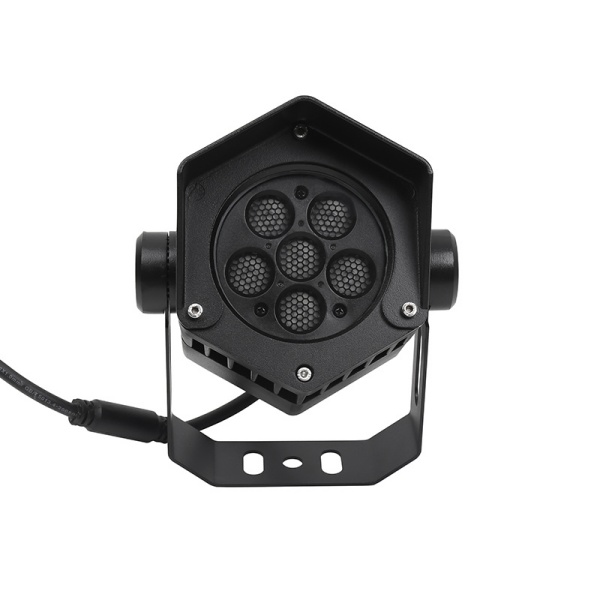
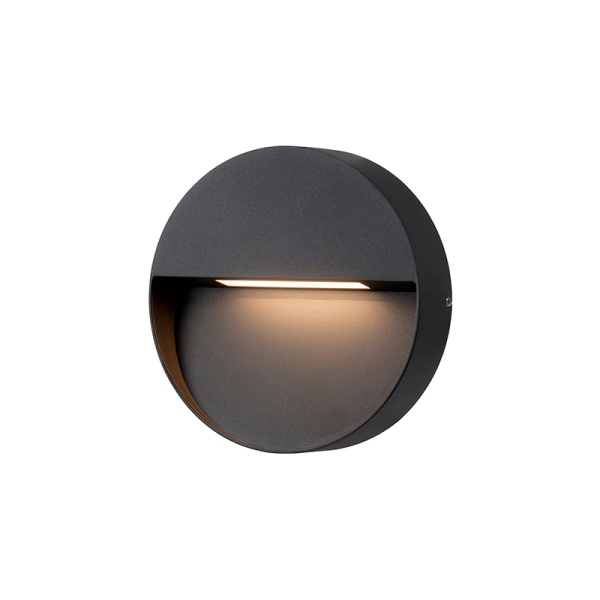
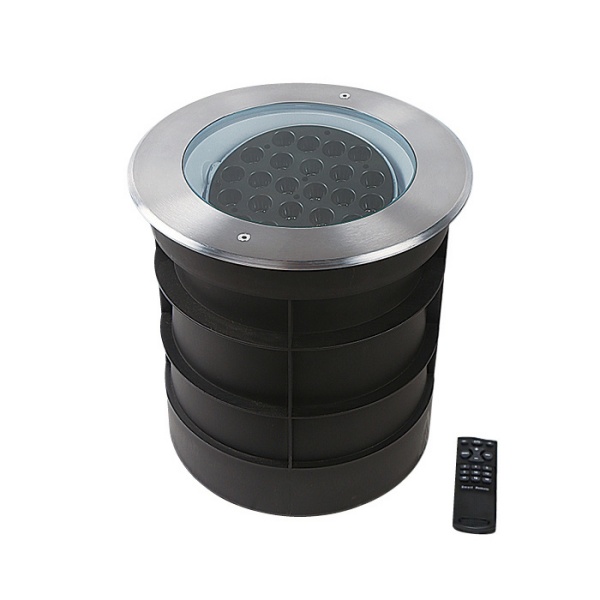
Always Lighting provides LED wall washers, LED linear lights, LED flood lights and RGB/RGBW DMX512 lighting solutions for bridge architectural lighting projects.
LED Lighting Solutions for Bridges
Different bridge structures require different lighting techniques.
1. LED Wall Washer for Bridge Lighting
LED wall washers can illuminate vertical bridge structures and architectural surfaces.
They are suitable for:
Bridge columns
Concrete structures
Bridge piers
Side walls
Arches
Large architectural surfaces
Different beam angles can be selected according to the structure and installation distance.
For example:
10°–15° → Narrow bridge structures and columns
20°–30° → Medium architectural surfaces
45°–60° → Broad bridge structures
The final beam angle should be selected according to the actual photometric distribution and project requirements.
2. LED Linear Light for Bridge Structures
LED linear lights are particularly useful for highlighting long architectural lines.
They can be installed along:
Bridge edges
Handrails
Arches
Beams
Cables
Bridge decks
Structural contours
Linear lighting can emphasize the geometry of a bridge and create a clean visual outline.
For bridges with curved structures, flexible or customized linear lighting solutions may be considered.
3. LED Flood Light for Large Bridge Structures
LED flood lights can provide powerful illumination for large bridge components.
They can be used for:
Large bridge piers
Arches
Structural elements
Bridge entrances
Surrounding areas
Flood lights should be carefully aimed to reduce glare and unwanted light spill.
RGB and RGBW Bridge Architectural Lighting
For landmark bridges, static white lighting may not be enough.
RGB/RGBW LED lighting can create dynamic architectural effects for:
Festivals
National celebrations
City events
Holidays
Special ceremonies
Brand or city promotions
With DMX512 control, multiple lighting fixtures can be synchronized.
For example:
Normal Night → 3000K / 4000K White
Festival → Dynamic RGB
Special Event → Custom Color Scene
City Celebration → RGBW Gradient Effect
This makes RGBW particularly useful for landmark bridges.
RGB vs RGBW for Bridge Lighting
RGB LED Bridge Lighting
RGB fixtures are mainly designed for dynamic color-changing effects.
Suitable for:
Decorative bridge lighting
Festivals
Dynamic color scenes
Entertainment projects
RGBW LED Bridge Lighting
RGBW adds a dedicated white LED channel.
It can provide:
Better white-light flexibility
Dynamic color effects
More natural white lighting
Multiple lighting scenes
For bridges that require both daily white lighting and special-event color effects, RGBW is generally a more flexible option.
How to Choose Color Temperature for Bridge Lighting?
Color temperature affects the visual appearance of the bridge.
2700K–3000K
Creates a warm and elegant appearance.
Suitable for:
Historic bridges
Pedestrian bridges
Landmark architectural projects
4000K
Provides a neutral and modern appearance.
Suitable for:
Modern bridges
Urban infrastructure
Commercial areas
RGB/RGBW
Suitable for:
Landmark bridges
City icons
Dynamic lighting projects
For many modern bridge projects, 3000K–4000K can provide a balanced architectural appearance.
Bridge Lighting Beam Angle Selection
Beam angle should be selected according to the bridge structure.
Narrow Beam: 10°–15°
Suitable for:
Columns
Narrow beams
Cables
Architectural details
Medium Beam: 20°–30°
Suitable for:
Bridge piers
Medium-size structures
Vertical surfaces
Wide Beam: 45°–60°
Suitable for:
Large structural surfaces
Broad walls
Large bridge components
The ideal beam angle depends on the distance between the fixture and the structure.
For professional projects, IES/LDT photometric files should be used for lighting simulation.
Bridge Lighting Installation
Bridge lighting has different requirements from ordinary building facade lighting.
The design should consider:
Installation location
Mounting distance
Beam angle
Fixture spacing
Wind load
Vibration
Drainage
Cable routing
Maintenance access
IP rating
For fixtures installed in exposed areas, appropriate waterproof and corrosion-resistant construction should be selected.
IP Rating for Bridge Architectural Lighting
Bridge lighting fixtures are often exposed to:
Rain
Dust
Humidity
Water spray
Temperature changes
Depending on the installation environment, outdoor LED fixtures with IP65, IP66 or IP67 protection can be considered.
For areas exposed to direct water or temporary immersion, the required IP protection should be confirmed according to the project conditions.
For bridge projects near rivers, lakes or coastal areas, corrosion resistance is also an important consideration.
DC24V vs AC220V for Bridge Lighting
The power supply should be selected according to:
Fixture type
Installation location
Cable length
Voltage drop
Electrical design
Project safety requirements
For some low-voltage architectural lighting systems, DC24V can be a suitable option, particularly for LED linear lights and certain wall washer systems.
For long-distance bridge installations, however, voltage drop must be carefully calculated.
The final power supply design should be confirmed by the electrical engineer based on the project layout.
DMX512 Bridge Lighting Control
Large landmark bridges often require centralized lighting control.
DMX512 can control:
RGB
RGBW
Brightness
Color
Dynamic effects
Gradient effects
Lighting scenes
Multiple bridge zones
For example:
Zone 1 → Bridge Arch
Zone 2 → Bridge Columns
Zone 3 → Bridge Deck
Zone 4 → Bridge Side Structure
This allows different parts of the bridge to operate independently or synchronously.
Bridge Lighting and Glare Control
Glare is an important issue in bridge architectural lighting.
Poorly positioned fixtures can affect:
Drivers
Pedestrians
Nearby buildings
Boats
Surrounding roads
Fixtures should therefore be carefully positioned and aimed.
Consider:
Mounting height
Beam angle
Fixture orientation
Optical shielding
Brightness
Nearby traffic
The objective is to illuminate the bridge without creating unnecessary visual disturbance.
Bridge Lighting and Light Pollution
Architectural bridge lighting should also consider the surrounding environment.
Avoid unnecessary illumination of:
Water surfaces
Nearby residential areas
Roads
Natural habitats
Use appropriate:
Beam angles
Lighting levels
Timers
Dimming
Lighting schedules
For bridges in environmentally sensitive areas, the lighting design should follow local requirements and project-specific environmental guidelines.
Bridge Architectural Lighting Design Process
A professional bridge lighting project can follow these steps:
Step 1 — Analyze the Bridge
Identify:
Bridge length
Height
Width
Structural type
Architectural features
Step 2 — Identify Lighting Targets
Determine whether the project will illuminate:
Columns
Arches
Cables
Beams
Railings
Deck
Step 3 — Select LED Fixtures
Choose:
Wall washer
Linear light
Flood light
RGB/RGBW fixture
Step 4 — Select Beam Angle
Match the beam angle with the target structure and mounting distance.
Step 5 — Determine Fixture Spacing
Use photometric data to estimate fixture quantity and spacing.
Step 6 — Design Control System
Select:
ON/OFF
Dimming
RGB
RGBW
DMX512
Step 7 — Conduct Lighting Simulation
Use IES/LDT data with professional lighting software.
Step 8 — Perform a Sample Installation
Test several fixtures before completing the full project.
Recommended LED Lighting for Different Bridge Structures
Bridge Structure
Recommended Lighting
Bridge Columns
LED Wall Washer
Bridge Piers
Wall Washer / Flood Light
Bridge Arch
Linear Light / Wall Washer
Bridge Cables
Linear / Point Lighting
Bridge Edge
LED Linear Light
Large Structural Surface
LED Flood Light
Landmark Bridge
RGBW + DMX512
Pedestrian Bridge
Linear + Wall Washer
Bridge Architectural Lighting Project Planning
Before selecting the lighting fixtures, provide:
Bridge length
Bridge height
Structural material
Lighting target
Fixture mounting position
Mounting distance
Required beam angle
Desired color temperature
RGB/RGBW requirement
DMX512 control requirement
IP rating requirement
Local environmental conditions
This information helps determine the appropriate LED wall washer, linear light and flood light configuration.
Common Bridge Lighting Mistakes
Using Excessive Brightness
The brightest fixture is not always the best solution.
Incorrect Beam Angle
A narrow beam may create hot spots, while an excessively wide beam may cause unnecessary light spill.
Ignoring Fixture Spacing
Poor spacing can create uneven illumination.
Ignoring Glare
Fixtures must be positioned carefully to avoid affecting drivers and pedestrians.
Poor Cable Protection
Outdoor bridge installations require careful cable routing and protection.
Ignoring Maintenance
Fixtures should be positioned so that future maintenance is practical.
Using Too Many Dynamic Effects
RGB lighting should support the architecture rather than overwhelm it.
Why Choose LED for Bridge Architectural Lighting?
LED technology provides:
High energy efficiency
Long service life
Multiple beam angles
Multiple color temperatures
RGB/RGBW options
DMX512 control
Outdoor IP protection
Flexible installation
Low maintenance requirements
This makes LED suitable for both functional bridge lighting and landmark architectural projects.
Conclusion
Bridge Architectural Lighting can transform bridges into distinctive nighttime landmarks while highlighting their architectural structures.
A professional bridge lighting system can combine:
LED Wall Washer + LED Linear Light + LED Flood Light + RGBW + DMX512
to illuminate bridge columns, arches, beams, cables and other structural elements.
For static architectural lighting, 3000K–4000K can provide a clean and attractive appearance.
For landmark bridges, RGBW LED lighting with DMX512 control can create dynamic color-changing and gradient effects for festivals, city celebrations and special events.
The final bridge lighting design should consider:
Structure + Beam Angle + Mounting Distance + Fixture Spacing + Lumens + CCT + IP Rating + Glare Control + Control System
Always Lighting provides LED bridge architectural lighting solutions, including LED wall washers, linear lights, flood lights and RGB/RGBW DMX512 systems for bridges, pedestrian bridges, landmark structures and urban architectural lighting projects.
CTA
Planning a bridge architectural lighting project? Contact Always Lighting for LED wall washer, linear light and RGBW lighting solutions based on your bridge structure, installation conditions and lighting requirements.