Airport Facade Lighting | LED Terminal & Exterior Lighting Solutions
Airport Facade Lighting
Airports are important transportation hubs and often serve as the first visual impression of a city or region.
Professional airport facade lighting can highlight terminal architecture, entrances, structural elements and building contours while creating a modern and professional nighttime appearance.
LED architectural lighting provides flexible solutions for:
Airport terminals
Airport entrance buildings
Passenger terminals
Airport business centers
Airport parking structures
Airport transportation hubs
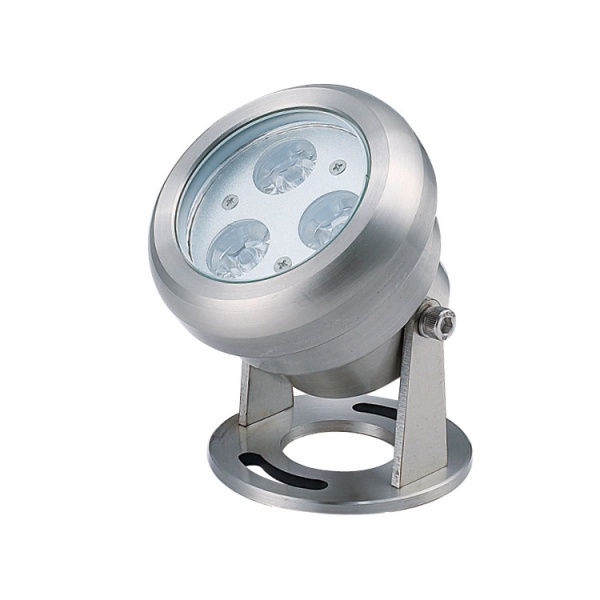
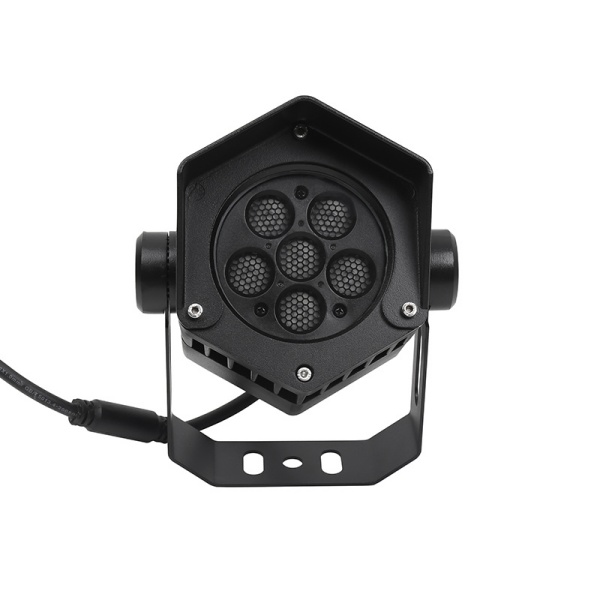
Always Lighting provides LED wall washers, LED linear lights, LED flood lights and RGB/RGBW DMX512 lighting solutions for airport architectural and facade lighting projects.
LED Lighting Solutions for Airport Facades
Airport buildings often have large facades and complex architectural structures. Different lighting technologies can be combined to achieve a balanced result.
1. LED Wall Washer for Airport Facades
LED wall washers can provide uniform illumination for large vertical surfaces.
They are suitable for:
Terminal facades
Entrance walls
Columns
Concrete structures
Stone surfaces
Architectural features
Typical beam angle applications include:
10°–15° → Columns and narrow architectural details
20°–30° → Medium facade areas
30°–45° → Large architectural surfaces
45°–60° → Broad facade areas
The final beam angle should be selected based on mounting distance, facade height and photometric data.
2. LED Linear Light for Airport Architecture
Many modern airport terminals use long horizontal and curved architectural structures.
LED linear lights can highlight:
Rooflines
Terminal edges
Canopies
Window frames
Structural contours
Entrance structures
Linear lighting can create a clean architectural outline while emphasizing the scale and geometry of the terminal.
For curved terminal structures, customized linear lighting solutions may be considered.
3. LED Flood Light for Airport Buildings
LED flood lights can be used for large architectural surfaces and supporting structures.
Applications include:
Large terminal facades
Airport entrance structures
Parking buildings
Large columns
Architectural landmarks
Flood lights should be carefully aimed to control glare and unwanted light spill.
Airport Terminal Entrance Lighting
The terminal entrance is one of the most important areas in airport facade lighting.
Lighting can highlight:
Main entrance
Canopy
Passenger drop-off area
Columns
Building signage
Architectural details
A combination of LED wall washers + LED linear lights can create a clear visual hierarchy.
The lighting design should maintain good visibility while avoiding excessive glare for passengers and drivers.
Airport Facade Lighting Color Temperature
Color temperature has a significant influence on the appearance of airport architecture.
3000K
Warm and welcoming.
Suitable for:
Premium terminal areas
Airport hotels
VIP entrances
Hospitality-oriented areas
4000K
Neutral and professional.
Suitable for:
Modern airport terminals
Main facades
Passenger areas
Transportation buildings
For many airport facade projects, 3000K–4000K provides a balanced architectural appearance.
RGB/RGBW
Suitable for selected landmark areas and special events.
RGBW Airport Facade Lighting
Some airports use dynamic architectural lighting to strengthen their visual identity during special occasions.
RGBW LED lighting can be used for:
National holidays
City celebrations
Airport anniversaries
Festivals
Special events
Landmark terminal facades
With DMX512 control, lighting scenes can be programmed and synchronized.
For example:
Normal Operation → 4000K White
Festival → Dynamic RGBW
Special Event → Custom Lighting Scene
Dynamic lighting should be carefully controlled around airport environments to avoid distracting passengers, drivers or aircraft operations.
Beam Angle Selection for Airport Facade Lighting
Beam angle should be selected according to the architecture and mounting position.
Beam Angle
Typical Application
10°–15°
Columns / Architectural Details
20°–30°
Medium Facade Areas
30°–45°
Large Architectural Surfaces
45°–60°
Broad Facade Areas
For large airport projects, IES/LDT photometric files can be used for lighting simulation.
This can help determine:
Fixture quantity
Fixture spacing
Illuminance
Uniformity
Beam coverage
Airport Facade Lighting and Glare Control
Glare control is particularly important for airport projects.
Airport lighting is often located near:
Vehicle roads
Passenger drop-off zones
Parking areas
Pedestrian routes
Terminal entrances
Poorly aimed fixtures may create discomfort for drivers and passengers.
Consider:
Beam angle
Fixture orientation
Mounting height
Optical shielding
Brightness
Installation position
The facade should be illuminated without unnecessary glare or light spill.
Airport Lighting and Light Spill
Airport environments require careful control of exterior lighting.
Lighting should be directed toward the intended architectural surfaces rather than unnecessarily illuminating:
Roads
Nearby buildings
Passenger areas
Surrounding properties
The sky
For airport projects, the lighting design must also comply with applicable airport operational, safety and local regulatory requirements.
Important: Architectural facade lighting should never interfere with required aviation lighting, signage, navigation systems or other airport safety systems. Final designs should be reviewed and approved by the responsible airport engineering and safety teams.
IP Rating for Airport Exterior Lighting
Airport facade lighting fixtures are exposed to outdoor weather conditions.
Common IP options include:
IP65
Suitable for many standard outdoor applications.
IP66
Provides increased protection against powerful water jets.
IP67
Provides protection against temporary immersion under specified conditions.
The appropriate IP rating should be selected according to the installation environment and fixture location.
For airports in coastal or humid regions, corrosion-resistant construction should also be considered.
Energy-Efficient Airport Facade Lighting
Airports operate for long periods, making energy efficiency an important consideration.
LED facade lighting can improve energy efficiency through:
High-efficiency LEDs
Appropriate lumen output
Controlled beam angles
Dimming
Scheduled operation
Zone control
For example:
Evening → Full Architectural Lighting
Late Night → Reduced Brightness
Low Traffic Period → Accent Lighting
The actual operating schedule should follow airport operating requirements and applicable regulations.
DMX512 Control for Airport Architectural Lighting
For airport terminals that require dynamic facade lighting, DMX512 can provide centralized control.
It can control:
Brightness
Color
RGB
RGBW
Color changing
Gradient effects
Lighting scenes
Multiple facade zones
For example:
Zone 1 → Main Terminal
Zone 2 → Entrance
Zone 3 → Roofline
Zone 4 → Landmark Architectural Structure
For operational safety, architectural lighting control should be appropriately separated from critical airport safety and aviation systems.
Airport Facade Lighting Installation
Before installation, confirm:
Terminal height
Facade width
Facade material
Mounting position
Mounting distance
Beam angle
Fixture spacing
Lumen output
Color temperature
IP rating
Power supply
Control system
Maintenance access
For large airport projects, a sample installation and nighttime lighting test are recommended.
Evaluate:
Brightness
Uniformity
Beam coverage
Glare
Reflections
Color temperature
Light spill
Recommended LED Lighting for Airport Buildings
Airport Area
Recommended Lighting
Terminal Facade
LED Wall Washer
Main Entrance
Wall Washer + Linear Light
Terminal Roofline
LED Linear Light
Columns
Narrow Beam Wall Washer
Large Structures
LED Flood Light
Architectural Details
Accent Lighting
Modern Terminal
3000K–4000K
Landmark Terminal
RGBW + DMX512
Common Airport Facade Lighting Mistakes
Excessive Brightness
Airport architecture does not need to be illuminated at maximum brightness.
Poor Glare Control
Glare can affect drivers, passengers and airport operations.
Incorrect Beam Angle
A wrong beam angle can cause hot spots or excessive light spill.
Uneven Fixture Spacing
Poor spacing can create dark areas across large terminal facades.
Ignoring Glass Reflections
Modern terminals often use large glass curtain walls, which can create strong reflections.
Poor Maintenance Planning
Fixtures should be installed where future maintenance can be safely performed.
Ignoring Airport Regulations
Facade lighting must be coordinated with airport operational and safety requirements.
Why Choose LED for Airport Facade Lighting?
LED architectural lighting offers:
High energy efficiency
Long service life
Multiple beam angles
Multiple CCT options
RGB/RGBW capability
DMX512 control
Outdoor IP protection
Flexible installation
Low maintenance
These features make LED suitable for modern airport terminal facade lighting projects.
Airport Facade Lighting Project Planning
For a professional airport lighting proposal, provide:
Airport Information
Terminal type, building height and facade dimensions.
Architectural Information
Facade material, architectural style and main structural elements.
Lighting Requirements
Wall washing, linear outline lighting, accent lighting or RGBW effects.
Fixture Requirements
Power, lumens, beam angle, CCT and IP rating.
Control Requirements
ON/OFF, dimming, RGB, RGBW or DMX512.
This information helps determine the appropriate LED architectural lighting solution.
Conclusion
Airport Facade Lighting can enhance the architectural identity of airport terminals while creating a modern and professional nighttime appearance.
A complete system can combine:
LED Wall Washer + LED Linear Light + LED Flood Light + RGBW + DMX512
For everyday terminal facade lighting, 3000K–4000K can provide a clean and professional appearance.
For premium airport entrances and hospitality areas, 3000K can create a warmer atmosphere.
For landmark terminals, RGBW + DMX512 can provide dynamic lighting scenes for festivals, anniversaries and special events, subject to airport operational and safety requirements.
Always Lighting provides LED architectural lighting solutions for airport terminals, airport entrances and transportation buildings, including LED wall washers, linear lights, flood lights and RGB/RGBW DMX512 lighting systems.
CTA
Planning an airport facade lighting project? Contact Always Lighting for LED wall washer, linear light and architectural lighting solutions tailored to your terminal architecture, installation conditions and project requirements.